January 2019 in “Cell & developmental biology” 3D cultivation and prenatal stem cell exosomes improve stem cell treatment results, especially for hair loss and age-related issues.
 11 citations
,
March 2020 in “Cellular Signalling”
11 citations
,
March 2020 in “Cellular Signalling” XIST RNA helps regenerate hair follicles by targeting miR-424 and activating hedgehog signaling.
 12 citations
,
April 2022 in “Journal of Bioscience and Bioengineering”
12 citations
,
April 2022 in “Journal of Bioscience and Bioengineering” Activating the PI3K/Akt pathway improves hair growth by human dermal papilla cells in hair beads.
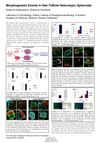
Researchers developed a method to create artificial hair follicles that may help with hair loss treatment and research.
15 citations
,
March 2021 in “Journal of Nanobiotechnology” A new method was developed to grow and maintain human hair follicle stem cells for hair reconstruction.
1 citations
,
August 2025 in “Frontiers in Bioengineering and Biotechnology” A 3D skin model helps study wound healing better than traditional methods.
February 2025 in “bioRxiv (Cold Spring Harbor Laboratory)” Cell detachment, not autoantibody binding, causes major changes in pemphigus.
17 citations
,
April 2022 in “Bioactive Materials” Continuous microfluidic processes can help scale up microtissue production for industrial and clinical use.
 53 citations
,
January 2009 in “Journal of Investigative Dermatology”
53 citations
,
January 2009 in “Journal of Investigative Dermatology” UVB radiation harms hair growth and health, causing cell death and other changes in human hair follicles.
125 citations
,
March 2017 in “Micromachines” Microfluidic technology improves cell spheroid creation for better drug testing and tissue engineering.
 44 citations
,
June 2018 in “Journal of Cellular Physiology”
44 citations
,
June 2018 in “Journal of Cellular Physiology” Researchers developed a 3D model of human hair follicle cells that can help understand hair growth and test new hair loss treatments.
5 citations
,
November 2024 in “Cells” Fish cell spheroids are a promising tool for replicating real-life conditions in research.
2 citations
,
February 2025 in “Advanced Healthcare Materials” Perhexiline can effectively target ovarian cancer cells left after treatment.
 September 2022 in “Institutional Repositories DataBase (IRDB)”
 3D-oxy exosomes may significantly boost hair growth, offering new treatment options for hair loss.
A new 3D breast tumor model helps test drug effects more accurately than traditional methods.
 April 2026 in “Biomedical Materials”
 Gold nanoparticle-phytochemical combinations work better against melanoma in 3D models than separate components.
 223 citations
,
October 2020 in “Microsystems & Nanoengineering”
223 citations
,
October 2020 in “Microsystems & Nanoengineering” Microtechnology methods improve organoid production for medical research.
January 2022 in “Yokohama National University Repository (Yokohama National University)” Exosomes from dermal papilla cells may help treat hair loss by promoting hair growth.
35 citations
,
February 2024 in “Science Advances” Magnetic fields help create complex 3D soft structures for biomedical use.
110 citations
,
August 2011 in “Journal of Visualized Experiments” 3D skin models better mimic human skin and melanoma progression than older methods.
15 citations
,
June 2021 in “Journal of Genetic Engineering and Biotechnology” Biomaterials can improve non-viral gene delivery by enhancing DNA uptake and reducing toxicity.
 3 citations
,
February 2021 in “Experimental dermatology”
3 citations
,
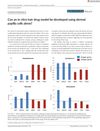
February 2021 in “Experimental dermatology” Dermal papilla microtissues could be useful for initial hair growth drug testing.
 62 citations
,
February 2016 in “ACS Applied Materials & Interfaces”
62 citations
,
February 2016 in “ACS Applied Materials & Interfaces” Technique creates 3D cell spheroids for hair-follicle regeneration.
8 citations
,
May 2024 in “ACS Applied Materials & Interfaces” PCL nanoscaffold-based liver spheroids are effective for drug screening and studying liver toxicity.
8 citations
,
September 2023 in “International Journal of Nanomedicine” A new lab-grown lung model helps study adenoviruses and test antiviral drugs.
5 citations
,
September 2024 in “International Journal of Molecular Sciences” 3D bioprinted lung cancer models in a mouse-like structure offer a better way to study radiation effects without using live animals.
4 citations
,
July 2025 in “Organoids” Organoids can revolutionize medicine by modeling diseases and aiding in personalized treatments.
January 2026 in “Cellular and Molecular Bioengineering” A 3D model of Dupuytren’s disease was developed for better drug testing.
October 2014 in “Microscopy” The method using ionic liquid improves observation of cell structures with less damage.
 5 citations
,
November 2022 in “Journal of Ginseng Research/Journal of ginseng research”
5 citations
,
November 2022 in “Journal of Ginseng Research/Journal of ginseng research” Ginsenoside Re from Panax ginseng may prevent hair loss by maintaining autophagy and Wnt signaling in hair cells.