 59 citations
,
June 2023 in “Nature Aging”
59 citations
,
June 2023 in “Nature Aging” Blocking IL-17 signaling may reduce skin inflammation and delay aging.
 February 2024 in “Planta”
 TRM21 helps control flavonoid production and root hair growth in Arabidopsis thaliana.
 14 citations
,
June 2021 in “Expert Opinion on Therapeutic Patents”
14 citations
,
June 2021 in “Expert Opinion on Therapeutic Patents” New patents show progress in developing drugs targeting the Wnt pathway for diseases like cancer and hair loss.
37 citations
,
February 2007 in “Experimental Dermatology” Increasing PDCD4 protein may help prevent or treat some skin cancers.
44 citations
,
January 2023 in “New Phytologist” FER and TOR signaling help root hair growth in low temperature and low nitrate conditions.
34 citations
,
March 2009 in “Journal of Investigative Dermatology” Proteomic analysis can identify genetic differences in mouse hair, helping understand hair defects and variations.
13 citations
,
August 1999 in “Journal of Investigative Dermatology” Bikunin is found on the cell boundaries of certain skin layers and may help regulate skin and hair functions.
4 citations
,
October 2021 in “Microorganisms” Men with androgenetic alopecia have different scalp oils and microbes compared to those without.
73 citations
,
April 2017 in “Scientific Reports” Nitrogen starvation in microalgae increases lipid production, making it a potential biofuel source.
 May 2026 in “Microorganisms”
 Herbal extract shampoo improves scalp health and hair growth in seborrheic alopecia.
 June 2025 in “Microorganisms”
 Microbial imbalances in hair follicles may contribute to hair loss, especially in women.

Skin stem cells in hair follicles are important for touch sensation.

Hair follicle stem cells are crucial for touch sensation and proper nerve structure in mice.
5 citations
,
November 2024 in “Biomedicine & Pharmacotherapy” The chitosan-peptide system helps cartilage regeneration using fat-derived cells.
Taking enzyme food and collagen together improves hair health in middle-aged women more than taking them separately.
 1 citations
,
April 2021 in “Journal of the Korean Society of Cosmetology”
1 citations
,
April 2021 in “Journal of the Korean Society of Cosmetology” Eating Cheonggukjang improved eyebrow length, thickness, and reduced damage in middle-aged women.

MTS and caffeine ampoule improve hair and scalp conditions in women with hairline alopecia.
Male marathon runners in their 40s and 50s had more hair loss and higher heavy metal levels.
 46 citations
,
November 1995 in “The Journal of Dermatology”
46 citations
,
November 1995 in “The Journal of Dermatology” Alopecia areata was most common in people in their 30s and 40s, with some family history and a higher relapse rate, and larger bald areas responded better to specific immunotherapy.
20 citations
,
January 2015 in “Journal of cosmetic dermatology” Older people's hair cuticles get more easily damaged and lose protective oils, especially in their 40s and 50s.
 August 2022 in “RECISATEC”
 Female pattern hair loss is common, often starts in the 30s or 40s, worsens after menopause, and can negatively affect quality of life.
 April 2026 in “Clinical Journal of Gastroenterology”
 Upadacitinib can cause hypersensitivity that worsens ulcerative colitis symptoms.
4 citations
,
October 2018 in “JAMA Dermatology” Ruxolitinib may help treat hair loss and symptoms in patients with chronic graft-versus-host disease.
 1 citations
,
September 2022 in “Journal of Medical Case Reports”
1 citations
,
September 2022 in “Journal of Medical Case Reports” Rehabilitation therapy helped a severe COVID-19 patient regain muscle mass and return to normal life.
 1 citations
,
January 2019 in “Acta dermato-venereologica”
1 citations
,
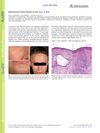
January 2019 in “Acta dermato-venereologica” The woman's skin and hair symptoms were confirmed as frontal fibrosing alopecia, and while facial papules are common in such cases, there's no effective local treatment, but systemic treatments can help.
 December 2024 in “Cureus”
 Tirzepatide improved symptoms and hair regrowth in a man with folliculitis decalvans.
 September 2024 in “Cureus”
 Removing breast implants resolved the patient's symptoms.
July 2023 in “International Journal of Rheumatic Diseases” Ulcerative sarcoidosis in body folds is rare and improved with prednisone and hydroxychloroquine.
 April 2021 in “Han'gug miyong haghoeji/Journal of the Korean society of cosmetology”
 Eating raw cheonggukjang improves scalp hair in middle-aged women.
31 citations
,
December 2012 in “British Journal of Dermatology” Korean women's hair thins, weakens, and greys with age, with mineral and sterol changes.