January 1988 in “Toxicological Sciences” 4PeCDF is highly toxic to male rats, causing weight loss, organ damage, and death.
 March 2026 in “Egyptian Journal of Forensic Sciences”
 Unified regulations and ethical guidelines are needed for fair use of forensic DNA phenotyping.
25 citations
,
April 2008 in “Clinical and experimental dermatology” EFFC might be common but underreported.
 October 2021 in “Journal of Investigative Dermatology”
 Skin changes in Pseudoxanthoma elasticum patients can indicate the severity of related health issues.
 2 citations
,
March 2023 in “Research Square (Research Square)”
2 citations
,
March 2023 in “Research Square (Research Square)” Forensic DNA phenotyping faces challenges due to inconsistent terminology, limited genetic understanding, and debates over technology and models.
 January 2022 in “Figshare”
 I cannot summarize the document because it cannot be parsed.
February 2023 in “Default Digital Object Group” 4 citations
,
March 2024 in “Forensic Sciences Research” Forensic DNA phenotyping faces challenges like inconsistent terms and limited genetic knowledge.
 2 citations
,
January 2012 in “Journal of The Chilean Chemical Society”
2 citations
,
January 2012 in “Journal of The Chilean Chemical Society” New method accurately measures finasteride in tablets and bulk.
 November 2023 in “Journal of cosmetic dermatology”
 The 595-nm pulsed dye laser effectively reduces symptoms of EFFC with minimal side effects.
August 2024 in “Clinical & experimental pathology” Forensic DNA phenotyping can now predict more physical traits and ancestry from DNA, but further improvements are needed.
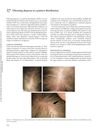 April 2012 in “Informa Healthcare eBooks”
 Fibrosing alopecia in a pattern distribution is a unique hair loss condition with inflammation and scarring, resembling but distinct from common balding.
37 citations
,
February 2007 in “Experimental Dermatology” Increasing PDCD4 protein may help prevent or treat some skin cancers.
 May 2023 in “GSC biological and pharmaceutical sciences”
 Forensic DNA phenotyping is becoming useful for predicting physical traits in criminal investigations but is limited by ethical concerns and incomplete genetic understanding.
 3 citations
,
April 2021 in “PLoS ONE”
3 citations
,
April 2021 in “PLoS ONE” Pulse electric fields can control the release of growth factors and serotonin from platelet-rich plasma, offering a tailored approach to wound healing.
14 citations
,
July 2021 in “Bioinformatics” rPanglaoDB helps study rare cell types by merging RNA data, showing fibrocytes aid in healing.
2 citations
,
July 2011 in “International Journal of Dermatology” EPF can occur without visible pustules.
May 2023 in “Zenodo (CERN European Organization for Nuclear Research)” Forensic DNA phenotyping can predict physical traits from DNA but faces challenges in knowledge and ethics.

New methods efficiently isolate dermal papilla cells from hair follicles, preserving their characteristics better than traditional methods.
May 2021 in “bioRxiv (Cold Spring Harbor Laboratory)” rPanglaoDB helps study rare cell types by merging RNA data, confirming fibrocytes' role in healing.
 2 citations
,
December 2021
2 citations
,
December 2021 The research found that the properties of solid-state Electronic Circular Dichroism (ss-ECD) are influenced by the orientation of local crystals, which could help in examining and mapping chiral materials like pharmaceutical ingredients.
 11 citations
,
August 2017 in “Journal of Chromatographic Science”
11 citations
,
August 2017 in “Journal of Chromatographic Science” The new method is rapid, sensitive, and accurate for evaluating the quality of the medicinal herb Platycladi cacumen.
 5 citations
,
January 2021 in “IEEE Access”
5 citations
,
January 2021 in “IEEE Access” Electric pulses can effectively activate platelets and release growth factors, offering a better alternative to traditional methods.
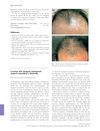 13 citations
,
February 2007 in “British Journal of Dermatology”
13 citations
,
February 2007 in “British Journal of Dermatology” EF and PXE not closely related.
 November 2021 in “CRC Press eBooks”
 Fibrosing alopecia in a pattern distribution is a new type of scarring hair loss that resembles common baldness and an autoimmune skin disease.
 May 2026 in “International Journal of Drug Delivery Technology”
 Accurate diagnosis of EFFC is crucial for effective counseling and cosmetic care.
 7 citations
,
March 2024 in “Scientific Reports”
7 citations
,
March 2024 in “Scientific Reports” The neighborhood face index (NFI) accurately predicts properties of complex molecules.
 December 2022 in “IntechOpen eBooks”
 Forensic DNA Phenotyping accurately predicts physical traits and is used in investigations, but needs more diverse population data for confirmation.
 2 citations
,
April 2020 in “bioRxiv (Cold Spring Harbor Laboratory)”
2 citations
,
April 2020 in “bioRxiv (Cold Spring Harbor Laboratory)” The new method found new shared genetic areas linked to both Type 2 Diabetes and Prostate Cancer.
 13 citations
,
January 2019 in “Skin appendage disorders”
13 citations
,
January 2019 in “Skin appendage disorders” FAPD is a possible diagnosis for hair loss in patients of color and requires multiple evaluations for accurate diagnosis.