Search
for
Sort by
Research
960-990 / 1000+ results
research 5α-Metabolism in Finasteride-Treated Subjects and Male Pseudohermaphrodites with Inherited 5α-Reductase Deficiency
Finasteride lowers DHT levels and raises testosterone in a dose-dependent way.
research Interconnected PolymerS TeChnology (IPSTiC): An Effective Approach for the Modulation of 5α-Reductase Activity in Hair Loss Conditions
A new anti-baldness patch effectively treats hair loss by blocking enzymes linked to the condition.
research 4‐MAPC, a 5α‐Reductase Inhibitor, Reduces Rat Ventral Prostate Weight, DNA, and Prostatein Concentrations
4‐MAPC reduces rat prostate weight and prostatein levels.
research Comparing the frequency of isotretinoin-induced hair loss at <0.5-mg/kg/d versus ≥0.5-mg/kg/d dosing in acne patients: A systematic review
Higher doses of isotretinoin may lead to more hair loss.
research Theoretical evaluation of interaction of some dibenzo derivatives on both androgen receptor and 5α-reductase enzyme
Certain Dibenzo derivatives may help treat prostate cancer.

research Minoxidil Acts as an Antiandrogen: A Study of 5α-reductase Type 2 Gene Expression in a Human Keratinocyte Cell Line.
Minoxidil may help treat hair loss by reducing the activity of a specific enzyme linked to baldness.
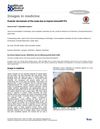
research Pustular dermatosis of the scalp due to topical minoxidil 5%
A woman had an unusual allergic reaction to a hair loss treatment, which cleared up after stopping the treatment and using a different medication.
research Ligand Based 3D-QSAR Study on a Series of Steroidal Human 5α-Reductase Inhibitors
research COMPARATIVE STUDY OF EFFICACY OF PLATELET RICH PLASMA VERSUS MINOXIDIL (5%-10%) IN THE TREATMENT OF ANDROGENETIC ALOPECIA IN MALES
PRP is more effective than minoxidil for treating male pattern baldness.
research Finasteride for recurrent priapism in children and adolescents: A report on 5 cases
Finasteride may help treat recurrent priapism in children, but more research is needed.
research The circulating dihydrotestosterone/testosterone ratio is increased by gut microbial 5α-reductase activity in females
Women have a higher DHT/testosterone ratio than men, possibly due to gut bacteria activity.
research Anti-androgenetic effect of diphlorethohydroxycarmalol on testosterone-induced hair loss by inhibiting 5α-reductase and promoting Wnt/β-catenin signaling pathway in human dermal papilla cells
Diphlorethohydroxycarmalol may help treat hair loss better than current medications.
research Risk of estrogen-driven malignancies in females on 5-alpha reductase inhibitors
research URTICA DIOICA EXTRACT DOWNREGULATES THE GENE EXPRESSION OF 5Α-RII IN HACAT CELLS: POSSIBLE IMPLICATIONS AGAINST ANDROGENIC SKIN DISEASES.
Urtica dioica extract may help treat androgenic skin diseases by reducing a specific gene's activity.
research A study on common clinical pattern of presentation of skin and hair changes in nutritional deficiencies associated with dietary fallacies in children 1 to 5 years of age
Poor nutrition in young children causes skin and hair issues, highlighting the need for better nutrition education.
research The Efectiveness of 0.03% Bimatoprost Solution Vs Minoxidil 5% in Androgenic Alopecia
research The Long-Term Effect Of Specific Type II 5??-Reductase Inhibition With Finasteride on Bone Mineral Density in Men: Results of a 4-Year Placebo Controlled Trial
research Supplemental Materials for "No Increased Cardiovascular Hazard with Oral 5-Alpha-Reductase Inhibitors in Treatment of Androgenetic Alopecia: A TriNetX Retrospective Cohort Study"
research Supplemental Materials for "No Increased Cardiovascular Hazard with Oral 5-Alpha-Reductase Inhibitors in Treatment of Androgenetic Alopecia: A TriNetX Retrospective Cohort Study"
research Supplemental Materials for "No Increased Cardiovascular Hazard with Oral 5-Alpha-Reductase Inhibitors in Treatment of Androgenetic Alopecia: A TriNetX Retrospective Cohort Study"
research Reduced Prostate Cancer Risk in Patients with Androgenetic Alopecia Using 5-Alpha Reductase Inhibitors: A TriNetX Real-World Cohort Study
research Alkaline Phosphatase–Regulated C–C Motif Chemokine Ligand 5 (CCL5) Functions as a Critical Mediator of Hair Follicle Neogenesis
research Visit complexity differs between scarring and nonscarring alopecia: A 5-year DataDerm analysis
Scarring alopecia visits are more complex than nonscarring ones.
research Search for New antineoplastic agents based on structural modifications of steroidal 5α-reductase, 17β-hydroxysteroid dehydrogenase, and 17α-hydroxylase/17,20-lyase inhibitors
Modifying steroidal inhibitors shows promise for developing new cancer treatments.
research 63253 A pilot study of efficacy and safety comparing 5% minoxidil emulsion and standard topical 5% minoxidil solution in the treatment of male androgenetic alopecia
research Hair loss treatments: A Google trends analysis worldwide of the past 5 years (2018-2023)
Interest in hair loss treatments, especially Minoxidil and Finasteride, has increased globally, with variations by region.
research The efficacy of tretinoin gel 0.1% followed by topical minoxidil-5% in individuals with androgenetic alopecia
The combination of tretinoin gel and minoxidil effectively improves hair growth and satisfaction in people with androgenetic alopecia.

research Comparative Study That Evaluates the Effectiveness of Intradermotherapy with 0.5% Minoxidil Versus Topical Application of 5% Monoxidil Solution in the Treatment of Androgenetic Alopecia
Intradermotherapy with minoxidil is as effective as topical application for treating hair loss.
research The Effectiveness and Safety of Three Treatment Regimens of Topical Minoxidil 5.0%, Betamethasone 0.064% w/w, and Castor and Jojoba Oils for Alopecia Areata: A Multicenter Cohort Study
Minoxidil with betamethasone is the most effective for hair regrowth in alopecia areata.