 June 2012 in “Prescriber”
 Topical minoxidil effectively and safely treats female pattern hair loss, but other treatments need more research.
12 citations
,
October 2001 in “Journal of the American Academy of Dermatology” Topical 5% minoxidil lacks strong evidence for treating alopecia areata.

Topical minoxidil was effective in promoting hair growth for male pattern baldness.
 11 citations
,
January 2002 in “Dermatologic Surgery”
11 citations
,
January 2002 in “Dermatologic Surgery” Using minoxidil before and after facelift surgery can effectively prevent temporary hair loss without causing other complications.
 14 citations
,
July 1987 in “Dermatologic Clinics”
14 citations
,
July 1987 in “Dermatologic Clinics” The document concludes that treating female hair loss should target reducing excess androgen and blocking its effects on hair follicles, with the best treatments being hormonal therapy, adrenal suppression, and topical minoxidil.
 January 2002 in “Dermatologic Surgery”
 Minoxidil is effective in preventing hair loss after facelift surgery.
 March 2014 in “Journal of the American Academy of Dermatology”
 Alopecia areata is relatively common in children, has a variable course, and shows different responses to treatment; thyroid testing is recommended for those affected.
 January 2003 in “Elsevier eBooks”
 Androgens and other hormones affect hair growth and skin conditions like acne.
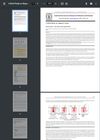 April 2024 in “International Journal of Research Publication and Reviews”
 Alopecia areata causes hair loss with varied treatment responses and frequent relapses.
 October 2017 in “World Academy of Science, Engineering and Technology, International Journal of Medical and Health Sciences”
 Combination therapy with higher concentrations of minoxidil can lead to rapid hair growth in pattern baldness with no significant side effects.