 December 2023 in “Annals of phytomedicine”
 Dutasteride is more effective than finasteride for hair loss treatment.
 September 2021 in “Han'gug mi'saengmul saengmyeong gong haghoeji/Han-guk misaengmul saengmyeong gonghak hoeji”
 Tetrathelmis tetrathele extract may help prevent hair loss and improve scalp health.
January 2019 in “International Journal of Plant Animal and Environmental Sciences” The extract from marine green alga Chlamydomonas sp. W80 has antioxidant, anti-inflammatory, anti-aging, hair growth, immune-boosting, and skin lightening effects.
 March 2018 in “Dermatología Argentina”
 The study found that the average age of women diagnosed with Frontal Fibrosing Alopecia in Argentina is higher than in other countries, but their symptoms are similar.

The document concludes that current treatments for androgenic alopecia are not fully effective, but new therapies like botulinum toxin and PRP show promise, and future gene therapy could be beneficial.
June 2008 in “Alcoholism Clinical and Experimental Research” Certain drugs can block changes in brain receptors caused by alcohol withdrawal.
 January 2006 in “The Journal of Korean Medicine Ophthalmology and Otolaryngology and Dermatology”
 Rubus coreanum may help hair growth but not through the tested mechanisms, and none of the herbal extracts help with acne.
 January 2024 in “Dermatology Review”
 Current treatments for androgenetic alopecia are limited, but research is ongoing to find better solutions.
 April 2023 in “Journal of Investigative Dermatology”
 The research found that certain factors in hair follicle cells control hair growth and development, and these could be used to create new treatments for hair loss.

Avicennia marina extract and avicequinone C can potentially promote hair growth and treat hair loss by interfering with hair loss mechanisms and boosting growth factors.
 August 1993 in “Journal of Dermatological Science”
 Testosterone metabolism in balding scalp cells may not be the main cause of hair loss.
 August 2021 in “Skin appendage disorders”
 Two people lost hair unexpectedly after getting a common hair loss treatment with a drug called Dutasteride.
 March 2005 in “Journal of The American Academy of Dermatology”
 Two cosmetic lotions improved hair growth and had better cosmetic effects than 2% minoxidil.
 146 citations
,
January 2004 in “Hormones”
146 citations
,
January 2004 in “Hormones” Human skin acts like a hormone-producing organ, making and managing various hormones important for skin and hair health.
 24 citations
,
September 1996 in “Mycoses”
24 citations
,
September 1996 in “Mycoses” Androgenic steroids can slow down or stop the growth of certain skin fungi.
 4 citations
,
January 2019 in “Obstetrics & gynecology science”
4 citations
,
January 2019 in “Obstetrics & gynecology science” A PET-CT scan successfully located a hard-to-find Leydig cell tumor in a woman with hormonal symptoms.
3 citations
,
August 2022 in “International Journal of Molecular Sciences” TSC2-/meth cells can cause skin lesions, hair growth, and lung issues, and may be treated with chromatin remodeling agents.
 153 citations
,
October 2012 in “Skin Pharmacology and Physiology”
153 citations
,
October 2012 in “Skin Pharmacology and Physiology” Caffeine in cosmetics may reduce cellulite, protect skin, and stimulate hair growth, but more research is needed on its use and effects.
 23 citations
,
October 2018 in “Expert Opinion on Drug Safety”
23 citations
,
October 2018 in “Expert Opinion on Drug Safety” Consider benefits and risks of new alopecia treatments for safety.
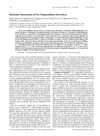 20 citations
,
January 2003 in “Chemical and Pharmaceutical Bulletin”
20 citations
,
January 2003 in “Chemical and Pharmaceutical Bulletin” The new progesterone derivatives effectively inhibit 5α-reductase and bind to the androgen receptor.
16 citations
,
January 2019 in “Pharmaceutical biology” Lespedeza cuneata extract may help treat enlarged prostate.
 13 citations
,
August 2013 in “Journal of pharmaceutical sciences”
13 citations
,
August 2013 in “Journal of pharmaceutical sciences” Researchers created a skin patch that delivers two drugs for treating enlarged prostate, which may improve patient use and dosage control.
 8 citations
,
June 2017 in “JAMA Dermatology”
8 citations
,
June 2017 in “JAMA Dermatology” Women pay more for the same 5% minoxidil foam than men, but prices for liquid solutions are similar.
 3 citations
,
August 2004 in “International journal of gynaecology and obstetrics”
3 citations
,
August 2004 in “International journal of gynaecology and obstetrics” Finasteride doesn't change polycystic ovary size or cyst number, suggesting testosterone's role in their appearance.
 2 citations
,
May 2018 in “Australasian Journal of Dermatology”
2 citations
,
May 2018 in “Australasian Journal of Dermatology” Some patients' hair grew back black and white after chemotherapy.
 2 citations
,
April 2017 in “Actas Dermo-Sifiliográficas”
2 citations
,
April 2017 in “Actas Dermo-Sifiliográficas” Best treatment for Frontal Fibrosing Alopecia is 5-alpha-reductase inhibitors and intralesional corticosteroids.
Dutasteride is more effective and better tolerated than finasteride for hair loss treatment.
 October 1996 in “Dermatologic Clinics”
 Research on hair disorders has advanced, with promising future progress in understanding and treating these conditions.
 February 2010 in “Journal of The American Academy of Dermatology”
 Lower nitric oxide and higher fibrinogen found in hirsute women; impaired sexual function in 22.6% of hair loss patients, linked to psoriasis severity.
159 citations
,
January 2006 in “BMC Cell Biology” Wnt signaling can improve skin healing by promoting epithelial growth.