The document concludes that hair loss in women is complex, often linked to aging, health conditions, and nutritional deficiencies, and emotional impacts should not be underestimated.
 7 citations
,
January 1981 in “Springer eBooks”
7 citations
,
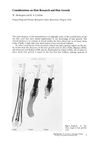
January 1981 in “Springer eBooks” The document concludes that hair biology is complex and there are still unanswered questions about hair loss and follicle changes.
 August 2023 in “Drug Design Development and Therapy”
 Minoxidil may work for hair loss by reducing androgen sensitivity and altering hormone-related enzymes.

Resistance exercise helps improve muscle protein balance disrupted by finasteride.
12 citations
,
January 1998 in “Drug safety” Finasteride helps reduce prostate size and symptoms in BPH but is less effective than terazosin and works best for larger prostates.
 March 2024 in “Journal of Evidence-Based Integrative Medicine”
 Teak leaf extract may effectively and safely promote hair growth in males with androgenic alopecia.
61 citations
,
December 2001 in “Journal of Investigative Dermatology” Steroid sulfatase in hair follicles may be a target for treating hair loss.
 33 citations
,
January 2016 in “Indian Journal of Dermatology, Venereology and Leprology”
33 citations
,
January 2016 in “Indian Journal of Dermatology, Venereology and Leprology” Taking 1 mg of finasteride daily can increase hair count and improve hair appearance, but it may have side effects on sexual function and a potential risk of prostate cancer. It may not be effective for postmenopausal women unless taken in higher doses.
1 citations
,
January 2020 in “Bioscience Reports” Long-term use of finasteride in women can cause hormonal changes, DNA damage, and menstrual issues.
2 citations
,
September 2024 in “Asian Journal of Andrology” New SRD5A2 variants may disrupt protein function, aiding diagnosis and treatment of related disorders.