2 citations
,
July 2024 in “International Journal of Molecular Sciences” Csdc2 helps hair growth in cashmere goats by regulating specific genes.
 November 2021 in “Pharmaceutical Sciences”
 New compounds were made and tested, with compound 6 showing potential for treating prostate-related diseases.
23 citations
,
June 1992 in “PubMed” RAR-gamma 1 is important for normal skin maintenance and differentiation.
 23 citations
,
December 2017 in “Scientific Reports”
23 citations
,
December 2017 in “Scientific Reports” ARL15 is important for fat cell development and the release of the hormone adiponectin.
January 2024 in “Animals” Circular RNA ERCC6 helps activate stem cells important for cashmere goat hair growth by interacting with specific molecules in an m6A modification-dependent way.
 22 citations
,
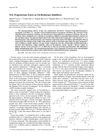
January 2001 in “Chemical & Pharmaceutical Bulletin”
22 citations
,
January 2001 in “Chemical & Pharmaceutical Bulletin” Some new progesterone derivatives are better at blocking testosterone conversion than a common drug.
33 citations
,
September 1990 in “Proceedings of the National Academy of Sciences” The study showed that a specific DNA sequence can control gene expression in hair growth areas of mice.
69 citations
,
August 1988 in “Journal of Investigative Dermatology” The transporter protein SH1446 in Staphylococcus hominis is key to underarm odor production.
 June 2020 in “The journal of investigative dermatology/Journal of investigative dermatology”
 The enzymes Tet1, Tet2, and Tet3 are important for the development of hair follicles and determining hair shape by controlling hair keratin genes.
 June 2023 in “Journal of biological chemistry/The Journal of biological chemistry”
 Sdr16c5 and Sdr16c6 genes regulate a key point in lipid production that affects eye and skin gland function.
43 citations
,
April 2011 in “AJP Endocrinology and Metabolism” Androgens increase muscle mass by promoting myoblast growth through ornithine decarboxylase.
The treatment was not recommended due to limited effectiveness and significant side effects.
April 2021 in “The journal of investigative dermatology/Journal of investigative dermatology” TET enzymes are important for skin and hair development by controlling gene activity in specific areas.
 1 citations
,
August 2016 in “Journal of Investigative Dermatology”
1 citations
,
August 2016 in “Journal of Investigative Dermatology” Activating STAT5 in the skin's dermal papilla is key for starting hair growth, regenerating hair follicles, and healing wounds.
13 citations
,
September 2017 in “Life sciences” Androgens may influence bladder cancer progression by affecting cellular behavior.
 April 2026 in “Tissue Engineering and Regenerative Medicine”
 The GPRC6A-Duox1 axis helps control hair growth and loss by affecting hydrogen peroxide production.
June 2025 in “Molecular Therapy — Nucleic Acids” A new treatment using a DNA aptamer can promote hair growth by targeting a specific receptor.
 1 citations
,
November 2015 in “Cochrane library”
1 citations
,
November 2015 in “Cochrane library” 5-alpha-reductase inhibitors help treat urinary symptoms from an enlarged prostate.
 February 2026 in “NeuroSci”
 Finasteride and dutasteride may cause depression and anxiety, especially in younger men.
The enzyme Dgat1 is essential for healthy hair and skin by controlling retinoid levels.
36 citations
,
July 2005 in “Journal of Neuroendocrinology” Blocking certain brain processes reduces mating behavior in female rats.
 3 citations
,
February 2022 in “Frontiers in cell and developmental biology”
3 citations
,
February 2022 in “Frontiers in cell and developmental biology” A specific RNA molecule, circCOL1A1, affects the growth and quality of goat hair by interacting with miR-149-5p and influencing cell growth pathways.
7 citations
,
September 2024 in “PLANT PHYSIOLOGY” RALF22 is essential for root hair growth in response to fungal emissions in Arabidopsis.
 1 citations
,
February 2022 in “bioRxiv (Cold Spring Harbor Laboratory)”
1 citations
,
February 2022 in “bioRxiv (Cold Spring Harbor Laboratory)” Certain interactions help prepare the androgen receptor for pairing and activation, which is important for its role in development and disease.
22 citations
,
February 2008 in “Biochemical and Biophysical Research Communications” Androgen effects on hair follicles vary by skin area.
Ethanol changes GABAA receptor α4 subunit levels through phosphorylation and neuroactive steroids.
34 citations
,
August 2019 in “Journal of Allergy and Clinical Immunology” mTORC2 is crucial for healthy skin barrier by regulating lipids and filaggrin.
 6 citations
,
January 2020 in “International journal of biological sciences”
6 citations
,
January 2020 in “International journal of biological sciences” Removing the ROBO4 gene in mice reduces skin inflammation and hair loss by affecting certain inflammation pathways and gene expression.
7 citations
,
February 2020 in “Analytical and Bioanalytical Chemistry”