Search
for
Sort by
Research
330-360 / 1000+ resultsresearch [Chemotherapy for advanced non-Hodgkin's lymphoma with CVP therapy].
CVP therapy showed moderate success in treating advanced non-Hodgkin's lymphoma, but more intensive treatment is needed for better outcomes.
research 0959 Effects of M1 homeopathic complex on human melanoma cells
M1 homeopathic complex may help slow melanoma cell growth.
research Abstract 5022: Keratin15 (Krt15) + are radio resistant and tumor-initiating cells in the mouse small intestine
Krt15+ cells in mice can resist radiation, regenerate tissue, and start tumors, suggesting new cancer treatment targets.
research [Selective changes in lymphocytic differentiation antigens in the peripheral blood of patients with alopecia areata treated with oral zinc].
Zinc may help treat alopecia areata by boosting certain immune cells.
research 0036 IL-27 generates immunosuppressive CD4 T cells and and prevents the development of alopecia areata
IL-27 may help prevent hair loss by creating immune-suppressing cells.
research ULTRAVIOLET LIGHT-ENHANCED VISUALIZATION OF CUTANEOUS SIGNS OF CAROTENE AND VITAMIN A DIETARY DEFICIENCY
UV light makes skin signs of lack of carotene and vitamin A more visible.
research Evaluation of the Relationship between Alopecia Areata and Viral Antigen Exposure
Hepatitis B virus exposure may be linked to increased risk of alopecia areata.

research Axitinib-induced repigmentation of grey hair in a patient with metastatic renal cell carcinoma
Axitinib treatment turned a man's grey hair back to black.

research Near missed diagnosis of Merkel Cell Carcinoma in a young immunocompetent woman with a recurrent left-arm mass: A case report
A young woman with a rare skin cancer was diagnosed late because her symptoms were unusual for the disease.
research Elevation of circulating DNAs of disease-associated cytokines in serum cell-free DNA from patients with alopecia areata
Higher levels of certain DNAs in blood may indicate hair follicle damage in alopecia areata patients.
research Integrated safety analysis of baricitinib in adults with severe alopecia areata from two randomized clinical trials
Baricitinib for severe alopecia areata is generally safe, with common side effects like infections and acne, and low rates of serious complications.
research 097 LFA-1 blockade prevents the onset of alopecia areata in C3H/HeJ mice
Blocking LFA-1 prevents hair loss in mice.
research Genetic Single Nucleotide Polymorphisms of IL-16 and its Concentration of Patients Infected with Alopecia Areata in Diyala Province, Iraq
Certain genetic variations in IL-16 may increase the risk of alopecia areata.
research Lichen myxedematosus in a patient with hepatocellular carcinoma
Removing the liver tumor improved the patient's skin condition and hair growth.
research Reversal of Alopecia Areata Following Treatment With the JAK1/2 Inhibitor Baricitinib
A patient with Alopecia Areata had complete hair regrowth after using the drug baricitinib.
research 264 CCR5 blockade shows prevention of alopecia areata development as well as improvement of alopecia areata
Blocking CCR5 can prevent and improve hair loss in alopecia areata.
research Comprehensive single-cell transcriptomic profiling of the scalp from patients with moderate-to-severe alopecia areata
Alopecia areata involves immune system issues and specific cell types that disrupt hair growth, leading to hair loss.
research Induction of dark keratinocytes by 12-O-tetradecanoyl-phorbol-13-acetate and mezerein as an indicator of tumor-promoting efficiency
TPA is about 50 times more effective at promoting tumors than MZ.
research 1495 Dimethyl fumarate ameliorates delayed wound healing due to IL-36Ra deficiency through inhibition of NET formation and oxidative stress
Dimethyl fumarate speeds up wound healing in IL-36Ra deficient mice by reducing NET formation and oxidative stress.
research The Role of Box A ofHMGB1in Enhancing Stem Cell Properties of Human Mesenchymal Cells: A Novel Approach for the Pursuit of Anti-aging Therapy
Box A of HMGB1 can improve stem cell function, aiding anti-aging therapy.

research Dermatological lesions among people living with HIV in Turkey
People living with HIV in Turkey often have skin conditions, which are more common in advanced HIV stages and may help in diagnosing the infection.
![[4-t-Butylphenyl]-N-(4-imidazol-1-yl phenyl)sulfonamide (ISCK03) Inhibits SCF/c-kit Signaling in 501mel Human Melanoma Cells and Abolishes Melanin Production in Mice and Brownish Guinea Pigs](/images/assets/4eb017dc-711d-4926-bcd0-c3b8f48e3a99/small/19974.jpg)
research [4-t-Butylphenyl]-N-(4-imidazol-1-yl phenyl)sulfonamide (ISCK03) inhibits SCF/c-kit signaling in 501mel human melanoma cells and abolishes melanin production in mice and brownish guinea pigs
ISCK03 stops melanin production in human melanoma cells and lightens skin color in mice and guinea pigs.
research P164 Cutaneous toxicities occurring during amivantamab treatment: the experience of a single large specialist institution
Amivantamab treatment often causes skin issues that can affect quality of life and treatment continuation.
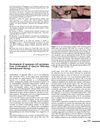
research Development of squamous cell carcinoma from erythroplasia of Queyrat following photodynamic therapy
Photodynamic therapy may not work for erythroplasia of Queyrat and could lead to invasive squamous cell carcinoma.
research Alopecia areata possibly induced by autoimmune reaction in a patient with human T‐cell lymphotropic virus‐1‐associated myelopathy
Autoimmune reactions may cause both alopecia areata and HAM.
research Two Opposing Faces of Retinoic Acid: Induction of Stemness or Induction of Differentiation Depending on Cell-Type
Retinoic acid can either maintain stem cells or make them specialize, depending on the cell type.
research ADSCs inhibit photoaging‐ and photocarcinogenesis‐related inflammatory responses and extracellular matrix degradation
ADSCs help protect skin from UV damage and aging.

research Molecular heterogeneity of quiescent melanocyte stem cells revealed by single-cell RNA-sequencing
Different types of inactive melanocyte stem cells exist with unique characteristics and potential to develop into other cells.
research C001 Lymphoproliferative disorders
Skin lymphoproliferative disorders are hard to diagnose and often linked to systemic diseases, but most have a good prognosis with accurate diagnosis.