 May 2026 in “International Journal of Drug Delivery Technology”
 Accurate diagnosis of EFFC is crucial for effective counseling and cosmetic care.
16 citations
,
July 1996 in “Journal of Investigative Dermatology” 
The document describes a rare case of IFAP syndrome, a genetic condition with symptoms of hair loss, light sensitivity, and scaly skin.
27 citations
,
September 2013 in “The FASEB Journal” Losing Memo protein shortens lifespan and affects health.
 9 citations
,
August 2018 in “Journal der Deutschen Dermatologischen Gesellschaft”
9 citations
,
August 2018 in “Journal der Deutschen Dermatologischen Gesellschaft” Most patients with frontal fibrosing alopecia are middle-aged women, often have thyroid disease, and some treatments can help stabilize the condition.
 8 citations
,
October 2016 in “Actas Dermo-Sifiliográficas”
8 citations
,
October 2016 in “Actas Dermo-Sifiliográficas” FFA in men, often mistaken for other hair loss types, may be more common than thought and needs larger studies for confirmation.
 May 2025 in “Journal of Investigative Medicine”
 FAI is a better marker for predicting female hair loss than testosterone or SHBG alone.
 81 citations
,
November 2012 in “Journal of the National Cancer Institute”
81 citations
,
November 2012 in “Journal of the National Cancer Institute” The tumor suppressor gene FLCN affects mitochondrial function and energy use in cells.
 16 citations
,
August 2015 in “Protein Expression and Purification”
16 citations
,
August 2015 in “Protein Expression and Purification” Scientists successfully made a human growth factor in a plant, which could help with hair growth and bone development.

Mealworm protein helps fat cell development and may aid in metabolic health and hair growth.
February 2018 in “Archivio Istituzionale della Ricerca (Universita Degli Studi Di Milano)” Ferroportin in macrophages is crucial for hair growth and skin healing by managing iron distribution.
 June 2023 in “Brazilian Journal of Case Reports”
 Botulinum Toxin Type A delivered through the skin may be a promising treatment for Frontal Fibrosing Alopecia.
 3 citations
,
February 2022 in “Dermatology practical & conceptual”
3 citations
,
February 2022 in “Dermatology practical & conceptual” The study concludes that early diagnosis of Frontal Fibrosing Alopecia is important, as it is often found in postmenopausal women, may be related to Lichen Planopilaris, and eyebrow hair loss is a common sign.
 1 citations
,
May 2023 in “European Journal of Human Genetics”
1 citations
,
May 2023 in “European Journal of Human Genetics” Rare ULBP3 gene changes may raise the risk of Alopecia areata, a certain FAS gene deletion could cause a dysfunctional protein in an immune disorder, and having one copy of a specific genetic deletion is okay, but two copies cause sickle cell disease.
 May 2026 in “AAPS PharmSciTech”
 PEGylated flavonoid Aspasomes improve brain protection and memory in stress-related disorders.
December 2022 in “Plastic and Reconstructive Surgery” PRPF is a safer and more effective treatment for hair loss than PRP.
April 2026 in “Human Genome Variation” Long-read RNA sequencing can identify complex gene changes in IFAP syndrome.
 September 2017 in “Journal of Investigative Dermatology”
 Finasteride helps female-pattern hair loss.
April 2019 in “Journal of Investigative Dermatology” Blocking LFA-1 prevents hair loss in mice.
 January 2024 in “Journal of Clinical Images and Medical Case Reports”
 Baricitinib may help treat frontal fibrosing alopecia and facial papules.
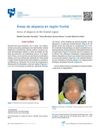 January 2025 in “Revista del Centro Dermatológico Pascua”
 Early diagnosis and treatment can help manage fibrosing alopecia in older women.
2 citations
,
April 2022 in “Genes” The study found that the hair loss condition in Cesky Fousek dogs is influenced by multiple genes affecting skin and muscle structure, fat metabolism, and immunity.
 61 citations
,
January 2019 in “American Journal of Clinical Dermatology”
61 citations
,
January 2019 in “American Journal of Clinical Dermatology” The cause of Frontal Fibrosing Alopecia is unclear, diagnosis involves clinical evaluation and various treatments exist, but their effectiveness is uncertain.
July 2025 in “Journal of Investigative Dermatology” Reducing PEDF may help treat hair loss.
 4 citations
,
May 2021 in “Biomedicines”
4 citations
,
May 2021 in “Biomedicines” Targeting the protein Caveolin-1 might help treat a type of scarring hair loss called Frontal Fibrosing Alopecia.
 12 citations
,
August 2011 in “European Journal of Endocrinology”
12 citations
,
August 2011 in “European Journal of Endocrinology” Anti-Müllerian hormone is a specific marker for ovarian issues in women with conditions like PCOS.
March 2025 in “Revista Foco” Early diagnosis of Alopecia Frontal Fibrosante is crucial for effective treatment.
253 citations
,
April 2009 in “Journal of Biological Chemistry” p2y5, now called LPA6, is a receptor important for human hair growth.
 November 2023 in “The journal of investigative dermatology/Journal of investigative dermatology”
 Early treatment and multidisciplinary care are key to managing Frontal Fibrosing Alopecia and preventing further hair loss.
305 citations
,
March 2008 in “AJP Endocrinology and Metabolism” SSAT is a key enzyme affecting cell growth and metabolism, with potential but risky use in disease treatment.