 December 2022 in “International Journal of Biomedicine”
 Androgens may worsen COVID-19 and hair loss could indicate the disease's severity.
 June 2021 in “Journal of emerging technologies and innovative research”
 Onion and Aloe vera can help protect hair from damage caused by hair dyes.
 January 2020 in “Der Pharmacia Lettre”
 Nanoparticle-based herbal remedies could be promising for treating hair loss with fewer side effects and lower cost, but more research is needed.
 March 2023 in “International Journal of Advanced Research in Science, Communication and Technology”
 Various medicinal plants like Polygonum multiflorum, Red ginseng extract, and Zizyphus jujuba can potentially treat hair loss, offering benefits like low cost and multiple ways of working. Other effective natural substances include Pygeum africanum, Seneroa, Urtica dioica, and more.
 September 2019 in “Journal of Investigative Dermatology”
 Dermal Papilla Cells grown in 3D and with stem cells better mimic natural hair growth conditions than cells grown in 2D.
 September 2019 in “Journal of Investigative Dermatology”
 The 3D-SeboSkin model effectively simulates Hidradenitis suppurativa and is useful for future research.
 November 2015 in “European Journal of Inflammation”
 Cicatricial alopecia, a permanent hair loss condition, is mainly caused by damage to specific hair follicle stem cells and abnormal immune responses, with gene regulator PPAR-y and lipid metabolism disorders playing significant roles.
 27 citations
,
December 2016 in “Dermatology and Therapy”
27 citations
,
December 2016 in “Dermatology and Therapy” Certain skin conditions can indicate insulin resistance and should prompt lifestyle changes and medical treatment to manage underlying health issues.
 20 citations
,
July 2009 in “Journal of Pediatric and Adolescent Gynecology”
20 citations
,
July 2009 in “Journal of Pediatric and Adolescent Gynecology” Quick treatment of hair disorders in teenage girls is important because of the emotional effects.
 1 citations
,
May 2002 in “British Journal of Dermatology”
1 citations
,
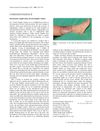
May 2002 in “British Journal of Dermatology” Hair loss caused by longer latent hair cycle and sudden miniaturization, not gradual follicle size reduction.