 April 2018 in “Journal of Investigative Dermatology”
 STIM1 is essential for sweat secretion.
4 citations
,
December 2024 in “JAAD Case Reports” Nirogacestat can cause severe skin issues like hidradenitis suppurativa.
 11 citations
,
May 2015 in “Stem Cells Translational Medicine”
11 citations
,
May 2015 in “Stem Cells Translational Medicine” Megestrol acetate helps fat-derived stem cells grow, move, and turn into fat cells through a specific receptor.
September 2025 in “Stem Cell Research & Therapy” TAZ boosts fat cell formation in goat stem cells by activating a specific signaling pathway.
4 citations
,
November 2024 in “Nano Biomedicine and Engineering” Jackfruit leaf-derived silver nanoparticles in gel form effectively fight infections, especially against E. coli.
1 citations
,
January 2010 in “Acta Chirurgica Latviensis” Inflammation in psoriasis may trigger antimicrobial peptides and cell death.
Root hairs help us understand plant growth and the role of the actin cytoskeleton.
 September 2016 in “Journal of Dermatological Science”
 Both SMS1 and SMS2 are crucial for normal hair growth and cycle in mice.
 17 citations
,
June 2017 in “Journal of pharmaceutical sciences”
17 citations
,
June 2017 in “Journal of pharmaceutical sciences” Researchers developed a nanomedicine for acne treatment that delivers medication with less irritation and is non-irritating for oily skin.
 September 2024 in “Skin Appendage Disorders”
 Tofacitinib helped a woman regrow her hair without relapses after other treatments failed.
May 2025 in “OPAL (Open@LaTrobe) (La Trobe University)” Linoleic acid and magnesium are key in alopecia areata progression, and tofacitinib can help by affecting their pathway.
 January 2026 in “RSC Advances”
 The hydrogel helps heal wounds without scars by releasing two drugs gradually.
4 citations
,
September 2020 in “Journal of Mind and Medical Sciences” The new sunscreen cream is effective, safe, and has good skin qualities.
 8 citations
,
January 2021 in “Pharmaceutics”
8 citations
,
January 2021 in “Pharmaceutics” Nanoporous silica entrapped lipid-drug complexes significantly improve the solubility and absorption of drugs that don't dissolve well in water.
July 2025 in “Journal of Investigative Dermatology” Reduced AhR signaling in HS tunnels leads to persistent inflammation and microbial imbalance.
 45 citations
,
April 2013 in “Cell Transplantation”
45 citations
,
April 2013 in “Cell Transplantation” Activin B improves wound healing and hair growth by helping stem cells move using certain cell signals.
6 citations
,
January 2018 in “Advances in experimental medicine and biology” 68 citations
,
January 2020 in “International Journal of Pharmaceutics” Vitamin C-based nanovesicles effectively treat acne.
 March 2026 in “Frontiers in Bioscience-Elite”
 Duloxetine, escitalopram, and finasteride may be effective against bacteria and fungi.
 March 2026 in “Frontiers in Veterinary Science”
 All-trans retinoic acid slows cell growth and increases cell death in goat hair follicles through a specific pathway.
September 2015 in “Photodiagnosis and Photodynamic Therapy”  March 1983 in “Annals of Internal Medicine”
 5-Aminosalicylic acid enemas may cause immediate hair root damage and hair loss.
January 2016 in “Institutional Repositories DataBase (IRDB)” Sebaceous glands help study fatty acid transporters and binding proteins.
3 citations
,
July 2023 in “Acta Biomaterialia” PepACS offers a safer, eco-friendly way to perm, dye, and repair hair.
37 citations
,
November 2020 in “International Journal of Nanomedicine” Nano-liposol with astaxanthin may improve antioxidant and wound healing effects.
 July 2023 in “Skin Research and Technology”
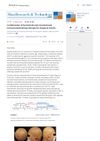
 Baricitinib combined with other immune therapies may safely and effectively treat severe scalp hair loss.
7 citations
,
January 2025 in “Journal of Medicinal Chemistry” New itaconate prodrugs improve its absorption and effectiveness for treating inflammation.
May 2025 in “OPAL (Open@LaTrobe) (La Trobe University)” Targeting specific metabolic and ionic pathways may improve alopecia areata treatment.
November 2025 in “Probiotics and Antimicrobial Proteins”  April 2023 in “Journal of Investigative Dermatology”
 Taking nicotinic acid supplements might help with acne by affecting the skin's oil glands, but high doses are needed.