10 citations
,
October 1992 in “PubMed” Anti-phospholipid antibodies in SLE can cause thrombosis and bone necrosis.
 6 citations
,
March 2019 in “The American Journal of Dermatopathology”
6 citations
,
March 2019 in “The American Journal of Dermatopathology” Amyloid deposits linked to a type of protein may cause a unique pattern of hair loss by disrupting hair growth cycles.
 45 citations
,
July 2009 in “Journal of Investigative Dermatology”
45 citations
,
July 2009 in “Journal of Investigative Dermatology” The S100A4 protein is more common in psoriatic skin and could be a target for treating psoriasis.
 5 citations
,
February 2019 in “bioRxiv (Cold Spring Harbor Laboratory)”
5 citations
,
February 2019 in “bioRxiv (Cold Spring Harbor Laboratory)” Rapamycin may help treat Leigh syndrome by targeting protein kinase C.
 1 citations
,
May 2023 in “European Journal of Human Genetics”
1 citations
,
May 2023 in “European Journal of Human Genetics” Rare ULBP3 gene changes may raise the risk of Alopecia areata, a certain FAS gene deletion could cause a dysfunctional protein in an immune disorder, and having one copy of a specific genetic deletion is okay, but two copies cause sickle cell disease.
3 citations
,
August 2024 in “The Journal of Cell Biology” Actin filaments help stabilize and reshape cell membranes.
35 citations
,
March 2010 in “BMC veterinary research” Goats with BSE or scrapie show varying symptoms, and using only clinical signs may not detect all scrapie cases.
2 citations
,
February 2024 in “Medicine” A mutation in the IL2RA gene increases the risk of alopecia areata.
January 2014 in “生命科学(ISSN1934-7391)” A certain gene variation can affect protein production and is linked to male pattern baldness.
 October 2023 in “Psychiatry research. Case reports”
 A new HRAS gene variant may cause a range of symptoms including intellectual disability and psychiatric issues.
 April 2023 in “The journal of investigative dermatology/Journal of investigative dermatology”
 Lack of TG2 increases fat storage and lowers cell cleanup in skin oil cells.
11 citations
,
January 1989 Two patients had a unique form of trichothiodystrophy with reduced high-sulfur proteins in their hair.
 20 citations
,
May 2013 in “International Journal of Molecular Medicine”
20 citations
,
May 2013 in “International Journal of Molecular Medicine” Researchers found a new gene variant linked to a rare bone disease, which doesn't always cause symptoms in carriers.
 19 citations
,
January 2018 in “Scientific Reports”
19 citations
,
January 2018 in “Scientific Reports” Non-immune factors play a significant role in alopecia areata.
May 2010 in “Europe PMC (PubMed Central)” Near-infrared probes can safely and effectively image cysteine protease activity for disease diagnosis.
 October 2025 in “Advanced Materials”
 New lipid/fiber microplexes improve mRNA therapy for degenerative diseases by enhancing cell function and treatment effectiveness.
 8 citations
,
February 2015 in “Cellular immunology”
8 citations
,
February 2015 in “Cellular immunology” Deleting Snai2 and Snai3 causes fatal autoimmunity.
 September 1998 in “JEADV. Journal of the European Academy of Dermatology and Venereology/Journal of the European Academy of Dermatology and Venereology”
 Hair changes could indicate neurological diseases and help monitor treatment.
 9 citations
,
April 2005 in “PubMed”
9 citations
,
April 2005 in “PubMed” Older female squirrel monkeys often experience a type of hair loss similar to chronic telogen effluvium in humans.
 17 citations
,
August 2015 in “PLoS ONE”
17 citations
,
August 2015 in “PLoS ONE” Iron contributes to skin fibrosis in nephrogenic systemic fibrosis.

New pyridine compounds effectively inhibit GSK3, a diabetes treatment target.
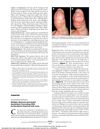 11 citations
,
December 2010 in “Archives of Dermatology”
11 citations
,
December 2010 in “Archives of Dermatology” A man with rare skin changes on his fingers was diagnosed with multiple myeloma-linked amyloidosis.
5 citations
,
August 2023 in “G3 Genes Genomes Genetics” The improved genome of the African spiny mouse will help understand its tissue regeneration abilities.
January 2009 in “IRIS UNIMORE (University of Modena and Reggio Emilia)” Neurosteroids from glia cells help control seizure development in epilepsy.
 December 2020 in “Innovation in aging”
 Rapamycin treatment helps reduce brain inflammation and symptoms of mitochondrial disease by blocking specific pathways in mice.
 1 citations
,
January 2019 in “Open Journal of Internal Medicine”
1 citations
,
January 2019 in “Open Journal of Internal Medicine” Diagnosing both systemic lupus and hemoglobinopathy is challenging due to overlapping symptoms.
 3 citations
,
December 2021 in “Frontiers in endocrinology”
3 citations
,
December 2021 in “Frontiers in endocrinology” A new mutation in the DCAF17 gene was found in a Chinese family, causing Woodhouse-Sakati syndrome and diabetes.
20 citations
,
August 2003 in “Clinical and Experimental Dermatology” A new genetic mutation in the hairless gene causes a rare hair loss disorder.
 1 citations
,
March 2018 in “BMJ case reports”
1 citations
,
March 2018 in “BMJ case reports” Dilated pupils can be an early sign of HIV/AIDS.
30 citations
,
January 1997 in “ILAR Journal” The SAM model helps understand aging and related diseases.