49 citations
,
February 2025 in “Science Advances” Biomimetic synthetic vesicles could improve precision medicine by combining natural and synthetic benefits.
32 citations
,
May 2023 in “Frontiers in Immunology” Understanding cellular interactions in VCA may lead to better treatments and reduce rejection.
88 citations
,
August 1998 in “Carcinogenesis” High levels of ODC and a mutant Ha-ras gene cause tumors in mice.
25 citations
,
June 1998 in “Journal of Investigative Dermatology” Murine cytomegalovirus does not cause alopecia areata in these mice.
 77 citations
,
August 2025 in “Signal Transduction and Targeted Therapy”
77 citations
,
August 2025 in “Signal Transduction and Targeted Therapy” Extracellular vesicles show promise for treating diseases but face challenges in development and regulation.
 November 2023 in “The journal of investigative dermatology/Journal of investigative dermatology”
 The study developed a mouse model for Alopecia Areata that responds to treatment, useful for future research.
9 citations
,
September 2023 in “Viruses” The XBB lineage of the Omicron variant spread rapidly in Southeastern Wisconsin.
 November 2011 in “APMIS. Acta pathologica, microbiologica et immunologica Scandinavica./APMIS”
 Polyomavirus A2 infection in newborn mice caused hair follicle tumors.
January 2026 in “Pediatrics International” Live vaccines can be safely given to infants with a FOXN1 variant if their immune function improves over time.
 1 citations
,
November 2011 in “Journal of AIDS & Clinical Research”
1 citations
,
November 2011 in “Journal of AIDS & Clinical Research” Raltegravir may cause hair loss in some patients.
 6 citations
,
January 2011 in “Journal of pediatric endocrinology & metabolism/Journal of pediatric endocrinology and metabolism”
6 citations
,
January 2011 in “Journal of pediatric endocrinology & metabolism/Journal of pediatric endocrinology and metabolism” An 11-year-old Greek girl was diagnosed with a rare genetic disorder, highlighting the importance of genetic testing and family history.
 8 citations
,
December 2020 in “The FASEB Journal”
8 citations
,
December 2020 in “The FASEB Journal” Blocking adenosine A2B receptor may prevent or treat hearing loss.
Avicennia marina extract can significantly promote hair growth in androgenic alopecia patients.
June 2025 in “Basrah Journal of veterinary Research” Vaccination and hygiene are key to preventing Feline Calicivirus in cats.
 2 citations
,
December 2008 in “Clinical and Experimental Dermatology”
2 citations
,
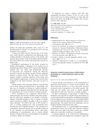
December 2008 in “Clinical and Experimental Dermatology” A small forehead lesion led to the discovery of a significant brain arteriovenous malformation in a young girl.
1 citations
,
January 2019 in “British Poultry Science” VEGF and VEGFR-2 genes influence feather maturity, and specific genetic markers can improve chicken breeding.
 January 2026 in “Dermatology Online Journal”
 COVID-19 vaccination may be linked to alopecia areata, especially in young adults.
20 citations
,
January 2002 in “Laboratory Animals” Mutations in the hairless gene cause hair loss and skin cysts in rhesus macaques.
17 citations
,
January 2025 in “Journal of Nanobiotechnology” Bacterial extracellular vesicles could revolutionize regenerative medicine but need safety improvements.
1 citations
,
August 2020 in “bioRxiv (Cold Spring Harbor Laboratory)” Extracellular vesicles from amniotic fluid stem cells can improve underdeveloped fetal lungs.
 April 2026 in “Human Genome Variation”
 The MBTPS2 gene variant c.970+5G>A is a common mutation causing IFAP syndrome.
2 citations
,
October 2025 in “Antimicrobial Agents and Chemotherapy” Cepharanthine can block enterovirus entry and protect against infection.
10 citations
,
November 1946 in “Journal of the American Medical Association” Severe vitamin deficiencies in children can cause significant hair problems.
December 2013 in “Pump Industry Analyst” The method effectively delivers vaccines through the skin without needles.
 1 citations
,
May 2019 in “Cytotherapy”
1 citations
,
May 2019 in “Cytotherapy” The new ddPCR method reliably detects unwanted viruses in CAR-T cell products, ensuring their safety for patients.
February 2024 in “Pharmaceutics” Microneedles with extracellular vesicles show promise for treating various conditions with targeted delivery.

A new AIRE gene mutation causes rare autoimmune symptoms in a Lebanese boy.
April 2019 in “Journal of Investigative Dermatology” The humanized AA mouse model is better for testing new alopecia areata treatments.
August 2025 in “Al-Iraqia Medical College Journal” Virus infection risk is linked to heat tolerance and size, but decreases with high humidity and mutation rates.
 7 citations
,
July 2020 in “Immunological Investigations”
7 citations
,
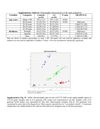
July 2020 in “Immunological Investigations” The rs231775 genetic variant is linked to a higher risk and severity of Alopecia Areata in males.