 August 2023 in “British journal of dermatology/British journal of dermatology, Supplement”
 Rubbing or pressing on the face can cause small bumps, and changing posture along with certain creams can improve them.
1 citations
,
November 2014 in “Actas dermo-sifiliográficas/Actas dermo-sifiliográficas” 99 citations
,
July 2005 in “Ultramicroscopy” The research improved understanding of hair and skin properties across different ethnicities and conditions.
 32 citations
,
April 2013 in “Anais Brasileiros de Dermatologia”
32 citations
,
April 2013 in “Anais Brasileiros de Dermatologia” The document concludes that inherited epidermolysis bullosa is a challenging genetic condition requiring multidisciplinary care and new treatments.
 3 citations
,
July 2018 in “Elsevier eBooks”
3 citations
,
July 2018 in “Elsevier eBooks” Erosive pustular dermatosis of the scalp is a rare condition that causes scarring hair loss, mainly in older women, and requires ongoing treatment.
 65 citations
,
March 2018 in “Journal of Dermatological Science”
65 citations
,
March 2018 in “Journal of Dermatological Science” Skin problems can be caused or worsened by physical forces and pressure on the skin.
 January 2023 in “Indian dermatology online journal”
 Skin problems after waxing led to a sarcoidosis diagnosis.
January 2015 in “International Journal of Clinical & Medical Imaging” Recognizing erosive pustular dermatosis of the scalp is crucial to avoid misdiagnosis.
March 2004 in “Journal of Investigative Dermatology” Razor bumps are linked to a genetic variant, misoprostol helps erythromelalgia pain, steroid ointments don't affect skin rhythms, and certain antibodies are common in localized scleroderma.
 55 citations
,
June 2013 in “Dermatologic Surgery”
55 citations
,
June 2013 in “Dermatologic Surgery” Ablative fractional resurfacing could improve how well topical drugs penetrate the skin, but more research is needed to fine-tune the method.
July 2011 in “Journal of Pediatric and Adolescent Gynecology” A 15-year-old girl has a skin condition causing blisters on her feet, likely inherited from her family.
 17 citations
,
January 2003 in “Skinmed”
17 citations
,
January 2003 in “Skinmed” Athletes can experience various skin injuries from physical activity and environmental factors, and performance-enhancing drugs can also negatively affect their skin.
3 citations
,
July 2025 in “Acta Biomaterialia” Murine skin wounds become less stiff over time as they heal.
189 citations
,
July 2009 in “The Journal of clinical investigation/The journal of clinical investigation” Epidermolysis bullosa simplex causes easily blistered skin due to faulty skin cell proteins, leading to new treatment ideas.
Ablative CO2 laser resurfacing tightens skin by destroying and regenerating skin layers.
December 2019 in “Saintika Medika” A woman with lupus also developed a severe skin condition linked to a genetic factor.
 5 citations
,
June 2024 in “Developmental Cell”
5 citations
,
June 2024 in “Developmental Cell” Activating TRPV1 can boost hair growth by involving neurons, macrophages, and fibroblasts.
9 citations
,
August 2024 in “International Journal of Molecular Sciences” Promising treatments for EBS include anti-inflammatory drugs, antibiotics, creams, mTOR inhibitors, and gene editing, but more trials are needed.
13 citations
,
February 1980 in “Journal of Cutaneous Pathology” Rubbing seborrheic keratoses causes specific skin changes and may link them to hair follicles.
34 citations
,
July 2013 in “Clinical Cosmetic and Investigational Dermatology” Erosive pustular dermatosis is a rare skin disease that's hard to treat and affects the scalp or legs.
 2 citations
,
August 2012 in “Journal of the American Academy of Dermatology”
2 citations
,
August 2012 in “Journal of the American Academy of Dermatology” Two patients with the same genetic mutation had both blistering skin and easily pulled out hair.
97 citations
,
January 2005 in “Wear” Human hair and skin friction vary by ethnicity, hair type, and environmental conditions.
8 citations
,
January 2019 in “JAAD Case Reports” EPDS can cause recurring scalp sores and hair loss if not treated.
7 citations
,
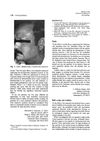
March 2023 in “JEADV. Journal of the European Academy of Dermatology and Venereology/Journal of the European Academy of Dermatology and Venereology” January 2005 in “Digest of the World Core Medical Journals” Oral zinc gluconate and topical steroids significantly improved a rare scalp condition in three elderly patients.
 January 1989 in “Journal of The American Academy of Dermatology”
 Dr. Hanke acknowledges the success of CO₂ laser for less severe blast tattoos and suggests dermabrasion for more extensive injuries, while also discussing dermatology's media presence and issues with minoxidil research.
5 citations
,
January 2018 in “Indian Journal of Dermatology/Indian journal of dermatology” A woman got a skin rash from taking aceclofenac, which went away after she stopped the drug.
187 citations
,
May 1979 in “British Journal of Dermatology” Topical steroids can manage chronic scalp pustules in elderly women.
December 1972 in “Archives of Dermatology” The girl has an inflammatory type of scarring hair loss.
 9 citations
,
May 2005 in “Annales de dermatologie et de vénéréologie”
9 citations
,
May 2005 in “Annales de dermatologie et de vénéréologie” Oral zinc and topical steroids can effectively treat chronic scalp pustules and hair loss in elderly patients.