January 2021 in “Clinical dermatology review” Teledermatology is crucial and effective for remote skin care in India.
 December 2020 in “Research Square (Research Square)”
 The AndroCoV Clinical Scoring is a quick, affordable, and accurate method for diagnosing COVID-19.
 January 2020 in “International Journal of Research in Pharmacy and Chemistry”
 A reliable method was created to measure dutasteride and related molecules in capsules.
January 2020 in “Proyecto de investigación:” Longer anogenital distance may indicate a higher chance of having polycystic ovary syndrome, and measuring this distance along with hormone levels could improve diagnosis.
August 2019 in “RIUnB Institutional Repository (University of Brasília)” Polymeric nanoparticles with dutasteride may effectively treat hair loss by targeting hair follicles.
April 2019 in “The journal of investigative dermatology/Journal of investigative dermatology” Higher resolution images are needed to identify scarring and fine hair in alopecia.
Researchers developed a quick and accurate method to measure hormones in urine, confirming a baldness treatment's effectiveness without altering hormone levels.
 June 2018 in “Journal of Acupuncture and Meridian Studies”
 New technologies in acupuncture and biosensors show promise for better medical treatments and healing.
 January 2018 in “Skin appendage disorders”
 A woman's hair loss was correctly diagnosed as Lichen planopilaris after initial misdiagnosis, highlighting the usefulness of trichoscopy in diagnosing hair disorders.
January 2018 in “한국피부장벽학회지” DHCer levels in hair could be a biomarker for alopecia progression.
 April 2017 in “The journal of investigative dermatology/Journal of investigative dermatology”
 QMSI is a valuable method for studying drug penetration in skin tissues.
A new 3D breast tumor model helps test drug effects more accurately than traditional methods.
January 2016 in “프로그램북(구 초록집)” The revised BASP classification for hair loss is less accurate and harder to use but could still be a viable option.

Forensic hair analysis for drugs is now more reliable and accurate.
April 2015 in “The FASEB Journal” Blocking male hormones in baby rats improved memory and increased weight.
The models can help find better inhibitors for conditions like baldness and prostate disorders.
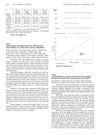 April 2013 in “The Journal of Urology”
 Researchers created a simple tool to predict bladder blockage from prostate enlargement using urine flow rate and prostate volume.
September 2012 in “European journal of psychotraumatology” A new method accurately measures long-term hormone levels in hair.
 March 2012 in “Korean Journal of Microscopy”
 Quantum dot nanoparticles can penetrate skin and reach sebocytes through hair follicles.
 January 2011 in “Healthcare Informatics Research”
 Hair loss is significantly linked to symptoms like dry hair, scalp issues, addiction to tobacco or coffee, anxiety, and digestive problems.
January 2010 in “World Clinical Drugs” The method accurately measures finasteride levels in the body.
 September 2009 in “Journal of the Dermatology Nurses’ Association”
 Hair loss significantly affects quality of life, wet combing is better than visual inspection for finding head lice, many with oral lichen planus have allergies, and wet wraps with steroids quickly improve itchy skin conditions.
January 2009 in “Yaowu fenxi zazhi” The method accurately and reliably detects residual solvents in Finasteride.
October 2008 in “Experimental and Clinical Endocrinology & Diabetes” Long-term unemployment leads to higher stress levels.
Three reliable methods were developed to measure Finasteride and Tamsulosin Hydrochloride in medicines.
January 2006 in “Analytical chemistry, an Indian journal” Two accurate methods were developed to measure finasteride in tablets.
January 2003 in “The Chinese Journal of Clinical Pharmacology” The method accurately measures finasteride in plasma and is suitable for clinical use.
January 1992 in “Journal of Oriental Neuropsychiatry” People with schizophrenia have lower zinc, copper, and chromium in their hair.
November 2021 in “Frontiers in Genetics” The FAW-FS algorithm improves depression recognition, and psychological interventions help AGA patients' mental health.
The modified Sinclair scale effectively measures hair loss severity in men.