13 citations
,
June 2011 in “PubMed” The patient improved significantly after treatment, with only one small scar remaining.
 5 citations
,
January 2016 in “Skin appendage disorders”
5 citations
,
January 2016 in “Skin appendage disorders” A rare skin condition called linear lichen planopilaris caused itchy red bumps and hair loss on a man's face.
July 2000 in “The Pediatric Infectious Disease Journal” Tinea faciei should be considered in neonatal vesicular lesions and confirmed with KOH examination and culture.
 December 2022 in “Research Square (Research Square)”
 Isotretinoin treatment increases p53 levels in the skin, which may explain its effectiveness against acne.
 May 2022 in “Research Square (Research Square)”
 Isotretinoin treatment increases p53 levels in the skin, which may explain its effectiveness against acne.
 January 2023 in “Indian dermatology online journal”
 Skin problems after waxing led to a sarcoidosis diagnosis.
 4 citations
,
June 2021 in “Wounds-a Compendium of Clinical Research and Practice”
4 citations
,
June 2021 in “Wounds-a Compendium of Clinical Research and Practice” Chronic scalp lesions with crusts and pus that heal with strong topical steroids suggest Erosive Pustular Dermatosis, confirmed by biopsy showing specific immune cells.
 9 citations
,
January 2017 in “Dermatology Online Journal”
9 citations
,
January 2017 in “Dermatology Online Journal” Some hair loss drugs can cause a unique type of hair loss that resembles both psoriasis and alopecia.
 May 2025 in “Medical Journal of Dr D Y Patil Vidyapeeth”
 Low-dose isotretinoin and erythromycin effectively treated hair loss in two young sisters.
 1 citations
,
October 2019 in “مجله كليه طب الكندي”
1 citations
,
October 2019 in “مجله كليه طب الكندي” Dapsone gel 5% is effective and safe for treating acne.

Kerion is a rare but serious scalp infection that needs proper treatment.
8 citations
,
January 2019 in “JAAD Case Reports” EPDS can cause recurring scalp sores and hair loss if not treated.
 2 citations
,
April 2019 in “Dermatologic Therapy”
2 citations
,
April 2019 in “Dermatologic Therapy” A patient with alopecia had hair regrowth with tofacitinib but developed a skin reaction, choosing to continue the treatment despite the side effect.
May 2024 in “Lithuanian University of Health Sciences” Many patients with hidradenitis suppurativa also have severe acne and pilonidal cysts, often linked to other health problems.
March 2023 in “Authorea (Authorea)” Early diagnosis and treatment of systemic-onset juvenile idiopathic arthritis are crucial for improvement.
71 citations
,
January 2011 in “Orphanet Journal of Rare Diseases” IFAP syndrome is a rare genetic disorder causing skin, hair, and eye issues, with limited treatment options.
 5 citations
,
January 2024 in “Journal of the American Academy of Dermatology”
5 citations
,
January 2024 in “Journal of the American Academy of Dermatology” Use benzoyl peroxide, retinoids, antibiotics, and isotretinoin for acne, and combine treatments for better results.
 9 citations
,
January 2005 in “Pediatric Dermatology”
9 citations
,
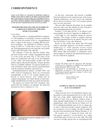
January 2005 in “Pediatric Dermatology” Fox Fordyce disease can occur in prepubertal girls and may be underdiagnosed.
 10 citations
,
May 1978 in “Acta Dermato Venereologica”
10 citations
,
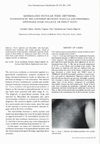
May 1978 in “Acta Dermato Venereologica” Pustules in toxic erythema are linked to hair follicles or sweat ducts.
 June 2024 in “Australasian Journal of Dermatology”
 A 13-year-old boy with a rare scalp condition improved significantly with isotretinoin, minoxidil, oral steroids, and antiseptic shampoo.
December 2025 in “Indian Journal of Dermatology” Extraction videodermoscopy is an effective, non-invasive diagnostic tool for eruptive vellus hair cysts.
5 citations
,
February 2015 in “Ophthalmic plastic and reconstructive surgery” Two new types of eyelid cysts were identified, each with different treatment challenges.
 78 citations
,
February 2011 in “Canadian Medical Association Journal”
78 citations
,
February 2011 in “Canadian Medical Association Journal” Acne treatment varies, with topical and systemic therapies effective, and more research needed on treatment order and long-term effects.
1 citations
,
January 2021 in “Journal of dermatology & dermatologic surgery” Oral isotretinoin does not cause milia in acne patients.
 April 1940 in “Archives of dermatology”
 Diagnosing and treating skin conditions is challenging, especially when drug reactions mimic other diseases.
 April 2019 in “Journal of the Dermatology Nurses’ Association”
 A 37-year-old man with hair loss and skin issues was successfully treated with oral antibiotics, highlighting the need for early treatment. Long-term care includes low-dose antibiotics and avoiding caps and wigs.
 September 2023 in “Cureus”
 Early recognition and treatment of atypical alopecia areata in infants are crucial.
 July 2022 in “Skin research and technology”
 Skin CT can help diagnose rosacea by identifying specific skin features, but should be used with clinical signs to avoid misdiagnosis.
9 citations
,
May 2013 in “European Journal of Dermatology” Dermoscopy can non-invasively detect eruptive vellus hair cysts on the labia majora.
June 2023 in “Lithuanian University of Health Sciences” Acne tarda is more common in women and those with darker skin, often linked to hormonal imbalances, and requires tailored treatment based on severity.