 24 citations
,
May 2012 in “International Journal of Dermatology”
24 citations
,
May 2012 in “International Journal of Dermatology” The document concludes that eyelash trichomegaly, which is the abnormal growth of eyelashes, can be present from birth, caused by diseases, or result from certain medications.
24 citations
,
July 2005 in “Journal of the American Academy of Dermatology” A woman's eyelashes grew thicker and longer after taking topiramate, but returned to normal when she stopped the medication.
 22 citations
,
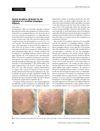
September 2004 in “Journal of The European Academy of Dermatology and Venereology”
22 citations
,
September 2004 in “Journal of The European Academy of Dermatology and Venereology” Bimatoprost can cause longer, thicker, darker eyelashes and eyebrows.
 February 2021 in “Journal of the Korean Ophthalmological Society”
 A 7-year-old girl had unusually long eyelashes with no known cause or related health issues.
4 citations
,
January 2017 in “PubMed” A girl with lupus had unusually long and thick eyelashes, a rare symptom of her condition.
 10 citations
,
February 2015 in “Clinics in Dermatology”
10 citations
,
February 2015 in “Clinics in Dermatology” The document concludes that changes in eyelashes and eyelid skin can indicate various local and systemic diseases.
15 citations
,
March 2009 in “Pediatric dermatology” A young girl developed unusually long eyelashes with a hair loss condition without other health issues or medication causes.
 January 2015 in “Turkiye Klinikleri Journal of Ophthalmology”
 Eyelash loss can indicate various health issues, and excessive growth may be linked to certain conditions or medications; both require careful examination and tailored treatment.
 38 citations
,
July 1998 in “Journal of surgical oncology”
38 citations
,
July 1998 in “Journal of surgical oncology” A woman with breast cancer developed a rare condition causing excessive fine hair growth on her face and body.
 August 2022 in “Case reports in medicine”
 Long eyelashes in a patient were an unusual sign of systemic lupus erythematosus.
 4 citations
,
July 2013 in “Journal of dermatology”
4 citations
,
July 2013 in “Journal of dermatology” Malnutrition can cause unusual eyelash growth and hair loss.
 28 citations
,
December 2007 in “Archives of ophthalmology”
28 citations
,
December 2007 in “Archives of ophthalmology” Lash ptosis is more common and severe in people with congenital eyelid droop than in those with acquired eyelid droop or without eyelid droop.
 78 citations
,
June 2005 in “Annals of oncology”
78 citations
,
June 2005 in “Annals of oncology” Cetuximab can cause excessive eyelash growth.
 2 citations
,
January 2018 in “European journal of pediatric surgery reports”
2 citations
,
January 2018 in “European journal of pediatric surgery reports” A baby girl's hair turned straight on one side due to a neck tumor and surgery, but it returned to curly as she recovered.
 4 citations
,
January 2011 in “Dermatology”
4 citations
,
January 2011 in “Dermatology” A patient grew extra hair on their ears after treatment for testicular cancer, possibly due to hormonal changes or genetics.
2 citations
,
January 2025 in “Journal of Oncology Pharmacy Practice” Pembrolizumab can cause unusual eyelash growth, but it may still be worth continuing if cancer treatment is effective.
 30 citations
,
August 2010 in “American Journal of Clinical Dermatology”
30 citations
,
August 2010 in “American Journal of Clinical Dermatology” Cetuximab can cause eyelash growth, which is rare but manageable.
 October 2021 in “International journal of basic and clinical pharmacology”
 Excessive eyelash growth from erlotinib may indicate positive tumor response and help treat madarosis.
2 citations
,
July 2019 in “Indian dermatology online journal” A 17-year-old girl and her brothers have a rare hair condition with long eyelashes, thick eyebrows, and easily pluckable hair.
 2 citations
,
September 2014 in “Journal of evolution of medical and dental sciences”
2 citations
,
September 2014 in “Journal of evolution of medical and dental sciences” Most HIV patients in the study showed skin and mucous membrane issues, with oral thrush being the most common.
May 2025 in “Dermatology Online Journal” Erlotinib can cause excessive eyelash growth.
 August 2024 in “Dermatology and Therapy”
 Vorasidenib can cause unusual hair growth.
1 citations
,
April 2015 in “International Journal of Pediatrics and Adolescent Medicine” Cyclosporine-A can cause excessive hair growth, which usually stops after discontinuing the drug.
March 2022 in “International Journal of Trichology” Erlotinib can cause unusual hair growth, like long eyelashes and facial hair.
39 citations
,
March 2009 in “Dermatology Online Journal” Erlotinib can cause persistent excessive hair growth.
136 citations
,
July 2014 in “Proceedings of the National Academy of Sciences of the United States of America” FGF5 gene mutations cause unusually long eyelashes by affecting hair growth regulation.
 7 citations
,
July 2011 in “Survey of Ophthalmology”
7 citations
,
July 2011 in “Survey of Ophthalmology” The document concludes that periocular hair disorders have various causes and treatments, and proper evaluation by specialists is important for management and prognosis.
44 citations
,
July 2013 in “Journal of the American Academy of Dermatology” Poliosis circumscripta is a patch of white hair caused by lack of melanin, linked to genetic and acquired conditions.
 November 2019 in “Harper's Textbook of Pediatric Dermatology”
 Understanding normal hair growth and loss in children is key to diagnosing and treating hair disorders.
 18 citations
,
July 2008 in “Current Oncology Reports”
18 citations
,
July 2008 in “Current Oncology Reports” EGFR cancer drugs often cause a rash, which can lead to distress and isolation, but may also improve outcomes for some cancer patients. Current treatments for the rash are limited, but a compound called menadione shows promise.