 10 citations
,
November 2024 in “Nature Reviews Cardiology”
10 citations
,
November 2024 in “Nature Reviews Cardiology” Skin conditions can signal heart issues, highlighting the need for integrated care.
5 citations
,
August 1981 in “Archives of Dermatology” Alopecia areata may be caused by the immune system attacking hair follicles.
April 2011 in “www.virtualization.info” Early diagnosis of trachyonychia improves treatment and reduces psychological and cosmetic issues.
 68 citations
,
May 2011 in “European Journal of Dermatology”
68 citations
,
May 2011 in “European Journal of Dermatology” Acne is caused by genetics, diet, hormones, and bacteria, with treatments not yet curative.
 December 2023 in “Asian journal of medical sciences”
 Psoriasis is the most common cause of erythroderma, and proper medical follow-up is crucial.
 12 citations
,
October 1995 in “The Journal of Clinical Endocrinology & Metabolism”
12 citations
,
October 1995 in “The Journal of Clinical Endocrinology & Metabolism” Skin changes can indicate hormonal imbalances and help diagnose endocrine disorders.
 June 2024 in “Australasian Journal of Dermatology”
 A 13-year-old boy with a rare scalp condition improved significantly with isotretinoin, minoxidil, oral steroids, and antiseptic shampoo.
 January 2023 in “Karger Kompass. Dermatologie”
 Scientists are still unsure what triggers the immune system to attack hair follicles in Alopecia areata.
6 citations
,
November 2020 in “JAAD Case Reports” Tofacitinib may help treat both alopecia areata and inflammatory bowel disease.
10 citations
,
November 2016 in “Clinical and experimental dermatology” PAS III can cause multiple autoimmune diseases with noticeable skin issues.
 February 2020 in “International Journal of Research in Dermatology”
 EPDS is a rare, chronic scalp condition that's hard to treat and needs better awareness for improved outcomes.
2 citations
,
September 2024 in “Internal Medicine Journal” Upadacitinib helped regrow hair and maintain ulcerative colitis remission.
 January 2023 in “Bio web of conferences/BIO web of conferences”
 The document concludes that specific dermoscopic features can help diagnose different facial red skin conditions.
January 2026 in “Case Reports in Dermatological Medicine” Intralesional steroids effectively treated a young female's scalp nodules without recurrence.
January 2020 in “Dermatology Review” Early diagnosis and treatment are crucial for managing alopecia areata, morphea, and psoriasis.
 1 citations
,
July 2018 in “Elsevier eBooks”
1 citations
,
July 2018 in “Elsevier eBooks” FAPD and possibly CCCA may be AGA subtypes, and treatments combining antiandrogens, hair growth agents, hair transplants, and anti-inflammatories could be effective.
23 citations
,
August 1987 in “PubMed” The ferret had hyperadrenocorticism and other health issues like heart, liver, and kidney problems.
19 citations
,
April 2019 in “Veterinary dermatology” Oclacitinib effectively treated a skin condition in dogs that didn't respond to other immunosuppressants.
5 citations
,
October 2012 in “The Journal of Dermatology” Traumatic panniculitis can cause increased hair growth in affected areas.
8 citations
,
July 2020 in “Dermatologic Therapy” Tofacitinib may effectively treat folliculitis decalvans.
 1 citations
,
June 2012 in “Actas Dermo-Sifiliográficas”
1 citations
,
June 2012 in “Actas Dermo-Sifiliográficas” Early and aggressive treatment of scarring alopecia is important to prevent further hair follicle damage.
 April 2023 in “Journal of Investigative Dermatology”
 Skin cells and immune cells change in a skin condition called hidradenitis suppurativa, and a certain treatment can improve these changes.
2 citations
,
November 2007 in “Clinics in dermatology” Tofacitinib may be an effective and safe treatment for adolescent alopecia areata.
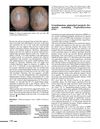 8 citations
,
July 2018 in “European Journal of Dermatology”
8 citations
,
July 2018 in “European Journal of Dermatology” A medication may help with hair growth in psoriasis, and a skin condition might be linked to a specific bacteria.
January 2022 in “Indian dermatology online journal” A baby with a skin condition improved with treatment but developed a rare form of the condition affecting only his trunk.
26 citations
,
September 2009 in “Clinical genetics” Arab APS1 patients have unique and recurrent AIRE gene mutations.
 18 citations
,
August 2012 in “Cutaneous and Ocular Toxicology”
18 citations
,
August 2012 in “Cutaneous and Ocular Toxicology” People with alopecia areata have higher insulin resistance.
1 citations
,
February 2014 in “Italian journal of medicine” An 80-year-old woman with Cronkhite-Canada syndrome had multiple polyps and symptoms like diarrhea, hair loss, nail issues, and dark skin.
164 citations
,
November 1989 in “Clinical and Experimental Dermatology” Juvenile alopecia areata is more severe and has a worse prognosis than maturity-onset alopecia areata.
1 citations
,
February 1938 in “Archives of Dermatology” The woman's hair loss might be due to a chronic infection.