 74 citations
,
July 2010 in “The Journal of Clinical Endocrinology & Metabolism”
74 citations
,
July 2010 in “The Journal of Clinical Endocrinology & Metabolism” Treatment of acromegaly can improve women's reproductive health issues caused by hormonal imbalances or tumors.
 66 citations
,
August 1999 in “The Journal of Clinical Endocrinology & Metabolism”
66 citations
,
August 1999 in “The Journal of Clinical Endocrinology & Metabolism” Women with acromegaly often have irregular periods due to hormone imbalances and growth hormone effects.
 13 citations
,
June 2006 in “Pituitary”
13 citations
,
June 2006 in “Pituitary” A woman with acromegaloidism and normal growth hormone levels had a rare X-Tetrasomy, suggesting a need to study X-chromosome genes for their role in growth and facial development.
 9 citations
,
September 2012 in “Clinical Endocrinology”
9 citations
,
September 2012 in “Clinical Endocrinology” More than half of patients who had acromegaly surgery experienced hair loss, with varying degrees of recovery.
 6 citations
,
October 2015 in “Clinical Case Reports”
6 citations
,
October 2015 in “Clinical Case Reports” A woman with acromegaly experienced severe hair loss from a drug called Lanreotide Autogel, which improved after stopping the treatment.
 6 citations
,
January 2013 in “Case reports in endocrinology”
6 citations
,
January 2013 in “Case reports in endocrinology” The document concludes that AFA should be considered in patients with acromegaly-like features but normal hormone levels, and more cases need to be identified to understand the condition fully.
 October 2020 in “Clinical and Experimental Dermatology”
 Hair loss improved after removing pituitary tumor.
April 2020 in “Journal of the Endocrine Society” Type 3 acromegaly patients have more health issues and higher death risk.
3 citations
,
May 2002 in “PubMed” The document concludes that treatment for excessive hair growth depends on the cause, with options including hair removal methods and medications like anti-androgens or insulin-sensitizing drugs.
23 citations
,
June 2016 in “Journal of Veterinary Internal Medicine” Cats can have hypersomatotropism without diabetes, suggesting current diagnosis methods may miss cases.
2 citations
,
December 2024 in “Clinical Endocrinology” PCOS symptoms can improve with specific treatments for pituitary adenomas.
 1 citations
,
March 2011 in “Infertility”
1 citations
,
March 2011 in “Infertility” Hormone imbalances from the pituitary, thyroid, and adrenal glands can cause infertility, but treating these disorders can improve fertility.
 January 2016 in “Dermatology Review”
 Endocrine disorders can cause various skin and hair issues.
 24 citations
,
May 2010 in “Hautarzt”
24 citations
,
May 2010 in “Hautarzt” Different hormones affect hair growth and conditions, with some causing hair loss and others promoting it.
14 citations
,
December 2021 in “International journal of molecular sciences” Growth hormone levels affect hair growth and loss, with too much causing excess hair and too little leading to hair loss.
 14 citations
,
January 2018 in “Endocrine”
14 citations
,
January 2018 in “Endocrine” Cantú syndrome may be linked to pituitary adenomas.
 12 citations
,
October 1995 in “The Journal of Clinical Endocrinology & Metabolism”
12 citations
,
October 1995 in “The Journal of Clinical Endocrinology & Metabolism” Skin changes can indicate hormonal imbalances and help diagnose endocrine disorders.
 7 citations
,
October 2012 in “S. Karger AG eBooks”
7 citations
,
October 2012 in “S. Karger AG eBooks” Some conditions mimic PCOS symptoms and need careful diagnosis to treat potentially serious health issues.
4 citations
,
November 2019 in “Harper's Textbook of Pediatric Dermatology” Endocrine diseases in children can cause various skin and hair changes.
 4 citations
,
January 2015 in “Türk Patoloji Dergisi”
4 citations
,
January 2015 in “Türk Patoloji Dergisi” Hormone imbalances from endocrine diseases can cause various skin conditions that help diagnose and treat these diseases early.
 4 citations
,
May 2008 in “Clinics in Dermatology”
4 citations
,
May 2008 in “Clinics in Dermatology” Skin problems can indicate different diseases inside the body.
 3 citations
,
November 2005 in “Women's health”
3 citations
,
November 2005 in “Women's health” Excessive body hair in women can be caused by various conditions and treated with medication like Diane® 35 or androgen blockers.
 1 citations
,
August 2021 in “Педиатр”
1 citations
,
August 2021 in “Педиатр” Endocrine diseases in children often cause skin changes like dryness, redness, acne, hair loss, and more.
 41 citations
,
June 2003 in “Journal of The American Academy of Dermatology”
41 citations
,
June 2003 in “Journal of The American Academy of Dermatology” Long-term minoxidil use can cause pseudoacromegaly, but stopping it improves symptoms.
 86 citations
,
October 2017 in “Translational pediatrics”
86 citations
,
October 2017 in “Translational pediatrics” Skin changes can help diagnose and manage endocrine disorders like thyroid problems, diabetes, and adrenal gland conditions.
 August 2024 in “Skin Appendage Disorders”
 Long-term use of high-dose topical minoxidil can cause thickened, ridged scalp.
March 2021 in “Der Hautarzt” Neuroendocrine paraneoplastic syndromes often show skin changes, helping early diagnosis and requiring a team approach for best care.
 68 citations
,
September 2003 in “British Journal of Dermatology”
68 citations
,
September 2003 in “British Journal of Dermatology” Shrinking skin cancer increases the chance of cancer in nearby lymph nodes.
 October 2024 in “Journal of the Endocrine Society”
 Ayme-Gripp Syndrome was confirmed in a woman through genetic testing, highlighting the need to consider rare genetic conditions in diagnoses.
 1 citations
,
February 1988 in “The BMJ”
1 citations
,
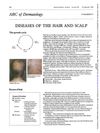
February 1988 in “The BMJ” The document explains different hair and scalp conditions, including common hair loss after pregnancy or illness, drug-induced hair loss, hereditary excessive hair growth, patterned baldness, autoimmune hair loss, and permanent loss due to skin disease, with generally limited treatment options.