8 citations
,
January 2013 in “International journal of trichology” Two people had unusual ring-shaped hair loss due to an autoimmune disorder.
30 citations
,
September 2014 in “Journal of Investigative Dermatology” Blocking Sonic Hedgehog signaling may help manage hair loss from chemotherapy.
127 citations
,
January 2000 in “Journal of Investigative Dermatology” Cytotoxic T cells cause hair loss in chronic alopecia areata.
March 2007 in “International Journal of Cosmetic Science” Hair with more melanin resists weather damage better.
January 2025 in “Dermatologic Therapy” Oxidative stress damages hair follicles and worsens hair loss in androgenetic alopecia.
 61 citations
,
January 2013 in “Indian Journal of Dermatology, Venereology and Leprology”
61 citations
,
January 2013 in “Indian Journal of Dermatology, Venereology and Leprology” Hair usually grows back 1-3 months after treatment for anagen effluvium, and children with Loose Anagen Hair Syndrome often improve by adolescence.
5 citations
,
July 2010 in “Archives of Internal Medicine” Prostaglandins may protect hair follicles during chemotherapy.
December 2009 in “Expert review of dermatology” Vitamin D may help protect against nonmelanoma skin cancer.
February 2022 in “DOAJ (DOAJ: Directory of Open Access Journals)” Retinoic acid reduces cell damage from oxidative stress.
July 2024 in “Journal of Investigative Dermatology” Taxane chemotherapy can cause permanent hair loss by damaging hair follicles and altering their DNA.
August 2021 in “Journal of advances in medicine and medical research” Excimer light therapy is more effective than low level laser therapy for treating alopecia areata.
30 citations
,
February 1977 in “Nature” The dermal papilla can still grow new hair even after heavy radiation.
6 citations
,
October 2006 in “International Journal of Dermatology” Hair splitting and nail detachment are linked conditions.
 September 2023 in “Curēus”
 Alopecia areata may be linked to hearing problems, so patients should monitor their hearing.
July 2025 in “Journal of Investigative Dermatology” Some sunscreen ingredients may be linked to hair loss, but more research is needed.
 April 2023 in “The journal of investigative dermatology/Journal of investigative dermatology”
 Damaged hair follicle stem cells may leave the skin to help maintain youthfulness.

Aluminum phosphide poisoning can cause horizontal nail grooves and hair loss.
 January 2016 in “SpringerBriefs in bioengineering”
 Genetic defects and UV radiation cause skin damage and aging.
 1 citations
,
April 2016 in “The American Journal of the Medical Sciences”
1 citations
,
April 2016 in “The American Journal of the Medical Sciences” The document concludes that doctors should check for frontal fibrosing alopecia in patients with acquired hyperpigmentation and that early treatment is important.
 September 2017 in “Journal of Investigative Dermatology”
 Aging causes sweat glands to shrink, leading to skin issues, and blue light can help hair grow.
 August 2023 in “Journal of The American Academy of Dermatology”
 Early treatment is key for permanent hair loss disorders, with options ranging from medications and phototherapy to immunomodulators and antibiotics, depending on severity and type.
Different types of sun exposure damage skin cells and immune cells, with chronic exposure leading to more severe and lasting damage.
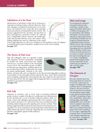 May 2015 in “Journal of Investigative Dermatology”
 Melanoma risk tools need improvement, a gene mutation causes a hair disorder that might be treated by managing cell stress, a potential therapy for a skin-ear disorder involves blocking cell channels, skin wrinkling may indicate lung aging regardless of smoking, and oxidative stress might contribute to common baldness.
8 citations
,
April 1981 in “American Journal of Orthodontics” Orthodontic appliances can cause hair loss due to pressure.
 8 citations
,
April 2013 in “Journal of The American Academy of Dermatology”
8 citations
,
April 2013 in “Journal of The American Academy of Dermatology” Some breast cancer patients treated with high-dose docetaxel may experience permanent hair loss.
 April 2024 in “JEADV. Journal of the European Academy of Dermatology and Venereology/Journal of the European Academy of Dermatology and Venereology”
 Retinoic acid helps activate hair growth in people with common hair loss by working on a specific cell growth pathway.
November 2013 in “Institutional Repositories DataBase (IRDB)” Gamma-ray exposure during hair rest phase harms hair growth and color in mice.
Combining excimer lamp and tofacitinib gel may help treat hair loss in children.
11 citations
,
October 2020 in “PLoS ONE” Cooling can protect hair follicles from chemotherapy damage by reducing drug uptake.
 126 citations
,
January 2009 in “International Journal of Trichology”
126 citations
,
January 2009 in “International Journal of Trichology” Oxidative stress contributes to hair graying and loss as we age.