48 citations
,
June 2003 in “Journal of Investigative Dermatology Symposium Proceedings” Contact sensitizers like DCP and SADBE are the most effective treatments for alopecia areata.
 2 citations
,
November 2018 in “International Journal of Cosmetic Science”
2 citations
,
November 2018 in “International Journal of Cosmetic Science” Chamomile extract can protect hair from damage caused by light.
Corticosteroids and topical irritants are used to treat alopecia areata.
 1 citations
,
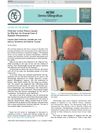
April 2016 in “Actas Dermo-Sifiliográficas”
1 citations
,
April 2016 in “Actas Dermo-Sifiliográficas” Wearing a wig caused a woman's skin condition to worsen due to pressure from the wig's fasteners.
 September 2015 in “British Journal of Dermatology”
 Most clinicians follow discharge guidelines, many lupus patients don't use sunscreen regularly, dithranol is effective for psoriasis, biopsy methods should be based on lesion type, voriconazole may raise skin cancer risk, a new scale can help diagnose female hair loss early, and most melanomas may develop from existing moles.
39 citations
,
January 2017 in “Dermatologic Therapy” Topical calcipotriol may help treat alopecia areata, especially in those with low vitamin D.
September 2024 in “Dermatology Reports” Sonidegib often causes hair loss, and LC-OCT helps identify early signs.
 13 citations
,
January 2014 in “Dermatology”
13 citations
,
January 2014 in “Dermatology” Radiation-induced alopecia after angioembolization usually heals on its own and can look like other hair loss types, but patient history helps prevent misdiagnosis.
18 citations
,
July 2001 in “International Journal of Dermatology” A 12-year-old boy's hair loss and skin issues improved significantly with medication.
 June 2023 in “Zenodo (CERN European Organization for Nuclear Research)”
 Inflammation in hair follicles is a key risk factor for developing common baldness.