Combining excimer lamp and tofacitinib gel may help treat hair loss in children.
 10 citations
,
August 1991 in “PubMed”
10 citations
,
August 1991 in “PubMed” Inflammation, possibly triggered by a specific bacteria and activated by UV radiation, may contribute to male pattern baldness.
 March 1988 in “Journal of The American Academy of Dermatology”
 The document concludes that misdiagnosis in skin conditions is common, certain treatments can cause allergic reactions, and some skin symptoms are linked to leukemia, especially in certain Japanese regions.
 August 2024 in “Journal of Dermatology & Cosmetology”
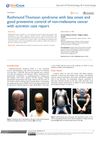
 Acitretin effectively prevented skin cancer in a patient with late-onset Rothmund-Thomson syndrome.
 11 citations
,
May 2010 in “Annals of the Academy of Medicine Singapore”
11 citations
,
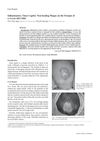
May 2010 in “Annals of the Academy of Medicine Singapore” Tinea capitis can cause scalp issues in children and should be considered in similar cases; treatment with griseofulvin and selenium sulfide is effective.
1 citations
,
August 2010 in “Optometry and Vision Science” A 4-year-old boy's vision and hair loss were likely caused by inflammation.
65 citations
,
November 2008 in “Pediatric Dermatology” Phototherapy is effective and well-tolerated for treating childhood psoriasis and pityriasis lichenoides chronica.
January 2022 in “Skin Appendage Disorders” Areata-like lupus can mimic alopecia areata but is a form of cutaneous lupus erythematosus.
 November 2014 in “Prescriber”
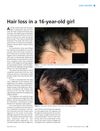
 The 16-year-old girl with hair loss was successfully treated for alopecia areata, leading to significant hair regrowth.
October 2012 in “Indian Journal of Dermatology, Venereology and Leprology”  October 2015 in “Reactions Weekly”
 A woman got a scalp condition from using latanoprost, but it improved after stopping the drug and starting other treatments.
63 citations
,
April 1985 in “Journal of the American Academy of Dermatology” Topical PUVA can cause temporary hair regrowth in some alopecia areata patients but doesn't change the long-term outcome.
71 citations
,
December 2013 in “The journal of investigative dermatology. Symposium proceedings/The Journal of investigative dermatology symposium proceedings” There are no FDA-approved treatments for Alopecia Areata, and current options have varying success and relapse rates.
 3 citations
,
January 1988 in “PubMed”
3 citations
,
January 1988 in “PubMed” The review found that basal cell carcinomas on the scalp are not more aggressive than those in other locations.
5 citations
,
July 2018 in “Skin appendage disorders” Sunscreen spray on the scalp may be linked to a type of scarring hair loss.
10 citations
,
May 1991 in “Journal of the American Academy of Dermatology” 39 citations
,
January 2017 in “Dermatologic Therapy” Topical calcipotriol may help treat alopecia areata, especially in those with low vitamin D.
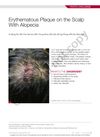
The woman has a scalp condition causing hair loss.
109 citations
,
November 1987 in “Archives of dermatology” Anthralin cream helped 25% of patients with severe alopecia areata regrow hair, but caused skin irritation.
23 citations
,
June 1977 in “Clinical and experimental dermatology” Pityriasis amiantacea is likely linked to eczema-related skin changes.
February 2021 in “Journal of the European Academy of Dermatology and Venereology” Alopecia areata is linked to more chronic illnesses, a specific lamp helps with notalgia paresthetica itch, pycnogenol aids melasma treatment, and dupilumab improves severe atopic dermatitis in children.
 September 2015 in “British Journal of Dermatology”
 Most clinicians follow discharge guidelines, many lupus patients don't use sunscreen regularly, dithranol is effective for psoriasis, biopsy methods should be based on lesion type, voriconazole may raise skin cancer risk, a new scale can help diagnose female hair loss early, and most melanomas may develop from existing moles.
 12 citations
,
January 2011 in “Photodermatology, photoimmunology & photomedicine”
12 citations
,
January 2011 in “Photodermatology, photoimmunology & photomedicine” This therapy effectively treats resistant alopecia areata with minimal side effects.
 December 2024 in “Indian Journal of Dermatology”
 Dermoscopy is useful for diagnosing Atrichia with Papular Lesions in children without needing a biopsy.
January 1985 in “Clinical research” Topical alpha-terthienyl with UVA may safely treat psoriasis without cancer risk.
1 citations
,
October 2020 in “Cermin Dunia Kedokteran” A boy's scalp rash and baldness were cured using oral medication and medicated shampoo.
June 2023 in “British Journal of Dermatology” Facial lichen planopilaris may be triggered by shaving and mustard oil, and early detection is crucial for better treatment outcomes.
18 citations
,
April 2010 in “Archives of Dermatology” Psoriasis or contact dermatitis can override alopecia areata, allowing hair growth.
 April 2019 in “The journal of investigative dermatology/Journal of investigative dermatology”
 High potency topical steroids are the most effective treatment for pediatric alopecia areata.
1 citations
,
April 2024 in “Russian Journal of Clinical Dermatology and Venereology” Atopic diseases worsen alopecia areata, leading to earlier onset and more severe forms.