 29 citations
,
January 2018 in “International Journal of Trichology”
29 citations
,
January 2018 in “International Journal of Trichology” PRP treatment helps hair growth and density with 70.7% success, but more research needed.
 9 citations
,
September 2019 in “Journal of Cosmetic Dermatology”
9 citations
,
September 2019 in “Journal of Cosmetic Dermatology” PRP injections improve hair density in male hair loss.
 November 2021 in “International Journal for Research in Applied Science and Engineering Technology”
 Lyophilized platelet-rich plasma is beneficial and effective for various medical treatments, including tissue regeneration and hair regrowth.
 348 citations
,
July 2017 in “Skin appendage disorders”
348 citations
,
July 2017 in “Skin appendage disorders” Platelet-rich plasma shows promise for skin and hair treatments but needs more research and standardization.
 16 citations
,
March 2020 in “Facial Plastic Surgery Clinics of North America”
16 citations
,
March 2020 in “Facial Plastic Surgery Clinics of North America” Platelet-Rich Plasma (PRP), a substance from a patient's own blood, can stimulate hair regrowth in people with Androgenetic Alopecia (AGA) who haven't had success with other treatments, but more research is needed to optimize its use.
 12 citations
,
June 2018 in “Journal of Cosmetic Dermatology”
12 citations
,
June 2018 in “Journal of Cosmetic Dermatology” PRP is effective for hair loss and might work better with other treatments, but more research is needed.
 6 citations
,
March 2021 in “Journal of Cosmetic Dermatology”
6 citations
,
March 2021 in “Journal of Cosmetic Dermatology” PRP injections promote hair growth and increase hair density in androgenic alopecia.
 3 citations
,
March 2023 in “National Journal of Health Sciences”
3 citations
,
March 2023 in “National Journal of Health Sciences” Platelet Rich Plasma (PRP) therapy may help heal diabetic foot ulcers.
 1 citations
,
June 2018 in “Advances in Cosmetic Surgery”
1 citations
,
June 2018 in “Advances in Cosmetic Surgery” PRP might help with hair growth and skin rejuvenation, but more research is needed to prove its effectiveness.
 July 2021 in “PARIPEX INDIAN JOURNAL OF RESEARCH”
 PRP injections significantly improve hair regrowth in alopecia areata.

New treatments for hair loss show promise, including plasma, stem cells, and hair-stimulating complexes, but more research is needed to fully understand them.
 March 2021 in “British Journal of Dermatology”
 PRP helps hair regrowth and thickness.
 136 citations
,
April 2016 in “Dermatologic Surgery”
136 citations
,
April 2016 in “Dermatologic Surgery” PRP treatment helps hair growth and density in androgenetic alopecia patients.
 107 citations
,
August 2014 in “Dermatologic Surgery”
107 citations
,
August 2014 in “Dermatologic Surgery” PRP injections improve hair thickness for baldness.
 27 citations
,
July 2017 in “Facial Plastic Surgery”
27 citations
,
July 2017 in “Facial Plastic Surgery” Platelet-Rich Plasma (PRP) shows promise for hair growth and skin improvement in aesthetic surgery.
 23 citations
,
June 2018 in “Facial Plastic Surgery”
23 citations
,
June 2018 in “Facial Plastic Surgery” Platelet-Rich Plasma (PRP) is a low-risk treatment for Androgenic Alopecia (AGA) that generally improves hair count or density, but more research is needed for optimization.
 11 citations
,
January 2019 in “Dermatologic Therapy”
11 citations
,
January 2019 in “Dermatologic Therapy” Not enough evidence to support using platelet rich plasma for hair loss treatment.
 5 citations
,
April 2017 in “Dermatologic Surgery”
5 citations
,
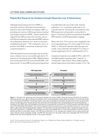
April 2017 in “Dermatologic Surgery” PRP treatment satisfies 58% of female hair loss patients, with most noticing fuller, thicker hair and less shedding.
 3 citations
,
August 2019 in “Journal of The American Academy of Dermatology”
3 citations
,
August 2019 in “Journal of The American Academy of Dermatology” PRP with microneedling is generally safe but can cause minor side effects like scalp itching, temporary hair shedding, and swollen lymph nodes.
 August 2025 in “Research Square (Research Square)”
 High TNF-α levels may increase hair loss risk after PRP therapy.
 January 2019 in “Georg Thieme Verlag eBooks”
 Platelet-Rich Plasma (PRP) therapy can effectively treat various hair loss conditions, improve hair count, thickness, and density, and potentially speed up results when combined with surgical techniques.
 December 2022 in “Journal of Dermatology Research”
 Platelet Rich Plasma (PRP) treatment significantly improved Female Pattern Hair Loss in a study, but more trials are needed for confirmation.
 164 citations
,
January 2014 in “Journal of Cutaneous and Aesthetic Surgery”
164 citations
,
January 2014 in “Journal of Cutaneous and Aesthetic Surgery” PRP injections increase hair density and satisfaction in androgenetic alopecia patients.
 115 citations
,
January 2014 in “Journal of Cutaneous and Aesthetic Surgery”
115 citations
,
January 2014 in “Journal of Cutaneous and Aesthetic Surgery” Platelet-rich plasma (PRP) is a cheap and easy treatment for hair loss, but not suitable for everyone. It also helps in healing ulcers, rejuvenating skin, and improving hair transplants.
 33 citations
,
February 2019 in “Journal of Tissue Engineering and Regenerative Medicine”
33 citations
,
February 2019 in “Journal of Tissue Engineering and Regenerative Medicine” Platelet-Rich Plasma (PRP) shows promise for treating various skin conditions, but more research is needed to standardize its use.
 27 citations
,
June 2019 in “Aesthetic Plastic Surgery”
27 citations
,
June 2019 in “Aesthetic Plastic Surgery” Platelet-Rich Plasma (PRP) treatment may increase hair growth for genetic hair loss, but more research is needed to confirm this.
 19 citations
,
August 2019 in “Seminars in Plastic Surgery”
19 citations
,
August 2019 in “Seminars in Plastic Surgery” Platelet-rich plasma is beneficial in various plastic surgery applications, but more research is needed to standardize its use.
 16 citations
,
July 2018 in “Dermatologic Surgery”
16 citations
,
July 2018 in “Dermatologic Surgery” iL-PRF treatment improves hair growth for androgenetic alopecia.
 11 citations
,
May 2021 in “Journal of Cosmetic Dermatology”
11 citations
,
May 2021 in “Journal of Cosmetic Dermatology” Platelet-rich plasma therapy could be an effective treatment for melasma with minimal side effects.
 8 citations
,
August 2020 in “Experimental dermatology”
8 citations
,
August 2020 in “Experimental dermatology” PRP therapy for alopecia shows inconsistent results due to natural variability in growth factor secretion by platelets.