 33 citations
,
July 2020 in “Journal of The American Academy of Dermatology”
33 citations
,
July 2020 in “Journal of The American Academy of Dermatology” PRP treatment improves hair density and thickness for alopecia, but needs more research.
 33 citations
,
February 2019 in “Journal of Tissue Engineering and Regenerative Medicine”
33 citations
,
February 2019 in “Journal of Tissue Engineering and Regenerative Medicine” Platelet-Rich Plasma (PRP) shows promise for treating various skin conditions, but more research is needed to standardize its use.
 31 citations
,
January 2019 in “Journal of Cutaneous Medicine and Surgery”
31 citations
,
January 2019 in “Journal of Cutaneous Medicine and Surgery” Platelet-Rich Plasma (PRP) therapy can promote hair growth and improve facial aesthetics, including reducing acne scars and facial burns, and it works best with three initial monthly injections.
 30 citations
,
April 2020 in “Stem Cell Research & Therapy”
30 citations
,
April 2020 in “Stem Cell Research & Therapy” PI3K/Akt pathway is crucial for hair growth and regeneration.
 27 citations
,
June 2019 in “Aesthetic Plastic Surgery”
27 citations
,
June 2019 in “Aesthetic Plastic Surgery” Platelet-Rich Plasma (PRP) treatment may increase hair growth for genetic hair loss, but more research is needed to confirm this.
 25 citations
,
May 2020 in “Daehan saengsik uihak hoeji/Clinical and experimental reproductive medicine”
25 citations
,
May 2020 in “Daehan saengsik uihak hoeji/Clinical and experimental reproductive medicine” Injecting platelet-derived growth factors into ovaries may improve IVF outcomes by enhancing egg quality and embryo health.
 24 citations
,
January 2021 in “Dermatologic Therapy”
24 citations
,
January 2021 in “Dermatologic Therapy” Platelet-rich plasma (PRP) is a safe and potentially effective way to treat hair loss, especially when combined with minoxidil.
 24 citations
,
January 2019 in “Journal of Cosmetic Dermatology”
24 citations
,
January 2019 in “Journal of Cosmetic Dermatology” Combining platelet-rich plasma, microneedling, and minoxidil improves hair growth.
 23 citations
,
June 2018 in “Facial Plastic Surgery”
23 citations
,
June 2018 in “Facial Plastic Surgery” Platelet-Rich Plasma (PRP) is a low-risk treatment for Androgenic Alopecia (AGA) that generally improves hair count or density, but more research is needed for optimization.
 20 citations
,
October 2018 in “Aesthetic Plastic Surgery”
20 citations
,
October 2018 in “Aesthetic Plastic Surgery” PRP shows promise for improving facial wrinkles, skin elasticity, and hair growth, but more research is needed to standardize its use and understand its effects.
 18 citations
,
August 2019 in “Journal of Cosmetic Dermatology”
18 citations
,
August 2019 in “Journal of Cosmetic Dermatology” PRP therapy may increase hair density in pattern hair loss without serious side effects, but more research is needed.
 18 citations
,
November 2016 in “Journal of Oral and Maxillofacial Surgery”
18 citations
,
November 2016 in “Journal of Oral and Maxillofacial Surgery” Platelet-Rich Plasma (PRP) treatment can potentially increase hair density and quality in people with hair loss, but more research is needed to confirm its effectiveness.
 16 citations
,
March 2020 in “Facial Plastic Surgery Clinics of North America”
16 citations
,
March 2020 in “Facial Plastic Surgery Clinics of North America” Platelet-Rich Plasma (PRP), a substance from a patient's own blood, can stimulate hair regrowth in people with Androgenetic Alopecia (AGA) who haven't had success with other treatments, but more research is needed to optimize its use.
 15 citations
,
May 2020 in “Journal of Dermatological Treatment”
15 citations
,
May 2020 in “Journal of Dermatological Treatment” PRP treatment increases hair density and thickness in androgenetic alopecia by 79%.
 15 citations
,
March 2018 in “Journal of The American Academy of Dermatology”
15 citations
,
March 2018 in “Journal of The American Academy of Dermatology” PRP therapy improves hair density and thickness in AGA patients, even with other treatments.
 14 citations
,
June 2019 in “Dermatologic therapy”
14 citations
,
June 2019 in “Dermatologic therapy” PRP did not significantly regrow hair in alopecia areata totalis patients.
 13 citations
,
January 2020 in “Experimental Dermatology”
13 citations
,
January 2020 in “Experimental Dermatology” PRP growth factor concentrations vary, no significant hair growth difference found.
 12 citations
,
December 2020 in “Frontiers in Cell and Developmental Biology”
12 citations
,
December 2020 in “Frontiers in Cell and Developmental Biology” The review found that the way Platelet-Rich Plasma is made varies a lot, which can change the results of medical treatments.
 12 citations
,
May 2019 in “Aesthetic Surgery Journal”
12 citations
,
May 2019 in “Aesthetic Surgery Journal” Platelet-Rich Plasma and stem cell therapy can increase hair count and density, but the best method for preparation and treatment still needs to be determined.
 12 citations
,
April 2015 in “InTech eBooks”
12 citations
,
April 2015 in “InTech eBooks” Platelet Rich Plasma (PRP) shows promise for tissue repair and immune response, but more research is needed to fully understand it and optimize its use.
 11 citations
,
May 2021 in “Dermatologic clinics”
11 citations
,
May 2021 in “Dermatologic clinics” PRP and cell therapies may help with hair loss, but more research is needed.
 11 citations
,
July 2017 in “Expert Opinion on Investigational Drugs”
11 citations
,
July 2017 in “Expert Opinion on Investigational Drugs” New hair loss treatments may include topical medications, injections, and improved transplant methods.
 10 citations
,
September 2020 in “Archives of Dermatological Research”
10 citations
,
September 2020 in “Archives of Dermatological Research” Both methods improve hair density and thickness; double-spin may be more effective.
 10 citations
,
August 2020 in “Dermatologic Therapy”
10 citations
,
August 2020 in “Dermatologic Therapy” PRP improves hair thickness for both genders, but only increases hair density in men.
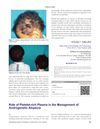 10 citations
,
January 2012 in “International Journal of Trichology”
10 citations
,
January 2012 in “International Journal of Trichology” PRP helps hair growth in common hair loss disorder.
 9 citations
,
July 2020 in “Biomedicine & Pharmacotherapy”
9 citations
,
July 2020 in “Biomedicine & Pharmacotherapy” Mitochondrial therapy and platelet-rich plasma therapy both stimulated hair regrowth in aging mice, with mitochondrial therapy showing similar effectiveness to plasma therapy.
6 citations
,
May 2021 in “Aesthetic Surgery Journal” Higher cell number PRP improves hair density and diameter more than lower cell number PRP.
 6 citations
,
October 2018 in “Dermatologic Surgery”
6 citations
,
October 2018 in “Dermatologic Surgery” PRP therapy helps slow hair loss and increases hair thickness.
 5 citations
,
January 2021 in “Journal of Cosmetic Dermatology”
5 citations
,
January 2021 in “Journal of Cosmetic Dermatology” Adding platelet-rich plasma improves hair density and thickness in androgenetic alopecia.
 5 citations
,
December 2020 in “Wound Repair and Regeneration”
5 citations
,
December 2020 in “Wound Repair and Regeneration” PRP's effectiveness in wound healing is unclear due to varying compositions and methods.