 1 citations
,
April 2023 in “Biomolecules”
1 citations
,
April 2023 in “Biomolecules” Fermented papaya and mangosteen in hair care products helped prevent hair loss and improve hair thickness.

Farudodstat can prevent hair follicle immune damage linked to alopecia areata.
 November 2025 in “Stem Cell Research & Therapy”
 Human hair follicle cells can help regenerate hair and reduce inflammation, aiding in hair loss treatment.
March 2022 in “Journal of The American Academy of Dermatology” 
Chemotherapy for breast cancer often causes significant and lasting hair loss.
May 2025 in “International Journal of Trichology” Low-dose oral minoxidil often causes excess hair growth but doesn't significantly affect quality of life.
15 citations
,
January 2025 in “Journal of the European Academy of Dermatology and Venereology” Ritlecitinib is effective and safe for treating alopecia areata, promoting significant hair regrowth.
 January 2012 in “Jaypee Brothers Medical Publishers (P) Ltd. eBooks”
 Various surgical methods for hair restoration, like scalp reconstruction and tissue expansion, have been developed, but follicular unit transplant remains the most common procedure for correcting pattern baldness.
 January 2008 in “The New England Journal of Medicine”
 Children receive less than half of recommended health care, and routine hormonal testing for female-pattern hair loss is unnecessary without other androgen excess symptoms.
 January 2025 in “Egyptian Journal of Dermatology and Venerology”
 COVID-19 vaccination may lower vitamin D levels and cause hair loss.
September 2023 in “Journal of the American Academy of Dermatology” Increased Treg cells and IL-10 may help quick recovery in acute diffuse and total alopecia.
 75 citations
,
October 1996 in “Dermatologic Clinics”
75 citations
,
October 1996 in “Dermatologic Clinics” Chronic Telogen Effluvium is a hair loss condition in middle-aged women that usually doesn't lead to complete baldness.
 3 citations
,
April 2022 in “Clinical, Cosmetic and Investigational Dermatology”
3 citations
,
April 2022 in “Clinical, Cosmetic and Investigational Dermatology” Different methods, including stress management, healthy diet, supplements, and treatments like minoxidil, can help hair grow back after COVID-19 related hair loss.
 39 citations
,
October 2018 in “Lupus Science & Medicine”
39 citations
,
October 2018 in “Lupus Science & Medicine” Different types of hair loss in lupus need careful diagnosis for proper treatment.
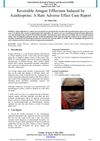 May 2025 in “International Journal of Science and Research (IJSR)”
 Stopping azathioprine led to full hair regrowth and recovery in 2.5 months.
 58 citations
,
November 2020 in “International Journal of Dermatology”
58 citations
,
November 2020 in “International Journal of Dermatology” COVID-19 may cause a temporary hair loss condition called telogen effluvium in some patients after recovery.
 21 citations
,
February 2009 in “Journal of the American Academy of Dermatology”
21 citations
,
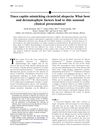
February 2009 in “Journal of the American Academy of Dermatology” Some cases of tinea capitis, a fungal scalp infection, can look like scarring hair loss due to the body's immune response and the fungus itself.
 17 citations
,
January 2010 in “International journal of trichology”
17 citations
,
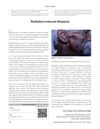
January 2010 in “International journal of trichology” A man experienced hair loss from radiotherapy, which can be temporary or permanent depending on radiation dose, with potential treatments available.
5 citations
,
January 2016 in “Clinical psychopharmacology and neuroscience/Clinical Psychopharmacology and Neuroscience” Valproate can cause rare hair curling in some patients.
November 2024 in “Journal of Investigative Dermatology” Paclitaxel chemotherapy causes premature aging and damage to hair follicles, potentially leading to permanent hair loss.
July 2024 in “JAAD Case Reports” Autoimmune diseases can change hair texture, but treatment can restore it.
 January 2025 in “Revista del Centro Dermatológico Pascua”
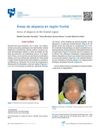
 Early diagnosis and treatment can help manage fibrosing alopecia in older women.
 13 citations
,
January 2019 in “Skin appendage disorders”
13 citations
,
January 2019 in “Skin appendage disorders” FAPD is a possible diagnosis for hair loss in patients of color and requires multiple evaluations for accurate diagnosis.
 December 2023 in “Journal of family medicine and primary care”
 Many people in Saudi Arabia experienced hair loss after COVID-19, especially women, those treated with antivirals, and those with a history of hair shedding.
The document concludes that severe trauma can cause temporary hair loss, known as Telogen Effluvium, which usually resolves without treatment.
 13 citations
,
January 2014 in “Dermatology”
13 citations
,
January 2014 in “Dermatology” Radiation-induced alopecia after angioembolization usually heals on its own and can look like other hair loss types, but patient history helps prevent misdiagnosis.
 January 2021 in “Journal of Pakistan Association of Dermatology”
 COVID-19 recovery can lead to temporary hair loss called telogen effluvium.
 391 citations
,
January 2010 in “Journal of The American Academy of Dermatology”
391 citations
,
January 2010 in “Journal of The American Academy of Dermatology” Half of people with Alopecia Areata may see hair regrowth within a year without treatment, but recovery is unpredictable.
 56 citations
,
May 2021 in “Journal of infection/The Journal of infection”
56 citations
,
May 2021 in “Journal of infection/The Journal of infection” Most hospitalized COVID-19 patients had long-term symptoms like fatigue and hair loss, with women and those sicker during hospitalization at higher risk.
 39 citations
,
January 2011 in “Archives of Dermatology”
39 citations
,
January 2011 in “Archives of Dermatology” Reflectance confocal microscopy confirms that yellow dots are signs of damaged hair follicles in alopecia areata.