 6 citations
,
September 1998 in “The Journal of The British Menopause Society”
6 citations
,
September 1998 in “The Journal of The British Menopause Society” Testosterone replacement may help postmenopausal women with sexual function and bone density, but suitable treatments are limited.
5 citations
,
March 2001 in “Journal of Clinical Gastroenterology”  2 citations
,
March 2023 in “Frontiers in Bioengineering and Biotechnology”
2 citations
,
March 2023 in “Frontiers in Bioengineering and Biotechnology” CuSi nanowires with NIR photothermal properties could effectively treat infected wounds and promote healing.
 1 citations
,
January 2019 in “Elsevier eBooks”
1 citations
,
January 2019 in “Elsevier eBooks” Neuroactive steroids may affect the risk and treatment of alcohol use disorders.
 1 citations
,
August 1995 in “Archives of Disease in Childhood”
1 citations
,
August 1995 in “Archives of Disease in Childhood” Minoxidil helped a boy regrow his hair after intense chemotherapy for leukaemia.

Many severe COVID-19 patients experienced temporary hair loss, but most regrew hair within six months.
 November 2022 in “Journal of Investigative Dermatology”
 COVID-19 patients with hair loss experienced greater cognitive deficits and more symptoms of depression, anxiety, and stress.

COVID-19 patients with hair loss experienced more cognitive issues and these issues were linked to higher levels of depression, anxiety, and stress.
September 2025 in “Blood Advances” Targeting androgen receptor signaling may improve acute myeloid leukemia treatment.
 November 2024 in “IP Indian Journal of Clinical and Experimental Dermatology”
 More grafts and longer surgeries increase the risk of hair loss in the donor area after FUE hair transplants.
 April 2024 in “Indian journal of ophthalmology. Case reports”
 Using minoxidil for hair loss might rarely cause a vision problem where fluid builds up under the retina.
 January 2023 in “TNOA journal of ophthalmic science and research”
 Minoxidil may cause vision problems.
 January 2019 in “Pediatric Oncall”
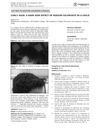
 Sodium valproate can rarely cause curly hair in children.
September 2017 in “OhioLink ETD Center (Ohio Library and Information Network)” Caregivers had lower stress hormone levels than non-caregivers, suggesting caregiving stress affects the body differently.
 April 2017 in “Journal of Investigative Dermatology”
 SIG-1451 could be a promising new treatment for atopic dermatitis.
 January 2017 in “Springer eBooks”
 The document concludes that Cutaneous Lupus Erythematosus has different forms, is influenced by genetic and environmental factors, and can be treated with various medications, but more targeted therapies are needed.

Chemotherapy can cause skin issues and hair loss, and this guide explains how to manage them.
 February 2012 in “Reactions Weekly”
 A woman got male pattern baldness from touching her husband's testosterone gel.
 88 citations
,
October 2020 in “Open Forum Infectious Diseases”
88 citations
,
October 2020 in “Open Forum Infectious Diseases” Some people who recover from COVID-19 continue to have symptoms like fatigue and cough for over 120 days, and some experience hair loss about 59 days after getting sick.
 31 citations
,
May 2020 in “Dermatologic Therapy”
31 citations
,
May 2020 in “Dermatologic Therapy” Quarantine stress likely worsened hair loss in women, but video consultations helped manage their condition and reduce anxiety.
 18 citations
,
April 2013 in “Inflammatory Bowel Diseases”
18 citations
,
April 2013 in “Inflammatory Bowel Diseases” People with Inflammatory Bowel Disease often lose hair due to stress, medication side effects, or lack of nutrients, and treatment depends on the specific cause.
 8 citations
,
June 2012 in “Australasian Journal of Dermatology”
8 citations
,
June 2012 in “Australasian Journal of Dermatology” A rare form of alopecia causes hair thinning without bald spots and may be more common than thought, responding well to steroid treatment.
 7 citations
,
September 2021 in “Anais Brasileiros De Dermatologia”
7 citations
,
September 2021 in “Anais Brasileiros De Dermatologia” COVID-19 can cause temporary hair loss, often starting around 7-8 weeks after recovery, with factors like Vitamin D deficiency, other diseases, medication, and stress potentially contributing.
 4 citations
,
November 2009 in “Medical Clinics of North America”
4 citations
,
November 2009 in “Medical Clinics of North America” Stress, nutritional issues, and chronic diseases can cause hair loss, and nail changes may signal internal diseases; treatment focuses on the underlying cause.
3 citations
,
August 2022 in “International Journal of Molecular Sciences” COVID-19 can cause hair loss, and treatments like PRP and stem cells might help.
 3 citations
,
October 2002 in “Journal of The American Academy of Dermatology”
3 citations
,
October 2002 in “Journal of The American Academy of Dermatology” The conclusion is that the hair loss in the patients was likely due to alopecia areata, not boron exposure.
 2 citations
,
August 2022 in “Clinical Case Reports”
2 citations
,
August 2022 in “Clinical Case Reports” A 17-year-old girl had severe, on-and-off hair loss, likely due to COVID-19. She was treated with Vitamin D3, biotin, and other supplements, and saw some improvement within a month.

A unified approach is needed to better diagnose and manage Telogen Effluvium, focusing on education, empathy, and safe treatments.
 July 2025 in “The Journal of Dermatology”
 5% topical minoxidil may help reduce hair loss and increase hair growth in telogen effluvium.
May 2025 in “International Journal of Trichology” The supplement improved hair health and reduced shedding in people with telogen effluvium.