 November 2022 in “Journal of the Endocrine Society”
 A woman with ectopic Cushing's syndrome and COVID-19 passed away despite treatment.
October 2020 in “Journal of the American Society of Nephrology” Drospirenone can hide symptoms of certain hormonal disorders, complicating diagnosis.
 1 citations
,
January 2019 in “Medical principles and practice”
1 citations
,
January 2019 in “Medical principles and practice” A boy's hair loss improved after tumor removal and vitamin D treatment, but hair loss returned despite normal vitamin D and no tumor regrowth.
7 citations
,
August 2024 in “Clinical and Experimental Dermatology” Upadacitinib is effective and safe for treating severe alopecia areata in teens.
3 citations
,
August 2018 in “Therapeutics and Clinical Risk Management” Corticosteroid therapy for alopecia areata can cause severe hip bone damage.
January 2017 in “Elsevier eBooks” Congenital Adrenal Hyperplasia is mainly caused by enzyme deficiencies, leading to varying symptoms like hormone imbalances and physical changes.
July 2019 in “Journal of the ASEAN Federation of Endocrine Societies” The woman had a rare adrenal tumor removed, and she recovered well with no signs of the tumor returning.
October 2023 in “Journal of the Endocrine Society” A woman with Hashimoto's hypothyroidism developed Graves' hyperthyroidism after 20 years, showing these conditions may be linked.
 149 citations
,
June 2002 in “Veterinary record/The veterinary record”
149 citations
,
June 2002 in “Veterinary record/The veterinary record” Trilostane effectively improved symptoms in dogs with a certain adrenal gland disorder.
24 citations
,
March 2022 in “Journal of the American Academy of Dermatology” Adalimumab improved folliculitis decalvans in most patients.
 2 citations
,
January 2019
2 citations
,
January 2019 The document concludes that autoimmune skin disorders are treated with corticosteroids and immunosuppressive drugs.
 3 citations
,
March 2014 in “TURKDERM”
3 citations
,
March 2014 in “TURKDERM” Alopecia areata is an autoimmune disorder causing hair loss and can impact mental health.
 January 2012 in “Yearbook of Dermatology and Dermatologic Surgery”
 Alopecia areata is a hair loss condition that often starts before age 30 and can affect various body parts, with unpredictable hair regrowth chances.
 June 2026 in “Wiener klinische Wochenschrift”
 New treatments for alopecia areata show promise but need ongoing use and have infection risks.
 November 2025 in “SKIN The Journal of Cutaneous Medicine”
 Upadacitinib effectively treats severe alopecia areata and is safe.
3 citations
,
May 2023 in “Journal of the American Academy of Dermatology” Certain drugs can cause hair loss, but stopping the drug usually leads to hair regrowth.
 February 2025 in “Cermin Dunia Kedokteran”
 ADEM is a sudden brain disorder often following infection or vaccination, diagnosed by ruling out other conditions.
 59 citations
,
January 2002 in “Dermatology”
59 citations
,
January 2002 in “Dermatology” A new type of sudden, complete female hair loss was found, with most patients fully recovering within 6 months without needing steroid treatment.
 January 2023 in “Surgical & Cosmetic Dermatology”
 The patient quickly recovered from hair loss caused by DRESS syndrome using topical minoxidil.
April 2019 in “Journal of the Endocrine Society” Glucocorticoid treatment lowered androgen levels but didn't improve hirsutism or ovulation and caused weight gain.
1 citations
,
November 2022 in “Journal of pharmaceutical negative results” Alopecia areata is an autoimmune condition causing patchy hair loss, with treatments focusing on immune system regulation and hair regrowth.
 February 2010 in “Journal of The American Academy of Dermatology”
 The study concluded that patients with total hair loss and recurring hair loss had an earlier onset, longer-lasting condition, and a greater negative impact on their quality of life, with allergic conditions linked to more severe hair loss.
 42 citations
,
April 2013 in “Steroids”
42 citations
,
April 2013 in “Steroids” Non-classic congenital adrenal hyperplasia is a common disorder causing symptoms like acne and infertility, and it's managed based on symptoms, not just test results. Treatment can improve fertility and reduce miscarriage risk.
6 citations
,
April 2018 in “Transplantation proceedings” A woman experienced severe side effects from a drug due to a specific genetic variation, suggesting genetic testing could prevent such risks.
 May 2025 in “The Journal of Rheumatology”
 Regular monitoring of autoantibodies in ANA-positive patients with hair loss helps detect and treat lupus early.

Lichen planopilaris can occur with multiple autoimmune diseases.
 37 citations
,
January 2019 in “JAMA Dermatology”
37 citations
,
January 2019 in “JAMA Dermatology” People with Major Depressive Disorder have a higher chance of getting Alopecia Areata, and vice versa; antidepressants may lower this risk.
 3 citations
,
April 2002 in “The Lancet”
3 citations
,
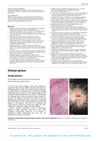
April 2002 in “The Lancet” Painful hair loss in an elderly woman was caused by giant cell arteritis, not just aging.
4 citations
,
January 2010 in “Journal of pediatric endocrinology & metabolism/Journal of pediatric endocrinology and metabolism” In India, most patients with type 1 autoimmune polyglandular failure show symptoms in a specific order, starting with parathyroid gland issues, then yeast infections, and finally adrenal gland failure.
December 2025 in “JGH Open” Early diagnosis and treatment with corticosteroids can improve outcomes in Cronkhite–Canada syndrome.