 August 2012 in “Nature Cell Biology”
 Hair grows when stem cell offspring in the follicle base proliferate, influenced by the dermal papilla.
Alopecia areata is an autoimmune disease that targets hair follicles.
4 citations
,
April 1983 in “The Journal of Dermatology” A 15-year-old girl with hypothyroidism had excess hair and skin issues due to blocked hair follicles.
118 citations
,
January 1992 in “Experientia” 55 citations
,
January 2004 in “The International Journal of Developmental Biology” Corneal cells can transform into hair-producing skin cells when exposed to certain signals.
44 citations
,
January 1999 in “Dermatology” Nevus comedonicus is a rare skin condition with grouped open pores, sometimes linked to other body issues.
 4 citations
,
May 2002 in “Therapeutische Umschau”
4 citations
,
May 2002 in “Therapeutische Umschau” AGA treated with finasteride, minoxidil, and hair transplantation.
April 2022 in “Journal of Investigative Dermatology” Androgenetic alopecia causes hair thinning due to increased androgen activity, treatable with minoxidil and finasteride.
Boosting certain cell signals can prevent hair loss from chemotherapy and radiation.
22 citations
,
July 1990 in “Acta Dermato Venereologica” High levels of testosterone and dihydrotestosterone inhibit hair cell growth, while high levels of estradiol promote it.

A woman's excess male hormone symptoms were caused by a rare benign tumor in her ovary.
January 2018 in “Elsevier eBooks” 4 citations
,
January 2020 in “Dermatology Online Journal” Congenital atrichia with papular lesions causes permanent hair loss and skin bumps due to a gene mutation.
 11 citations
,
May 2010 in “Journal of Medicinal Chemistry”
11 citations
,
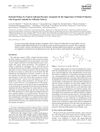
May 2010 in “Journal of Medicinal Chemistry” A new compound was created in 2010 that can control oil production when applied to the skin, and its effects are completely reversible after two weeks.
 24 citations
,
October 1994 in “Fertility and Sterility”
24 citations
,
October 1994 in “Fertility and Sterility” People with hair loss may have different levels of certain hormones due to changes in hormone processing.
 April 2023 in “The journal of investigative dermatology/Journal of investigative dermatology”
 Estetrol may help prevent hair loss and promote hair growth in women.
 January 2018 in “Springer eBooks”
 Telogen effluvium is hair loss caused by disruption of the normal hair cycle.
 5 citations
,
December 2015 in “Dermatologic Therapy”
5 citations
,
December 2015 in “Dermatologic Therapy” Using a certain drug on the skin can help prevent hair loss caused by pulling on the hair.
 December 2014 in “Endocrinología y nutrición”
 The woman's rare combination of diseases suggests an unknown factor may predispose individuals to multiple endocrine diseases.
67 citations
,
July 2000 in “Proceedings of the National Academy of Sciences” The model accurately simulates human hair growth and hair loss patterns.
 January 2023 in “Karger Kompass. Dermatologie”
 Scientists are still unsure what triggers the immune system to attack hair follicles in Alopecia areata.
3 citations
,
January 1985 in “Acta Obstetricia Et Gynecologica Scandinavica” A rare ovarian tumor caused early puberty signs in a 1-year-old girl, but surgery reduced hormone levels.
 2 citations
,
July 2008 in “Paediatrics & child health”
2 citations
,
July 2008 in “Paediatrics & child health” Severe acne in a young girl may indicate underlying hormonal issues.
 May 2026 in “Frontiers in Pharmacology”
 Dendrobium officinale polysaccharide helps hair regrowth in hair loss mice by affecting local steroid metabolism and hair follicle responses.
 19 citations
,
October 2017 in “The FASEB Journal”
19 citations
,
October 2017 in “The FASEB Journal” Male hormones cause different growth in identical human hair follicles due to their unique epigenetic characteristics.
January 2017 in “대한피부과학회지” Minoxidil effectively improved hair loss in a teenage girl with androgenetic alopecia.
66 citations
,
February 2007 in “The journal of investigative dermatology/Journal of investigative dermatology” Adenosine may promote hair growth by increasing FGF-7 levels in dermal papilla cells.
October 2017 in “Chinese Journal of Dermatology”