 3 citations
,
November 2021 in “Journal of The American Academy of Dermatology”
3 citations
,
November 2021 in “Journal of The American Academy of Dermatology” Androgenetic alopecia, a genetic disorder affecting up to 50% of adults, is caused by an excessive response to androgens leading to hair follicle shrinkage. Treatments include FDA-approved drugs, other therapies like low-dose oral minoxidil, and hair transplantation.
October 2024 in “Frontiers in Immunology” Pertussis toxin may contribute to hair loss in alopecia areata.
1 citations
,
June 2006 in “Experimental dermatology” The conclusion suggests that early signs of hidradenitis suppurativa may start in the hair follicle, with genetic and immune factors playing a role, highlighting the need for more research on the hair follicle's immune system.
 1 citations
,
February 2022 in “Clinical, Cosmetic and Investigational Dermatology”
1 citations
,
February 2022 in “Clinical, Cosmetic and Investigational Dermatology” TDM10842, a thyroid hormone receptor activator, was found to effectively promote hair growth in mice.
 May 2025 in “Dermatologie pro praxi”
 Autologous progenitor cell transplantation can effectively improve hair growth and quality with minimal side effects.
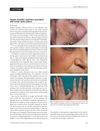 1 citations
,
February 2004 in “Journal of The European Academy of Dermatology and Venereology”
1 citations
,
February 2004 in “Journal of The European Academy of Dermatology and Venereology” Hair loss improved with treatment and successful transplant.
13 citations
,
June 2020 in “International Journal of Molecular Sciences” HNG helps hair grow by keeping hair in the growth phase longer.
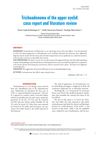 March 2022 in “Ophthalmology Journal”
 A woman's rare benign eyelid tumor was correctly identified through detailed tissue analysis.
87 citations
,
August 1974 in “Journal of Investigative Dermatology” 1 citations
,
November 2024 in “Veterinary Dermatology” The cat's hair loss was linked to a type of cancer.
 May 2023 in “Journal of Ethnopharmacology”
 The wild garlic plant, Allium macrostemon Bunge, can promote hair growth and could potentially be used to treat hair loss.
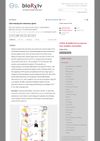 August 2023 in “bioRxiv (Cold Spring Harbor Laboratory)”
 The research found that specific stem cells maintain skin gland openings and that disrupting their activity can cause blockages or early cancer signs, indicating a need for targeted treatments.
November 2024 in “Journal of Investigative Dermatology” Stimulating OR10J1 can promote hair growth and may help treat hair loss.
124 citations
,
April 1992 in “Journal of Endocrinology/Journal of endocrinology” Beard hair follicles have more androgen receptors than non-balding scalp hair follicles.
 January 2008 in “Annals of Nutrition and Metabolism”
 Parthenolide promotes hair growth in mice and may influence pathways related to male pattern baldness.
June 2006 in “Experimental dermatology” Hair follicle bulge cells are important for hair survival and help heal the skin after injury, which might be relevant for understanding hidradenitis suppurativa.
 4 citations
,
May 2019 in “Journal of The European Academy of Dermatology and Venereology”
4 citations
,
May 2019 in “Journal of The European Academy of Dermatology and Venereology” Hair loss treatment caused more hair loss in a man.
141 citations
,
November 2007 in “Journal of Investigative Dermatology” Balding cells age faster due to stress, suggesting stress-targeting treatments for hair loss.
November 2022 in “Journal of Investigative Dermatology” NCSTN gene mutation causes abnormal skin cell differentiation and more inflammation, contributing to Hidradenitis Suppurativa.
 4 citations
,
December 2021 in “The journal of investigative dermatology/Journal of investigative dermatology”
4 citations
,
December 2021 in “The journal of investigative dermatology/Journal of investigative dermatology” Overactive Wnt signaling in mouse skin stem cells causes acne-like cysts and shrinking oil glands, which some treatments can partially fix.
July 2026 in “bioRxiv (Cold Spring Harbor Laboratory)” Acne starts with a cell change in skin, leading to inflammation and blocked pores.
 27 citations
,
June 2023 in “Nature”
27 citations
,
June 2023 in “Nature” Senescent melanocytes can boost hair growth by activating hair stem cells.
2 citations
,
September 1997 in “Archives of Dermatology” 173 citations
,
July 1995 in “Biochemical and biophysical research communications” Male hormones promote hair cell growth by using a growth factor from nearby skin cells.
87 citations
,
March 2017 in “Journal of Clinical Investigation” PSENEN gene mutations can cause both Dowling-Degos disease and acne inversa.
15 citations
,
May 2021 in “Climacteric” Postmenopausal hyperandrogenism involves excess male hormones causing symptoms like hair growth and acne, and requires ruling out tumors and other disorders.
30 citations
,
June 1993 in “The Journal of Cell Biology” The oncoprotein causes abnormal hair growth without increasing skin cancer risk.
 82 citations
,
January 2000 in “Hormone Research in Paediatrics”
82 citations
,
January 2000 in “Hormone Research in Paediatrics” DHEA stimulates skin oil glands and could help postmenopausal women, with potential for acne and excessive hair growth treatments.
 March 2023 in “Bagcılar medical bulletin”
 A young woman had a rare tumor causing high male hormone levels and symptoms like excessive hair and acne. After removing the tumor, her hormone levels returned to normal. Early diagnosis is important.