 October 2024 in “Journal of the Endocrine Society”
 Certain genetic variants impair enzyme activity, contributing to non-classic congenital adrenal hyperplasia.
 June 2024 in “International journal of molecular sciences”
 Adenosine complex helps increase hair thickness and density in hair loss.
52 citations
,
March 1987 in “Journal of the American Academy of Dermatology” High DHEA-S levels may cause hair loss in young men.
March 2023 in “The Journal of Urology” Higher SRD5A2 expression predicts better response to finasteride in treating urinary symptoms.
 10 citations
,
October 2015 in “Journal of Dermatology”
10 citations
,
October 2015 in “Journal of Dermatology” Adenosine treatment thickens hair in Caucasian men with hair loss.
Higher nitric oxide synthase levels in the scalp may influence hair loss in androgenetic alopecia.
December 2021 in “Benha Journal of Applied Sciences” Higher Alarin levels may predict androgenetic alopecia and metabolic syndrome.
15 citations
,
July 2009 in “Biomedical Chromatography” A reliable method was developed to measure aristolochic acid-I in rat blood.
 January 2026 in “Annals of Clinical Endocrinology and Metabolism”
 Restoring NAD⁺ may help with aging and chronic diseases, but more research is needed.
January 2023 in “ALEXMED ePosters (Online)” Alopecia patients have a higher risk of heart disease.
7 citations
,
April 1992 in “Journal of steroid biochemistry and molecular biology/The Journal of steroid biochemistry and molecular biology” Women with non-classical congenital adrenal hyperplasia have higher levels of certain steroids, which can be reduced by treatment.
 July 2022 in “World Journal of Advanced Research and Reviews”
 Piptadeniastrum africanum and Cordia plathytyrsa can increase testosterone without major metabolic changes, but may affect triglycerides and creatinine.
June 2022 in “bioRxiv (Cold Spring Harbor Laboratory)” Male hormones and reduced plakoglobin can impair heart electrical function and increase arrhythmia risk in males.
June 2020 in “Acta medica Philippina” Topical adenosine may effectively and safely treat hair loss.
 11 citations
,
April 2015 in “International Journal of Cosmetic Science”
11 citations
,
April 2015 in “International Journal of Cosmetic Science” Adenosine helps grow thicker hair in Japanese men with hair loss.
November 1971 in “PubMed”  January 2026 in “Journal of Materials Chemistry B”
 TA-Ado effectively promotes hair growth and reduces hair loss.
 January 2024 in “International Journal of Trichology”
 PON1 levels might indicate hair loss severity, but other health factors can affect this.
 12 citations
,
March 2018 in “Analytical chemistry”
12 citations
,
March 2018 in “Analytical chemistry” Researchers created a new method to measure brain steroids, finding higher levels of certain steroids and changes due to a drug.
 57 citations
,
February 1975 in “Journal of Clinical Investigation”
57 citations
,
February 1975 in “Journal of Clinical Investigation” Minoxidil boosts plasma renin activity, influenced by control plasma renin activity and changes in sympathetic tone.
January 2001 in “대한피부과학회지” Hormone levels in women with androgenetic alopecia are similar to those without the condition.

Higher sulfotransferase enzyme levels predict better response to minoxidil for hair growth.
8 citations
,
January 2021 in “Bulletin of Experimental Biology and Medicine” ATP and IL-10 levels in hair follicles relate to follicle length and hair growth, with differences in alopecia patients.
 5 citations
,
September 2022 in “Molecular pharmacology”
5 citations
,
September 2022 in “Molecular pharmacology” KATP channels are important for energy balance and are targeted by drugs for diabetes, hypoglycemia, hypertension, and hair loss.
 28 citations
,
October 2011 in “International Journal of Molecular Medicine”
28 citations
,
October 2011 in “International Journal of Molecular Medicine” Adenosine helps hair grow longer and stronger by boosting certain growth factors and signaling pathways.
 14 citations
,
January 2013 in “Hormone and Metabolic Research”
14 citations
,
January 2013 in “Hormone and Metabolic Research” The severity of symptoms in nonclassical congenital adrenal hyperplasia is not determined by CYP21A2 gene variations.
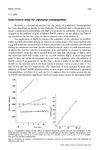
Androgens increase norepinephrine release, promoting smooth muscle growth in male sex organs, which may contribute to benign prostatic hypertrophy.
 19 citations
,
November 1971 in “Clinica Chimica Acta”
19 citations
,
November 1971 in “Clinica Chimica Acta” The document concludes that measuring γ-glutamyl transpeptidase activity is more accurate with a higher substrate concentration and using diluted acetic acid to stop the reaction.
January 2026 in “Applied Sciences” Cyclic ADP-ribose helps regulate calcium and signals that promote hair growth in hair follicle cells.
 5 citations
,
April 2021 in “Journal of Endocrinological Investigation”
5 citations
,
April 2021 in “Journal of Endocrinological Investigation” Higher DHT levels are linked to fewer hypogonadism symptoms in men with normal testosterone levels.