4 citations
,
April 2019 in “JAAD Case Reports” DPR can cause skin, hair, and nail issues, sometimes appearing later in life.
12 citations
,
January 2013 in “Indian dermatology online journal” Dermatopathia pigmentosa reticularis causes skin discoloration, hair loss, and nail problems.
 March 2024 in “Indian Journal of Dermatology/Indian journal of dermatology”
 Using animal names for skin conditions helps with learning and memory.
April 2025 in “Indian Dermatology Online Journal” Bird-related analogies help explain and remember skin conditions better.
 February 2012 in “Clinical and Experimental Dermatology”
 Many adult women experience unexplained excessive hair shedding, often starting before age 40.
Pangolin scales evolved for protection, hardening with age, due to keratin gene diversification.
 5 citations
,
September 2015 in “Nepalese journal of ophthalmology”
5 citations
,
September 2015 in “Nepalese journal of ophthalmology” An 11-year-old girl with a rare skin disorder also had cornea issues and dry eye, needing careful management.
 5 citations
,
September 1986 in “Pediatric Dermatology”
5 citations
,
September 1986 in “Pediatric Dermatology” A family showed a new condition with inherited hair loss and skin changes, possibly due to one genetic disorder.
 August 2011 in “Clinical and Experimental Dermatology”
 About 30% of women feel they lose too much hair, often starting before age 40, and most can't find a reason for it.
 January 2003 in “Springer eBooks”
 Children with diabetes often have skin problems, which can be better managed with good blood sugar control.
August 2024 in “Skin Research and Technology” TAF can be identified by excessive skin thickening and clogged hair follicles, helping distinguish it from similar skin conditions.
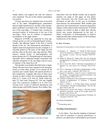 January 1999 in “Journal of the European Academy of Dermatology and Venereology”
 RAPK is a rare skin disorder with pigmented spots, mainly on hands and feet, starting in youth.
 89 citations
,
October 1996 in “Dermatologic Clinics”
89 citations
,
October 1996 in “Dermatologic Clinics” Alopecia areata is likely caused by a combination of genetic factors and immune system dysfunction, and may represent different diseases with various causes.
 41 citations
,
June 2013 in “PLOS ONE”
41 citations
,
June 2013 in “PLOS ONE” Engineered skin substitutes can grow hair but have limitations like missing sebaceous glands and hair not breaking through the skin naturally.
 36 citations
,
June 2018 in “Journal of The American Academy of Dermatology”
36 citations
,
June 2018 in “Journal of The American Academy of Dermatology” Dermoscopy is useful for diagnosing various skin, hair, and nail disorders and can reduce the need for biopsies.
 36 citations
,
January 2012 in “International Journal of Trichology”
36 citations
,
January 2012 in “International Journal of Trichology” Losing eyelashes or eyebrows can be a sign of many different health problems and needs a careful approach to treat effectively.
 17 citations
,
July 1994 in “Journal of Dermatological Science”
17 citations
,
July 1994 in “Journal of Dermatological Science” The cause of alopecia areata is likely a mix of genetics, immune system issues, and environmental factors, with more research needed to understand it fully.
 8 citations
,
July 2024 in “Scientific Reports”
8 citations
,
July 2024 in “Scientific Reports” Salicylate helps wounds heal without scarring in mice.
 7 citations
,
January 1981 in “Springer eBooks”
7 citations
,
January 1981 in “Springer eBooks” The document concludes that hair biology is complex and there are still unanswered questions about hair loss and follicle changes.
 6 citations
,
September 2021 in “Experimental Brain Research”
6 citations
,
September 2021 in “Experimental Brain Research” Rats have different touch receptors in their paws that help with movement and handling objects.
 6 citations
,
January 2009 in “Elsevier eBooks”
6 citations
,
January 2009 in “Elsevier eBooks” The skin has multiple layers and cells, serves as a protective barrier, helps regulate temperature, enables sensation, affects appearance, and is involved in vitamin D synthesis.
 2 citations
,
November 2022 in “IP Indian journal of clinical and experimental dermatology”
2 citations
,
November 2022 in “IP Indian journal of clinical and experimental dermatology” Dermoscopic and histopathological features combined can help diagnose Pityriasis versicolor.
 2 citations
,
January 2014 in “Springer eBooks”
2 citations
,
January 2014 in “Springer eBooks” The book details skin conditions in older adults, their link to mental health, cancer treatment importance, hair loss remedies, and managing autoimmune and itchy skin.
 1 citations
,
May 2023 in “Reports of Vinnytsia National Medical University”
1 citations
,
May 2023 in “Reports of Vinnytsia National Medical University” Anthropometric measurements like weight and BMI may help identify alopecia risk groups.
 1 citations
,
November 2017 in “Expert opinion on orphan drugs”
1 citations
,
November 2017 in “Expert opinion on orphan drugs” Scientists now better understand the genetics of hypohidrotic ectodermal dysplasia, leading to more accurate diagnoses and potential new treatments.
 1 citations
,
February 2017 in “International journal of anatomy and research”
1 citations
,
February 2017 in “International journal of anatomy and research” Understanding fetal skin development helps diagnose congenital skin diseases.
 1 citations
,
July 2016 in “Elsevier eBooks”
1 citations
,
July 2016 in “Elsevier eBooks” Understanding skin structure and development helps diagnose and treat skin disorders.
 December 2025 in “Italian Journal of Anatomy and Embryology”
 Understanding embryologic layers improves skin disorder diagnosis and supports developing targeted therapies.
 November 2021 in “International Journal of Research in Medical Sciences & Technology”
 Skin surface chemistry and OCT can improve skin disease diagnosis.
 November 2019 in “Harper's Textbook of Pediatric Dermatology”
 The document is a detailed medical reference on skin and genetic disorders.