 7 citations
,
March 2021 in “Molecular Medicine Reports”
7 citations
,
March 2021 in “Molecular Medicine Reports” A mix of specific inhibitors and a growth factor helps keep hair growth cells from losing their properties in the lab.
58 citations
,
February 2013 in “Journal of Biological Chemistry” LGR5 mainly stays inside cells, moving to the trans-Golgi network, and this process is important for its role in cell signaling.
 1 citations
,
November 2008 in “Acta crystallographica”
1 citations
,
November 2008 in “Acta crystallographica” Scientists successfully created and analyzed the structure of a part of the human androgen receptor with specific modulators and a peptide to understand how it binds differently in various tissues.
 19 citations
,
June 2002 in “American Journal of Dermatopathology”
19 citations
,
June 2002 in “American Journal of Dermatopathology” Apoptosis contributes to hair loss in androgenetic alopecia.
 1 citations
,
August 2022 in “Biomedicines”
1 citations
,
August 2022 in “Biomedicines” Dutasteride, usually used for prostate issues and hair loss, could potentially treat Amyotrophic Lateral Sclerosis (ALS) due to its neuroprotective, antioxidant, and anti-inflammatory properties, but more testing is needed.
 32 citations
,
February 2014 in “Psychopharmacology”
32 citations
,
February 2014 in “Psychopharmacology” Dutasteride makes alcohol less sedating and may lead to less drinking in men.
 1 citations
,
February 2022 in “bioRxiv (Cold Spring Harbor Laboratory)”
1 citations
,
February 2022 in “bioRxiv (Cold Spring Harbor Laboratory)” Certain interactions help prepare the androgen receptor for pairing and activation, which is important for its role in development and disease.
 October 2023 in “Scientific Reports”
 Gene therapy helped rats with a specific type of rickets grow hair without severe inflammation.
 August 2019 in “Journal of The American Academy of Dermatology”
 PFD patch helps laser tattoo removal, trichoscopy diagnoses AGA, and serum boosts SOD activity.
 11 citations
,
July 2017 in “Expert Opinion on Investigational Drugs”
11 citations
,
July 2017 in “Expert Opinion on Investigational Drugs” New hair loss treatments may include topical medications, injections, and improved transplant methods.
22 citations
,
August 2020 in “Cells” TGM3 is important for skin and hair structure and may help diagnose cancer.
 May 2017 in “Journal of The American Academy of Dermatology”
 Finasteride 1 mg/day effectively treats hair loss in men aged 18-41 and over 41; DEET lotion works better than herbal insect repellents; combined tattoo removal technique shows no extra benefits.
 1 citations
,
January 2011
1 citations
,
January 2011 The document concludes that androgenetic alopecia is common, has a genetic link, and can be diagnosed and treated with medications like finasteride and minoxidil.
Acupuncture and herbal treatments effectively reduced hair loss in androgenetic alopecia.
 1 citations
,
July 2023 in “Cureus”
1 citations
,
July 2023 in “Cureus” Some treatments for hereditary hair loss are effective but vary in results and side effects; new therapies show promise but need more research.
 February 2023 in “Journal of Ginseng Research/Journal of ginseng research”
 New ginseng compounds may help treat degenerative diseases.
 April 2018 in “Journal of Investigative Dermatology”
 The role of γδT-cells in causing alopecia areata remains unclear.
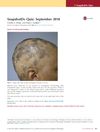 August 2018 in “Journal of Investigative Dermatology”
 Tofacitinib may help regrow hair in alopecia areata patients.

Testosterone in our bodies helps increase insulin secretion from the pancreas.

GFC injections significantly improved hair growth and quality with minimal side effects.
December 2015 in “PLOS ONE”  8 citations
,
November 2017 in “Journal of Investigative Dermatology”
8 citations
,
November 2017 in “Journal of Investigative Dermatology” AGA linked to inflammation, stress, fibrosis, and disturbed hair follicle stem cells.
October 2025 in “Journal of Ethnopharmacology” Andrographolide from Andrographis paniculata promotes hair growth and could be a natural treatment for hair loss.
Autologous Regenerative Therapy may improve hair restoration by using stem cells from fat.
Lower DHT and higher testosterone levels increase brain activation but don't change behavior in heavy drinkers.
6 citations
,
July 2018 in “PubMed” The treatment is safe and very effective for hair growth in Asian men with minimal side effects.
January 2018 in “Elsevier eBooks” 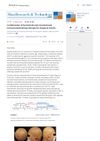 July 2023 in “Skin Research and Technology”
 Baricitinib combined with other immune therapies may safely and effectively treat severe scalp hair loss.
January 2026 in “Applied Sciences” Cyclic ADP-ribose helps regulate calcium and signals that promote hair growth in hair follicle cells.