 June 2024 in “British Journal of Dermatology”
 KRT14 gene variants cause dermatopathia pigmentosa reticularis, affecting nails, teeth, and hair.
 February 2023 in “Research Square (Research Square)”
 Genetic testing confirmed a rare skin disorder in a young girl, which improved with zinc supplementation.
12 citations
,
May 2016 in “British Journal of Dermatology” A 6-year-old boy's skin condition improved after stopping a specific treatment and starting new medications.
 January 2023 in “Revista Paulista de Pediatria”
 A Brazilian male with IFAP syndrome has a unique genetic variant causing his condition.
40 citations
,
November 2021 in “International Journal of Molecular Sciences” Mutant keratins cause inflammation in Epidermolysis Bullosa Simplex, suggesting targeting them could help treat the disorder.
4 citations
,
January 2020 in “Dermatology Online Journal” Congenital atrichia with papular lesions causes permanent hair loss and skin bumps due to a gene mutation.
3 citations
,
January 2013 in “Dermatology” New genetic mutations causing hair loss were found in a Chinese family.
2 citations
,
February 2022 in “bioRxiv (Cold Spring Harbor Laboratory)” Impaired LEF1 activation speeds up skin cell development in Hutchinson-Gilford Progeria Syndrome.
July 2026 in “Pediatric Allergy and Immunology”  6 citations
,
January 2014 in “Clinical hemorheology and microcirculation”
6 citations
,
January 2014 in “Clinical hemorheology and microcirculation” Hereditary elliptocytosis causes elongated red blood cells and can lead to mild or no symptoms.
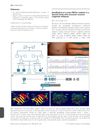
 June 2023 in “British journal of dermatology/British journal of dermatology, Supplement”
 A child with skin and tooth symptoms was found to have a genetic mutation causing cardiocutaneous syndrome, leading to heart problems.
 23 citations
,
December 2013 in “British Journal of Dermatology”
23 citations
,
December 2013 in “British Journal of Dermatology” A new gene mutation linked to a skin condition was found in a Spanish family.
 82 citations
,
April 2008 in “Journal of Investigative Dermatology”
82 citations
,
April 2008 in “Journal of Investigative Dermatology” EDA2R gene linked to hair loss.
3 citations
,
July 2022 in “Indian Journal of Dermatology” ALEP is a drug-triggered skin reaction with pustules that clears up in a week after stopping the drug.
 7 citations
,
January 2018 in “Neurodegenerative Diseases”
7 citations
,
January 2018 in “Neurodegenerative Diseases” Researchers found a new ABCD1 gene mutation linked to a rare brain and nerve disorder with unusual brain changes.
 20 citations
,
January 2005 in “Australasian Journal of Dermatology”
20 citations
,
January 2005 in “Australasian Journal of Dermatology” A woman had a skin condition with increased normal elastic fibers, not related to other known disorders, likely due to aging.
11 citations
,
February 2011 in “The Journal of Dermatology” Mutations in the hairless gene cause a rare form of permanent hair loss.
1 citations
,
March 2024 in “Genes & Diseases” EBF1 controls hair type and length.
September 2022 in “European Journal of Dermatology” Gene sequencing is essential for diagnosing Junctional epidermolysis bullosa.
Controlling Tslp can improve health in AEC syndrome patients.
9 citations
,
August 2024 in “International Journal of Molecular Sciences” Promising treatments for EBS include anti-inflammatory drugs, antibiotics, creams, mTOR inhibitors, and gene editing, but more trials are needed.
May 2015 in “European Journal of Paediatric Neurology” ECCL should be considered in patients with specific skin and eye lesions.
20 citations
,
August 2003 in “Clinical and Experimental Dermatology” A new genetic mutation in the hairless gene causes a rare hair loss disorder.
 December 2022 in “American journal of medical genetics. Part A”
 A person got uncombable hair syndrome from two copies of chromosome 1 from their mother.
 October 2011 in “Journal of dermatology”
 A man with a rare skin condition and a new gene mutation developed high calcium levels due to his treatment.
10 citations
,
July 2001 in “PubMed” A new type of pachyonychia congenita may exist, caused by a different keratin mutation.
1 citations
,
May 2019 in “DOAJ (DOAJ: Directory of Open Access Journals)” Acrodermatitis enteropathica can be linked to dental issues, so thorough dental exams are important.
2 citations
,
January 2016 in “Journal of clinical & experimental dermatology research” Acrodermatitis Enteropathica is a rare skin condition treated effectively with zinc supplements, and early diagnosis is key.
4 citations
,
January 2023 in “Journal of Clinical Investigation” Specific mutations in a receptor cause facial abnormalities and hair loss.
8 citations
,
January 2014 in “Indian Journal of Paediatric Dermatology” Congenital atrichia with papular lesions causes permanent hair loss and skin bumps from birth.