15 citations
,
September 2018 in “Hearing research” Rapamycin reduces age-related hearing cell loss in mice, but acarbose does not.
 2 citations
,
April 2023 in “JEADV. Journal of the European Academy of Dermatology and Venereology/Journal of the European Academy of Dermatology and Venereology”
2 citations
,
April 2023 in “JEADV. Journal of the European Academy of Dermatology and Venereology/Journal of the European Academy of Dermatology and Venereology” JAK-inhibitors for alopecia areata are generally safe with mostly mild side effects and a low rate of treatment withdrawal.
4 citations
,
February 2022 in “PeerJ” Hair follicle stem cell transplants can reverse liver cirrhosis by blocking harmful cell activation.
 February 2014 in “PubMed”
 Tomato extract can promote hair growth and prevent hair loss without irritating the skin.
 April 2026 in “Zenodo (CERN European Organization for Nuclear Research)”
 Hibiscus rosa-sinensis has many health benefits but needs more research for full understanding.
 4 citations
,
June 2021 in “Basic and Clinical Neuroscience Journal”
4 citations
,
June 2021 in “Basic and Clinical Neuroscience Journal” Rat hair follicle stem cells can improve nerve repair and muscle function after injury.
 March 2024 in “Journal of drugs in dermatology”
 HASHA is a safe and effective option for chin augmentation.
 68 citations
,
April 2002 in “Journal of Alternative and Complementary Medicine”
68 citations
,
April 2002 in “Journal of Alternative and Complementary Medicine” Natural 5AR inhibitors effectively improve mild to moderate hair loss in men.
October 2012 in “한국미용학회지” Tremella fuciformis Berk helps protect hair growth from stress effects.
1 citations
,
July 2021 in “Small ruminant research” Vitamin E, alone or with yeast, helped reduce arsenic poisoning effects in young goats.
5 citations
,
June 2022 in “International Journal of Pharmaceuticals Nutraceuticals and Cosmetic Science” Centella asiatica is beneficial for health and skincare due to its anti-inflammatory and antioxidant properties.
 12 citations
,
September 2014 in “Journal of Food Science and Nutrition”
12 citations
,
September 2014 in “Journal of Food Science and Nutrition” Platycarya strobilacea extract is a strong antioxidant that can grow hair better than minoxidil.
 2 citations
,
April 2016 in “Más dermatología”
2 citations
,
April 2016 in “Más dermatología” The supplement with Serenoa repens and Pygeum africanum significantly increased active hair growth and decreased rest phase hair in post-menopausal women with hair loss, with only mild digestive side effects.
A man with a rare lung-focused form of hypereosinophilic syndrome improved with steroid treatment.
Sinsun-yukza-hwan extract promotes hair growth in mice.
 March 2024 in “Jurnal Ilmu Kesehatan Hewan”
 The treatment was effective for the puppy's skin and intestinal infections.
October 2023 in “The Open Dermatology Journal” Baricitinib is effective for severe alopecia areata with manageable side effects, mainly upper respiratory infections.
 2 citations
,
February 2016 in “African Journal of Traditional Complementary and Alternative Medicines”
2 citations
,
February 2016 in “African Journal of Traditional Complementary and Alternative Medicines” Prolonged linseed ingestion is safe for rabbits.
 December 2024 in “Frontiers in Pharmacology”
 Araliadiol may promote hair growth like minoxidil without being toxic.
October 2025 in “OPAL (Open@LaTrobe) (La Trobe University)” Quercetin boosts hair follicle stem cell growth and reduces cell death in cashmere goats.
January 2008 in “Dialnet (Universidad de la Rioja)” Certain compounds from Polygonum multiflorum roots may help treat hair loss.
 14 citations
,
July 2012 in “Journal of the American Academy of Dermatology”
14 citations
,
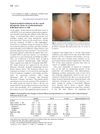
July 2012 in “Journal of the American Academy of Dermatology” Topical tacalcitol ointment can help improve symptoms of EFFC.
April 2019 in “Agriculture and natural resources”  9 citations
,
June 2022 in “Reviews in Environmental Science and Bio/Technology”
9 citations
,
June 2022 in “Reviews in Environmental Science and Bio/Technology” Maritime pine bark has various chemical components useful for different industrial uses.
 July 2024 in “Science and Culture”
 Thuja orientalis L. has many health benefits and could be used in new medicines.
3 citations
,
June 2020 in “Journal of Dermatological Treatment” Triamcinolone acetonide is slightly more effective than betamethasone for hair regrowth in localized alopecia areata.
15 citations
,
March 2023 in “Heliyon” Beehive extracts may help with anxiety, depression, and inflammation.
February 2025 in “Experimental Cell Research” Combining specific proteins and cell-derived particles may help treat hair loss.
 November 2015 in “Indian drugs”
 The aerial roots of the Ficus benghalensis plant contain flavonoids, phenolics, and saponins.