Search
for
Sort by
Research
300-330 / 1000+ resultsresearch LB1777 A novel ex vivo model of human hair follicle immune privilege collapse reveals the potential of farudodstat, a DHODH inhibitor, as a therapeutic for alopecia areata treatment
Farudodstat may help treat alopecia areata by protecting hair follicles.
research Polymer conjugated retinoids for controlled transdermal delivery
A new method allows for controlled, long-lasting delivery of retinoic acid through the skin with less inflammation.
research Finasteride in Frontal Fibrosing Alopecia: Joining the Dots!
Finasteride may help treat frontal fibrosing alopecia, but more research is needed.

research A Novel Atypical Presentation of Frontal Fibrosing Alopecia Involving the Frontoparietal Scalp
A woman with an unusual pattern of hair loss was confirmed to have Frontal Fibrosing Alopecia and treated with specific medications.
research 503 Use of low-dose spironolactone in female pattern hair loss in a specialty alopecia clinic
Low-dose spironolactone effectively treats female pattern hair loss with mild side effects.
research A Pilot Randomized Controlled Trial Comparing the Efficacy and Safety of Oral Tofacitinib Versus Methotrexate In Moderate-to-Severe Alopecia Areata
Tofacitinib may work better than methotrexate for treating moderate-to-severe alopecia areata.
research Comparative study between fractional carbon dioxide laser vs intralesional steroid injection in treatment of alopecia areata
FCO2 laser is a better treatment for alopecia areata than intralesional steroids.
research Repurposing Auranofin for Oncology and Beyond: A Brief Overview of Clinical Trials as Mono- and Combination Therapy
Auranofin shows promise as a cancer treatment, especially when combined with other therapies.
research Additive in vivo growth-inhibitory effects of flutamide and finasteride on androgen-sensitive Shionogi 115 carcinoma
Combining flutamide and finasteride can reduce prostate weight and tumor growth, potentially benefiting treatments needing optimal DHT inhibition.

research Ritlecitinib for Severe Alopecia Areata: A 24-Week, Multicentre, Real-World Study
Ritlecitinib effectively regrows hair in severe alopecia areata, especially in adolescents.
research Further research needed if finasteride is to become standard of care for frontal fibrosing alopecia (FFA)
More research needed to confirm finasteride as standard treatment for FFA.
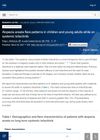
research Alopecia areata flare patterns in children and young adults while on systemic tofacitinib
Tofacitinib can regrow hair in alopecia areata patients, but some may experience flares during treatment.
research Peculiar hypertrichosis in a patient affected by frontal fibrosing alopecia with pseudo "fringe sign"
A woman with frontal fibrosing alopecia experienced unusual hair growth after using a specific topical lotion.
research Interventions for Hirsutism
Oral contraceptives help mild hirsutism, while flutamide and spironolactone help severe cases.
research Steroid 5α-Reductase Inhibitors
New steroidal compounds could be effective for treating conditions related to 5α-reductase enzyme activity.
research P075 A randomized controlled trial comparing the efficacy and safety of oral tofacitinib vs. methotrexate in moderate-to-severe alopecia areata
Tofacitinib was more effective than methotrexate for treating alopecia areata.
research Frontal fibrosing alopecia: efficacy of treatment modalities
Some treatments can stabilize Frontal Fibrosing Alopecia, but more research is needed to find effective treatments, and hair transplants often fail.
research Risk factors for intraoperative floppy iris syndrome: a retrospective study
Certain medications like α1-blockers, benzodiazepines, and finasteride increase the risk of floppy iris syndrome during cataract surgery.
research Apremilast is efficacious in refractory alopecia areata
Apremilast helps regrow hair in hard-to-treat alopecia areata.
research RAPID ALKALINIZATION FACTOR 22 is a key modulator of the root hair growth responses to fungal ethylene emissions in Arabidopsis
RALF22 is essential for root hair growth in response to fungal emissions in Arabidopsis.
research Progesterone-induced spike-wave discharges are inhibited by finasteride
Finasteride blocks progesterone's effect on brain activity linked to epilepsy.
research Simultaneous Determination of Quercitrin, Afzelin, Amentoflavone, Hinokiflavone in Rat Plasma by UFLC–MS-MS and Its Application to the Pharmacokinetics of Platycladus orientalis Leaves Extract
Researchers developed a method to measure plant compounds in rat blood and found they are quickly absorbed and eliminated within 36 hours.
research Improvement in Patient‐Reported Emotional Symptoms and Activity Limitations due to Hair Loss in Patients With Alopecia Areata Treated With Ritlecitinib: Additional Analyses From ALLEGRO ‐2b/3
Ritlecitinib improves emotional well-being and activity levels in alopecia areata patients.
research The Administration of Flumethasone, by Three Different Routes, its Measurement in the Plasma and Some Effects on Wool Growth in Merino Wethers
Flumethasone causes wool shedding in Merino wethers, with recovery in about 60 days.
research Sustained delivery of finasteride by biodegradable system
A biodegradable system can deliver finasteride consistently, reducing the need for daily pills.
research Romatoid Artritli Hastalarda Metotreksat Toksisitesini Önlemede Yüksek Doz Günlük Folat Desteğine Karşın Düşük Doz Haftalık Folat Desteğinin Etkileri
Weekly 5 mg folate is enough to prevent methotrexate toxicity in rheumatoid arthritis patients.

research Alopecia secondary to severe discoid lupus responding to anifrolumab
Anifrolumab significantly improved skin lesions and hair regrowth in severe discoid lupus.
research Antipsoriatic Activity of a New Synthetic Retinoid
The new synthetic retinoid RO 13-6298 effectively treated severe psoriasis at low doses with manageable side effects.
research Retrospective Case Study to Understand the Role of Fluoric Acid in Alopecia Areata at Dr. Batra’s Clinics
Fluoric Acid helps regrow hair and reduces relapse in Alopecia Areata.