January 2006 in “Chinese Journal of Dermatology” Amelanotic melanocytes from hair follicles are immature and likely don't transfer melanosomes to keratinocytes.
 September 2023 in “International Journal of Dermatology”
 Younger people are at a higher risk for Fibrosing Alopecia in a Pattern Distribution than previously thought, with common symptoms and possible involvement of mast cells in its development.
 January 2025 in “BMJ Case Reports”
 Precocious puberty can signal familial adenomatous polyposis.
 33 citations
,
December 2005 in “Archives of dermatology”
33 citations
,
December 2005 in “Archives of dermatology” Alefacept showed some effectiveness for alopecia areata but needs more research.
 September 2019 in “Actas dermo-sifiliográficas/Actas dermo-sifiliográficas”
 Isotretinoin at low doses effectively treats facial papules in frontal fibrosing alopecia.
October 2025 in “Clinical and Experimental Dermatology” Fibrosing alopecia can be stabilized or improved with anti-inflammatory treatments and hair growth agents.
Arabidopsis Formin 2 stabilizes actin filaments to aid cell-to-cell trafficking.
4 citations
,
September 2020 in “Journal of Cutaneous Pathology” 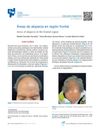 January 2025 in “Revista del Centro Dermatológico Pascua”
 The document presents a clinical case of a 71-year-old woman with fibrosing alopecia in a pattern distribution (FAPD), a scarring type of alopecia affecting the frontal region. It highlights the condition's distinction from androgenetic alopecia through its scarring nature and specific histological features, such as lymphocytic infiltration and follicular degeneration. FAPD is more prevalent in postmenopausal women and lacks definitive treatment guidelines. Current treatments, including oral minoxidil, spironolactone, and topical steroids, focus on halting progression rather than promoting hair regrowth in scarred areas. Early diagnosis and intervention are essential for improving outcomes.
 13 citations
,
October 2013 in “Dermatologic Therapy”
13 citations
,
October 2013 in “Dermatologic Therapy” ATE is linked to FAA, and treatment depends on cause; minoxidil helps, finasteride may worsen.
 November 2022 in “The journal of investigative dermatology/Journal of investigative dermatology”
 New imaging technology can show up to 40 different markers in hair loss tissue, helping to understand hair disease better.
 10 citations
,
December 2005 in “Aktuelle Dermatologie”
10 citations
,
December 2005 in “Aktuelle Dermatologie” Alfatradiol (0.025%) is an effective and safe treatment for hair loss in both women and men.
March 2025 in “Revista Foco” Early diagnosis of Alopecia Frontal Fibrosante is crucial for effective treatment.
 16 citations
,
January 2007 in “Actas dermo-sifiliográficas/Actas dermo-sifiliográficas”
16 citations
,
January 2007 in “Actas dermo-sifiliográficas/Actas dermo-sifiliográficas” The document concludes that there are no reliable treatments for frontal fibrosing alopecia, with only temporary benefits from current options.
2 citations
,
January 2019 in “Skin appendage disorders” Early diagnosis and quick treatment improve life quality for FFA patients.
36 citations
,
January 2000 in “British journal of dermatology/British journal of dermatology, Supplement” A mother and daughter had severe skin, hair, and eye issues linked to IFAP.
1 citations
,
November 2022 in “International journal of trichology” A girl with a rare skin condition improved after one month of treatment with acitretin.
1 citations
,
June 2025 in “Journal of Clinical Medicine” Frontal fibrosing alopecia often occurs after menopause, with delayed diagnosis and possible links to certain medications and conditions.
24 citations
,
July 2018 in “British Journal of Dermatology” Contact allergies might contribute to frontal fibrosing alopecia.
February 2026 in “Chemical Engineering Journal” PCA hydrogel promotes hair growth by enhancing blood vessel formation and hair follicle stem cell activity.
 3 citations
,
September 2019 in “Skin appendage disorders”
3 citations
,
September 2019 in “Skin appendage disorders” Women with Frontal Fibrosing Alopecia have more wrinkles near their ears than similar aged women without the condition.
 40 citations
,
January 2013 in “International journal of trichology”
40 citations
,
January 2013 in “International journal of trichology” Perifollicular erythema can indicate active frontal fibrosing alopecia.
 1 citations
,
July 1997 in “The Lancet”
1 citations
,
July 1997 in “The Lancet” Scientists found a new protein, AMY117, common in Alzheimer's patients, which could be important for treatment and diagnosis.
 November 2023 in “International Journal of Pharmaceutics”
 The new delivery system improves treatment for hair loss by enhancing drug absorption and effectiveness.
 March 2023 in “Revista médica Clínica Las Condes”
 The study suggests a possible increase in androgen receptors in patients with frontal fibrosing alopecia, but more research is needed.
A specific gene change in APCDD1 increases the risk of hair loss.
13 citations
,
January 2018 in “International Journal of Trichology” Intralesional triamcinolone injections can effectively stop frontal fibrosing alopecia with minimal side effects.
 3 citations
,
November 2020 in “Clinical, Cosmetic and Investigational Dermatology”
3 citations
,
November 2020 in “Clinical, Cosmetic and Investigational Dermatology” Early diagnosis and combination therapy, especially with finasteride and dutasteride, are key to managing Frontal Fibrosing Alopecia effectively.
 April 2018 in “Journal of Investigative Dermatology”
 Fetuin A may increase collagen production and promote scarring.
 1 citations
,
October 2008 in “Expert Review of Dermatology”
1 citations
,
October 2008 in “Expert Review of Dermatology” Frontal Fibrosing Alopecia is a slowly progressing hair loss condition, likely underdiagnosed, with ineffective treatments, needing more research to understand it fully.