Drinking sweetened tea and poor sleep habits may increase the risk of hair loss in women.
Drinking sweetened tea and late bedtimes increase the risk of hair loss in women.
Drinking sweetened tea and poor sleep increase the risk of hair loss in women.
 March 2024 in “International journal of pharmaceutical sciences and drug research”
 Androgenetic alopecia is influenced by various factors and can be treated with medications, procedures, and non-drug methods.
 December 2022 in “International Journal of Biomedicine”
 Androgens may worsen COVID-19 and hair loss could indicate the disease's severity.
 August 2012 in “Expert Review of Dermatology”
 Men with early hair loss may have a higher risk of enlarged prostate and possibly prostate cancer due to shared hormonal factors.
research TOC
September 2003 in “Clinics in Family Practice” The document lists dermatology topics across life stages and notes hair loss can affect self-esteem and early skin cancer treatment is crucial.
 August 2020 in “Actas Dermo-Sifiliográficas”
 PRP injections improve hair density in men with hair loss, with few short-term side effects.
 June 2019 in “Brain Imaging and Behavior”
 Hair loss can indicate brain aging and potential small vessel disease, but more research is needed to understand the clinical impact.
 May 2013 in “Journal of the Egyptian Women's Dermatologic Society (Print)”
 High aldosterone and free testosterone levels link to female hair loss; testing aldosterone may predict hypertension risk.
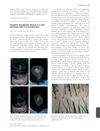 July 2011 in “British Journal of Dermatology”
 Hormone treatment caused hair loss, finasteride helped regrowth.
 January 2025 in “Annals of Dermatology”
 PCA patients have more harmful bacteria and antibiotic resistance, needing specific testing for treatment.
1 citations
,
March 2022 in “Irish Journal of Medical Science” Men with androgenetic alopecia and hypertension may experience more severe COVID-19.
 June 2023 in “Skin Research and Technology”
 Using platelet-rich plasma injections and 5% minoxidil topically can safely and effectively treat mild-to-moderate male pattern baldness.
67 citations
,
August 2005 in “Journal of Investigative Dermatology Symposium Proceedings” Androgens promote beard growth but cause hair loss in androgenetic alopecia, with TGF-β1 as a potential treatment target.
 January 2025 in “Clinical and Translational Medicine”
 A specific RNA can help hair growth in baldness by boosting stem cell activity.
 June 2023 in “Skin Research and Technology”
 High-resolution MRI can distinguish between tertiary androgenetic alopecia and severe alopecia areata by measuring scalp and tissue thickness and hair follicle depth.
 January 2026 in “Frontiers in Nutrition”
 Certain dietary supplements can improve hair density and are well-tolerated for treating androgenetic alopecia.
January 2026 in “Medicine” Higher LDL cholesterol may increase the risk of hair loss, while HDL cholesterol does not.
 12 citations
,
July 2020 in “DOAJ (DOAJ: Directory of Open Access Journals)”
12 citations
,
July 2020 in “DOAJ (DOAJ: Directory of Open Access Journals)” Men with hormonal imbalances similar to PCOS may have increased risk of metabolic and heart diseases.
3 citations
,
July 2024 in “Skin Research and Technology” Asthma may increase the risk of alopecia areata.
 1 citations
,
August 2024 in “Skin Research and Technology”
1 citations
,
August 2024 in “Skin Research and Technology” There is no causal relationship between androgenetic alopecia and serum uric acid.
 December 2024 in “Medicine”
 Gut bacteria may affect hair loss risk.
 September 2023 in “Clinical, Cosmetic and Investigational Dermatology”
 Higher SHBG levels are linked to less severe hair loss in women, but vitamin D levels don't seem to affect hair loss.
January 2023 in “International Journal of Trichology” Low-level laser therapy is safe but not significantly better than minoxidil alone for hair growth.

Women with a certain type of hair loss have more copper in the back of their head than the front, and treatment can normalize hair but not copper levels.
11 citations
,
October 2021 in “Journal of The European Academy of Dermatology and Venereology” Topical finasteride is an effective and safer treatment for male hair loss.
 4 citations
,
November 2021 in “Pharmaceuticals”
4 citations
,
November 2021 in “Pharmaceuticals” Paeonia lactiflora and Poria cocos extracts can potentially increase hair growth and reduce hair loss symptoms by lowering testosterone and inflammation levels.
3 citations
,
May 2020 in “Journal of The Korean Medical Association” Minoxidil and finasteride are effective for treating hair loss, with dutasteride showing potential but with side effects.
 1 citations
,
May 2020 in “Reproductive Endocrinology”
1 citations
,
May 2020 in “Reproductive Endocrinology” The document concludes that hair loss and acne in women can be due to both androgen-related and unrelated causes, requiring a collaborative treatment approach.