 November 2023 in “ACS Omega”
 New liposome treatment successfully delivers CRISPR to deactivate a key enzyme in androgen-related disorders.
November 2023 in “Biology” N6-methyladenosine affects hair follicle development differently in Rex and Hycole rabbits.
November 2023 in “Children” Many pediatric epilepsy patients experience preventable severe adverse drug reactions, especially with certain medications and risk factors.
October 2023 in “Cancers” Skin cancer in sun-exposed areas is more likely to come back.
September 2023 in “International journal of molecular sciences” Targeting lipid metabolism can help treat advanced, resistant cancers.
 June 2023 in “Pharmaceuticals”
 Men and women respond differently to drugs for COVID-19, high cholesterol, and diabetes, which suggests a need for personalized treatments.
 March 2023 in “Lecture Notes in Education Psychology and Public Media”
 Beards and long hair may affect how attractive someone is to the opposite sex.
 January 2023 in “Journal of surgery and research”
 New treatment effectively reverses hair thinning in most patients with mild side effects.
 November 2022 in “JAAD case reports”
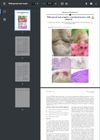
 A man with skin and hair symptoms improved partially with specific treatment.
November 2001 in “The Journal of neuropsychiatry and clinical neurosciences/The journal of neuropsychiatry and clinical neurosciences” Divalproex sodium can unexpectedly cause agitation and hyperactivity in some patients.
Early baldness and little chest hair may indicate higher prostate cancer risk.
 May 2021 in “Journal of the Endocrine Society”
 The case shows the importance of quick and thorough evaluation of adrenal tumors to prevent rapid disease progression and poor outcomes.
 January 2025 in “Journal of the Egyptian Womenʼs Dermatologic Society”
 Higher substance P levels may cause discomfort in hair loss patients.
January 2014 in “The Journal of Dermatology” Korean adolescents with androgenetic alopecia often have a family history, milder symptoms than adults, and normal hormone levels.
 7 citations
,
January 2016 in “Clinical Hemorheology and Microcirculation”
7 citations
,
January 2016 in “Clinical Hemorheology and Microcirculation” AGA patients have higher heart disease risk.
January 2009 in “China Practical Medicine” Certain genes help dermal papillae cells in hair follicles grow and group together.
 43 citations
,
May 1988 in “British Journal of Dermatology”
43 citations
,
May 1988 in “British Journal of Dermatology” Patients with acanthosis nigricans often have insulin resistance and signs of increased male hormones, but treatment targeting these male hormones is generally ineffective.
More men have androgenic alopecia than women, with stress linked to the condition in both genders.
June 2026 in “Journal of Applied Animal Welfare Science” Social hair plucking in rhesus macaques is linked to grooming, aggression, and health issues like hair loss, especially in females and lower-ranked individuals.
 56 citations
,
December 2011 in “The Plant Journal”
56 citations
,
December 2011 in “The Plant Journal” AGD1 is important for root hair development in Arabidopsis, working with phosphoinositide signaling and the actin cytoskeleton.
 12 citations
,
September 2011 in “Archives of Dermatological Research”
12 citations
,
September 2011 in “Archives of Dermatological Research” Policemen have more hair loss due to obesity, sunlight exposure, and stress.
November 2025 in “Anxiety Stress & Coping” Higher anxiety symptoms and social behavior affect stress levels in hair.
January 2015 in “Journal of North Sichuan Medical College” Androgenetic alopecia is more common in males, can be influenced by lifestyle, and may be linked to other skin issues.
 April 2018 in “Journal of Investigative Dermatology”
 High amphiregulin in the skin is a bad sign for acute graft-versus-host disease.
14 citations
,
July 1994 in “Archives of Dermatology” People with androgenetic alopecia are more likely to have personality disorders.
 December 2025 in “Naunyn-Schmiedeberg s Archives of Pharmacology”
 Agomelatine may help reduce benign prostatic hyperplasia by blocking certain inflammatory pathways.
 November 2025 in “Frontiers in Psychiatry”
 People with androgenetic alopecia often experience more anxiety, depression, and lower self-esteem.
5 citations
,
June 2011 in “InTech eBooks” High S100B protein levels indicate poor survival in advanced melanoma.
 115 citations
,
November 2004 in “Brain Behavior and Immunity”
115 citations
,
November 2004 in “Brain Behavior and Immunity” Stress increases nerve fibers and immune cell activity in mouse skin, possibly worsening skin conditions.