 February 2025 in “Clinical Cosmetic and Investigational Dermatology”
 Higher fasting insulin levels increase the risk of androgenetic alopecia.

The conclusion is that a treatment called cp-asiAR can reduce hair loss and promote hair growth, making it a potential new therapy for androgenetic alopecia.
September 1989 in “PubMed” Genetic response to androgens is key in female pattern baldness, not SHBG levels.
Defective nuclear transport may cause gene expression changes in Progeria.
7 citations
,
October 2010 in “Medical Hypotheses” Alopecia areata may involve stress-related changes affecting hormone receptors, leading to reduced cortisol production.
4 citations
,
April 2001 in “Experimental Dermatology” Using single dermal papillae is unreliable for analyzing androgen metabolism in hair follicles.
 1 citations
,
June 2023 in “Reproduction”
1 citations
,
June 2023 in “Reproduction” Microglia, the brain's immune cells, may contribute to Polycystic Ovary Syndrome (PCOS) by altering the female brain's structure and function, with kisspeptin neurons and GABA neurotransmitters also playing a role.
 September 2013 in “Science”
 Certain astrocytes can protect the brain and improve recovery after a stroke, and a hair loss drug might reduce cancer spread.
 April 2024 in “Research Square (Research Square)”
 A 27-year-old with APS-1 showed improvement in symptoms after treatment.
15 citations
,
August 2010 in “Fertility and sterility” Metformin works better for adolescent girls with PCOS who have certain genetic variations.
3 citations
,
September 2024 in “Journal of Microbiology and Biotechnology” Human placenta extract reduces inflammation and symptoms in atopic dermatitis.
 November 2017 in “Reactions Weekly”
 Testosterone undecanoate caused hair loss; finasteride improved it but caused stomach issues for one patient.
 8 citations
,
September 2010 in “Journal of Men's Health”
8 citations
,
September 2010 in “Journal of Men's Health” Androgenic Alopecia, a common hair loss condition, can be effectively treated with finasteride and other treatments.
 37 citations
,
February 2017 in “Anais Brasileiros De Dermatologia”
37 citations
,
February 2017 in “Anais Brasileiros De Dermatologia” AGA more common in men, increases with age, linked to family history, hypertension, dyslipidemia, and smoking.
 60 citations
,
September 2016 in “Dermatologic Surgery”
60 citations
,
September 2016 in “Dermatologic Surgery” PRP treatment may stimulate hair growth by promoting blood vessel formation, increasing growth factors, and preventing cell death.
 47 citations
,
October 2016 in “Molecular and Cellular Endocrinology”
47 citations
,
October 2016 in “Molecular and Cellular Endocrinology” Androgens prevent hair growth by changing Wnt signals in cells.
 9 citations
,
November 2017 in “Journal of Glaucoma”
9 citations
,
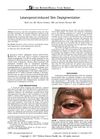
November 2017 in “Journal of Glaucoma” Latanoprost eye drops may cause skin depigmentation.
 February 2021 in “Journal of The American Academy of Dermatology”
 Fibrosis in the bulge area of hair follicles can cause hair thinning in male pattern baldness, and drugs that inhibit fibrosis might help reverse this.
77 citations
,
February 2001 in “Journal of Dermatological Science” HGF activator helps convert HGF to its active form, promoting hair growth.
 April 2019 in “Journal of Investigative Dermatology”
 Increasing COX-2 in mouse skin causes bigger sebaceous glands and thinner hair, but stopping COX-2 can reverse hair thinning.
 January 1986 in “Journal of Steroid Biochemistry”
 Women with severe acne, hirsutism, and androgenic alopecia often have higher levels of certain androgens, but the specific pattern can't be predicted just by looking at symptoms.
 April 2022 in “Journal of The American Academy of Dermatology”
 The document suggests that nerve issues might contribute to hair loss and that testing sensation could predict these nerve problems.
9 citations
,
August 2023 in “Molecules” Two peptides, RMYYY and VMYMI, may be effective anti-inflammatory drugs.
January 2026 in “JCEM Case Reports” Benign conditions can mimic serious ones in postmenopausal hyperandrogenism, requiring careful diagnosis.
Higher alarin levels might link hair loss and metabolic syndrome.
23 citations
,
August 2001 in “PubMed” Finasteride reduces caspase levels, helping hair growth in AGA patients.
 5 citations
,
October 2018 in “Journal of Clinical Laboratory Analysis”
5 citations
,
October 2018 in “Journal of Clinical Laboratory Analysis” Women with PCOS who have high male hormone levels often also have insulin resistance.
3 citations
,
January 2017 in “Gynecological endocrinology” A postmenopausal woman's excess male hormone symptoms were caused by a rare adrenal gland tissue in her ovary.

Androgenetic alopecia (AGA) is a common, hereditary hair loss condition that can be slowed but not permanently reversed with available therapies.
July 2005 in “TSpace (University of Toronto)” Ghrelin and its receptors likely aren't risk factors for PCOS.