 51 citations
,
April 2021 in “JAMA network open”
51 citations
,
April 2021 in “JAMA network open” The AI tool helped primary care doctors and nurse practitioners diagnose skin conditions more accurately.
September 2025 in “The Open Dermatology Journal” The AI showed high accuracy in diagnosing skin conditions but needs improvement for immunological and infectious disorders.
January 2026 in “Open Science Framework” AI in alopecia research needs better tools for predicting treatment outcomes and ensuring fairness.
June 2025 in “British Journal of Dermatology” Trichoscopy is highly effective for diagnosing scalp disorders and should be used more in dermatology.
1 citations
,
December 2024 in “Journal of Cutaneous Medicine and Surgery” AI is useful for diagnosing skin diseases but has limitations to consider before widespread use.
 February 2026 in “Dermatology and Therapy”
 AI can improve hair disorder diagnosis and treatment but can't replace doctors yet.
 November 2025 in “Kufa Journal of Engineering”
 AI can effectively detect hair and scalp disorders from images.

Advancements in diagnostics, treatments, and technology have improved hair loss detection and restoration, with some types being reversible.
 January 2024 in “Wiadomości Lekarskie”
 AI is transforming healthcare by improving diagnostics and therapy, despite challenges with data and trust.
 1 citations
,
January 2026
1 citations
,
January 2026 Use personalized cosmeceuticals for safe, effective hair and scalp treatment.
 June 2026 in “International Journal of Innovative Technologies in Social Science”
 AI can help diagnose women's metabolic disorders earlier but must be used carefully to avoid bias.
3 citations
,
March 2024 in “arXiv (Cornell University)” The new AI system improves remote skin condition diagnosis and access to care.
 January 2024 in “Wiadomości Lekarskie”
 AI is advancing in dermatology and cosmetology, raising questions about its potential and trustworthiness.
March 2026 in “Frontiers in Medicine” A hybrid model using traditional methods, trichoscopy, and AI improves hair loss assessment.
 July 2022 in “Bőrgyógyászati és Venerológiai Szemle”
 Technology, like mobile apps and AI, is improving skin condition diagnosis and treatment.
 5 citations
,
November 2012 in “Actas Dermo-Sifiliográficas”
5 citations
,
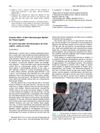
November 2012 in “Actas Dermo-Sifiliográficas” Comma hairs are a new sign for identifying scalp fungal infections.
April 2023 in “Journal of Investigative Dermatology” The MDhair app accurately assesses hair loss severity with 94% accuracy.
2 citations
,
November 2025 in “Cancer Imaging” Ultrasound-based radiomics and radiogenomics can improve ovarian cancer diagnosis and treatment, but need better standardization and AI tools.
October 2023 in “Journal of Mind and Medical Sciences” Early detection and a multidisciplinary approach are crucial for improving gastric cancer survival rates.
 January 2024 in “Wiadomości Lekarskie”
 AI improves medical care by enhancing diagnosis and treatment for better patient outcomes.
 January 2024 in “Wiadomości Lekarskie”
 AI improves vascular surgery by enhancing diagnostics, planning, and monitoring.
February 2025 in “Skin Research and Technology” New non-invasive techniques can improve diagnosis and treatment of scalp and hair diseases.
June 2025 in “British Journal of Dermatology” Standardized forms and digital tools can improve alopecia biopsy diagnosis.
 1 citations
,
December 2022 in “JAMA Dermatology”
1 citations
,
December 2022 in “JAMA Dermatology” The AI system HairComb accurately scores hair loss severity, matching dermatologist assessments.
8 citations
,
May 2024 in “Diagnostics” AI chatbots can help teach dermatology but need careful checking for accuracy.
 January 2024 in “Wiadomości Lekarskie”
 AI improves vascular surgery by enhancing precision and safety, but doctors make final decisions.
 15 citations
,
October 2018 in “Reproductive Biomedicine Online”
15 citations
,
October 2018 in “Reproductive Biomedicine Online” Measuring the distance from the anus to the clitoris may moderately help diagnose polycystic ovary syndrome, especially in certain cases.
 January 2024 in “Wiadomości Lekarskie”
 AI can help diagnose Follicular Lymphoma by accurately identifying specific cell types.
39 citations
,
February 2024 in “Small” Microneedles are becoming essential tools in medicine for sensing, drug delivery, and communication.
 4 citations
,
January 2021 in “Dermatologic Therapy”
4 citations
,
January 2021 in “Dermatologic Therapy” AI is effective in diagnosing and treating hair disorders, including detecting hair loss and scalp conditions with high accuracy, but it should supplement, not replace, doctor-patient interactions.