 March 2026 in “Zenodo (CERN European Organization for Nuclear Research)”
 Eclipta alba has potential health benefits, including anticancer and antibacterial properties.
 September 2023 in “Kerala Journal of Ayurveda”
 Ayurvedic treatment helped a woman with PCOS resume regular periods and improve symptoms without side effects.
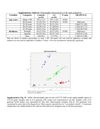 7 citations
,
July 2020 in “Immunological Investigations”
7 citations
,
July 2020 in “Immunological Investigations” The rs231775 genetic variant is linked to a higher risk and severity of Alopecia Areata in males.
Ayurvedic herbs may reduce side effects and improve effectiveness of cancer treatments.
1 citations
,
January 2012 in “Ancient Science of Life” Eclipta alba extract reduces ulcers and protects the stomach in rats.
 1 citations
,
June 2021 in “Wal afiat Hospital Journal”
1 citations
,
June 2021 in “Wal afiat Hospital Journal” Normal BMI is linked to higher rates of androgenetic alopecia.
July 2024 in “GLOBAL JOURNAL FOR RESEARCH ANALYSIS” A 24-year-old man developed both alopecia areata universalis and type 1 diabetes at the same time, which is rare.
July 2025 in “Journal of Ayurveda and Integrated Medical Sciences” Nasya Karma can improve skin and hair health.
 January 2025 in “International journal of Indian medicine”
 Certain herbs in Ayurveda are effective for hair growth, darkening, and health.
4 citations
,
October 2018 in “Journal of drug delivery and therapeutics” Hansraj is effective for various health issues but should not be used during pregnancy.
June 2025 in “International Journal of Ayurveda and Pharma Research” Ayurvedic treatments can effectively regrow hair and prevent recurrence in alopecia areata.
 July 2017 in “International journal of Ayurvedic and herbal medicine”
 Madayantika Siddha Taila is effective for treating Seborrhea capitis.

No link was found between hair patterns and prostate cancer risk in South Indian men.
 13 citations
,
December 2001 in “Dermatologic therapy”
13 citations
,
December 2001 in “Dermatologic therapy” Alopecia areata causes varying hair loss patterns, affecting hair, nails, and possibly glands, with treatment outcomes depending on disease duration and extent.
December 2024 in “African Journal of Biomedical Research” Ayurvedic treatment can effectively improve PCOD symptoms and irregular menstruation.
 February 2024 in “Journal of ayurveda and integrated medical sciences”
 Ayurvedic treatment and Yoga Basti therapy improved a woman's PCOS symptoms.
9 citations
,
January 2018 in “Indian Journal of Endocrinology and Metabolism” Androgenetic alopecia is significantly linked to metabolic syndrome.
8 citations
,
January 2011 in “International journal of trichology” Accurate diagnosis of APL is crucial to avoid unnecessary treatments.
 2 citations
,
December 2021 in “International journal of Ayurveda and pharma research”
2 citations
,
December 2021 in “International journal of Ayurveda and pharma research” Ayurvedic treatment helped reduce PCOS symptoms in a 19-year-old girl.
 December 2023 in “Journal of health and rehabilitation research”
 Oral Apremilast effectively treats alopecia areata in most patients.
5 citations
,
November 2023 in “Journal of Ayurveda and Integrative Medicine” Ayurvedic treatments and cupping therapy effectively managed Alopecia totalis.
People with androgenic alopecia are more likely to have metabolic syndrome than healthy individuals.
 1 citations
,
January 2025 in “American Journal of Translational Research”
1 citations
,
January 2025 in “American Journal of Translational Research” PPARα agonists may help treat alopecia areata by reducing inflammation.
 October 2025 in “Journal of Drug Delivery and Therapeutics”
 Senna Makki is mainly effective as a laxative, but more research is needed for other uses.
2 citations
,
April 2024 in “Medical Journal Armed Forces India”  May 2025 in “Journal of Ayurveda and Integrated Medical Sciences”
 Vedistry Amla + Tablets improve hair health and are safe to use.
1 citations
,
September 2017 in “Journal of Ayurvedic and Herbal Medicine” Ayurvedic treatment and bloodletting effectively reduced hair fall and dandruff, and promoted new hair growth.
8 citations
,
October 2011 in “Anthropologischer Anzeiger” Pubic hair is thicker than axillary and scalp hair, useful for forensic identification.
May 2023 in “Zenodo (CERN European Organization for Nuclear Research)” Bhringaraja is a herb with many health benefits, including liver protection, hair growth, pain relief, and more.