 1 citations
,
January 2023
1 citations
,
January 2023 Alopecia Areata significantly reduces quality of life, especially in women, long-term sufferers, and severe cases.
November 2025 in “SKIN The Journal of Cutaneous Medicine” Ritlecitinib is generally safe for adolescents with alopecia areata over 5 years.
478 citations
,
September 1996 in “Proceedings of the National Academy of Sciences” Overexpression of PTHrP in chondrocytes causes short-limbed dwarfism and delayed bone formation in mice.
54 citations
,
March 1991 in “Proceedings of the National Academy of Sciences” This model can replace animal testing for quick, cost-effective skin toxicity tests.
46 citations
,
May 1995 in “Proceedings of the National Academy of Sciences” A specific gene region can control targeted and responsive gene expression in mice, useful for skin disorder treatments.
34 citations
,
September 1997 in “Acta Dermato Venereologica” RXR agonists may promote hair growth in humans.
14 citations
,
July 1983 in “Acta Dermato Venereologica” A method was developed to grow millions of hair cells from a single hair for research and storage.
6 citations
,
November 1984 in “Acta Dermato Venereologica” Hair follicles and sweat glands show different keratin staining patterns.
 August 2023 in “Journal of Cosmetic Dermatology”
 Some plants like spinach, broccoli, and matcha may boost the effectiveness of the hair growth drug minoxidil.
 July 2013 in “Journal of clinical & experimental dermatology research”
 Bimatoprost can help treat hair loss.
 13 citations
,
September 2018 in “Journal of the American Academy of Dermatology”
13 citations
,
September 2018 in “Journal of the American Academy of Dermatology” The document concludes that a new system using the SALT score should replace the current alopecia areata classification for better accuracy in assessing severity and prognosis.
 12 citations
,
January 2016 in “Journal of Clinical and Investigative Dermatology”
12 citations
,
January 2016 in “Journal of Clinical and Investigative Dermatology” Low vitamin D levels are common in people with Alopecia Areata.
April 2026 in “Pediatric Dermatology” Current tools inadequately measure quality of life in children with alopecia areata, needing better instruments.
January 2026 in “White Rose Research Online (University of Leeds, The University of Sheffield, University of York)” Most patients with alopecia areata did not achieve lasting hair regrowth despite treatment.
 December 2013 in “Praxis medica”
 Using both DLQI and Skindex-16 together gives a better understanding of quality of life in skin disease patients.
 March 2026 in “Mendeley Data”
 rwSALT accurately measures hair regrowth in alopecia areata using scalp photos.
 24 citations
,
June 2021 in “Journal of the European Academy of Dermatology and Venereology”
24 citations
,
June 2021 in “Journal of the European Academy of Dermatology and Venereology” Use specific tools to measure quality of life in alopecia areata patients and improve future treatments.
5 citations
,
February 2023 in “Skin Health and Disease” The Swedish Hairdex-S is a reliable tool for assessing quality of life in Alopecia Areata patients.
 September 2024 in “Journal of the American Academy of Dermatology”
 Continued baricitinib treatment leads to significant scalp hair regrowth in severe alopecia areata patients.
 October 2021 in “International Journal of Research in Dermatology”
 People with alopecia areata often have low vitamin D levels, which may worsen their hair loss.
 December 2023 in “Journal of health and rehabilitation research”
 Oral Apremilast effectively treats alopecia areata in most patients.
 January 2021 in “Turkiye Klinikleri Journal of Dermatology”
 The MPV/PC ratio can help assess disease activity in alopecia areata.
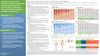 March 2026 in “SKIN The Journal of Cutaneous Medicine”
 All parts of the CLASI-A score are important for assessing skin activity in cutaneous lupus erythematosus.
 September 2024 in “Journal of Cosmetic Dermatology”
 Ectoin helps prevent cortisone-induced skin problems and supports skin health.
April 2024 in “International journal of molecular sciences” Alopecia areata and vitiligo share immune system dysfunction but differ in specific immune responses and affected areas.
40 citations
,
October 2012 in “Journal of the American Academy of Dermatology” CLASI is a valid tool for assessing skin activity and damage in lupus patients.
Higher disease activity in systemic lupus erythematosus is strongly linked to more internal organ damage.
August 2025 in “Clinical and Experimental Dermatology” Alopecia areata treatments often don't lead to lasting improvement.
Excluding alopecia and mucous membrane components from the CLASI-A score reduces its effectiveness in capturing important disease activity.
 September 2023 in “PubMed”
 Baricitinib is a relatively safe and effective treatment for severe alopecia areata.