 2 citations
,
June 2019 in “Boletín médico del Hospital Infantil de México”
2 citations
,
June 2019 in “Boletín médico del Hospital Infantil de México” Tofacitinib treatment is used for teenagers with alopecia areata.
 17 citations
,
January 2019 in “Dermatologic Therapy”
17 citations
,
January 2019 in “Dermatologic Therapy” Tofacitinib is effective and safe for long-term treatment of severe alopecia areata, with many patients achieving complete hair regrowth.
 November 2023 in “Journal of cosmetic dermatology”
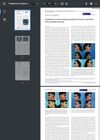
 The 595-nm pulsed dye laser effectively reduces symptoms of EFFC with minimal side effects.
 3 citations
,
September 2022 in “Archives of dermatological research”
3 citations
,
September 2022 in “Archives of dermatological research” The fractional carbon dioxide laser is a safe and effective treatment for alopecia areata and works better than betamethasone valerate cream alone.
 July 2016 in “Dermatologie pro praxi”
 Espumil foam base allows easy preparation of skin medications for hairy areas.
September 2023 in “Journal of the American Academy of Dermatology” Oral difelikefalin significantly reduces itch in notalgia paresthetica.
 3 citations
,
May 2023 in “International Journal of Molecular Sciences”
3 citations
,
May 2023 in “International Journal of Molecular Sciences” A new treatment using nanoparticles can effectively prevent and reduce hair loss caused by chemotherapy.
 39 citations
,
January 2019 in “Journal of the American Academy of Dermatology”
39 citations
,
January 2019 in “Journal of the American Academy of Dermatology” Tofacitinib may help treat severe childhood alopecia areata, but risks require careful consideration.
 34 citations
,
August 2002 in “British Journal of Dermatology”
34 citations
,
August 2002 in “British Journal of Dermatology” ALA-PDT is effective and safe for chronic X-ray dermatitis, providing complete or partial remission.
 January 2025 in “International Journal of Dermatology Venereology and Leprosy Sciences”
 Tofacitinib improved hair regrowth and quality of life in children with alopecia areata, with mild side effects.
July 2024 in “Journal of Controlled Release” Nanostructured lipid carriers effectively deliver tofacitinib to hair follicles, reversing hair loss in alopecia areata.
 November 2023 in “Deleted Journal”
 Combining laser and corticosteroid is not better than corticosteroid alone for treating frontal fibrosing alopecia.
1 citations
,
December 2022 in “Pharmaceutics” Finasteride-loaded microemulsions can effectively enhance skin delivery for treating hair loss.
 130 citations
,
February 2018 in “Journal of Investigative Dermatology”
130 citations
,
February 2018 in “Journal of Investigative Dermatology” Tofacitinib may help treat severe hair loss, but more research is needed.
The plant extract helped increase hair growth in men without severe side effects.
 March 2026 in “Frontiers in Pharmacology”
 Exprecell™ is as effective as traditional methods but produces more f-PRF and is simpler to use.
133 citations
,
July 2006 in “International Journal of Dermatology” The cream effectively and safely reduces facial hair in women.
 September 2023 in “Medicina Estética Revista Científica de la Sociedad Española de Medicina Estética (SEME)”
 The FDA approved Litfulo® for treating severe alopecia areata in people aged 12 and older.
 23 citations
,
September 2017 in “Journal of the American Academy of Dermatology”
23 citations
,
September 2017 in “Journal of the American Academy of Dermatology” Apremilast did not work for treating severe alopecia areata.
 24 citations
,
July 2018 in “Drug Design Development and Therapy”
24 citations
,
July 2018 in “Drug Design Development and Therapy” NTF gel improves finasteride delivery for hair loss treatment, reducing side effects.
January 2007 in “Frontiers in Medicine” Tofacitinib works well for treating alopecia areata, especially when combined with corticosteroids, but is less effective if the disease has lasted over 2 years.
 2 citations
,
September 2022 in “Dermatologic Therapy”
2 citations
,
September 2022 in “Dermatologic Therapy” Tofacitinib is a promising treatment for severe alopecia areata, with many patients experiencing complete or partial hair regrowth.
1 citations
,
February 2025 in “Pediatric Dermatology” Tofacitinib helps hair regrow in some kids with severe alopecia areata, but more research is needed on long-term effects.
 17 citations
,
June 1996 in “The Journal of Steroid Biochemistry and Molecular Biology”
17 citations
,
June 1996 in “The Journal of Steroid Biochemistry and Molecular Biology” FCE 28260 is a stronger and longer-lasting inhibitor of 5α-reductase than finasteride, which may make it a better treatment for certain medical conditions.
 November 2023 in “International Journal of Pharmaceutics”
 The new delivery system improves treatment for hair loss by enhancing drug absorption and effectiveness.
 8 citations
,
October 2018 in “Journal of The American Academy of Dermatology”
8 citations
,
October 2018 in “Journal of The American Academy of Dermatology” The review suggests there's no agreed treatment for Frontal Fibrosing Alopecia, but hydroxychloroquine and 5a-reductase inhibitors are most effective. New treatments like platelet-rich plasma and LED light could help if standard treatments fail.
1 citations
,
December 2011 in “Arzneimittelforschung” The method accurately measures cyproterone acetate in plasma, showing no significant difference between two formulations.
 July 2025 in “Pakistan Journal of Intensive Care Medicine”
 Clobetasol propionate 0.05% ointment is more effective than tacrolimus 0.1% ointment for treating alopecia areata.
 9 citations
,
October 2019 in “Dermatologic Therapy”
9 citations
,
October 2019 in “Dermatologic Therapy” Oral tofacitinib has a moderate success rate and is generally safe for treating hair loss in some patients.
 September 2024 in “Journal of Cosmetic Dermatology”
 Combining CGF and microneedling with betamethasone effectively treats resistant alopecia areata.