 16 citations
,
March 2020 in “Journal of The American Academy of Dermatology”
16 citations
,
March 2020 in “Journal of The American Academy of Dermatology” Oral bicalutamide is safe and effective for female hair loss.
 4 citations
,
June 2013 in “The Journal of Rheumatology”
4 citations
,
June 2013 in “The Journal of Rheumatology” The document concludes that various findings in rheumatology offer insights into disease severity, treatment responses, and potential risks in medication, with some limitations due to unspecified participant numbers.
 April 2023 in “Journal of the American Academy of Dermatology”
 Switching between the medications tofacitinib and baricitinib can be effective for treating hair loss in alopecia areata.
18 citations
,
November 2009 in “Calcified tissue international” A genetic mutation caused severe rickets and alopecia in an Indian patient, but high-dose calcium and phosphate treatment improved their condition.
 April 2024 in “Clinical and experimental dermatology”
 Tofacitinib is effective for severe alopecia areata, similar to oral betamethasone.
Blocking 5α-reductase can reduce sleep deprivation-related behavioral issues in rats.
 March 2026 in “Revista Ibero-Americana de Humanidades, Ciências e Educação”
 L-PRF effectively improved healing and bone integration in dental implant surgery.
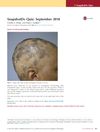 August 2018 in “Journal of Investigative Dermatology”
 Tofacitinib may help regrow hair in alopecia areata patients.
 June 2017 in “Journal of the American Academy of Dermatology”
 Tofacitinib is effective and safe for treating severe alopecia areata and related conditions.
 October 2024 in “Internal Medicine”
 Stopping nalfurafine reversed hair loss in a hemodialysis patient.
 March 2021 in “Clin-Alert”
 The FDA warned about safety issues with remdesivir and tofacitinib, finasteride is linked to suicidality, potent topical corticosteroids increase osteoporosis risk, henna can cause hemolysis in G6PD deficiency, chemotherapeutic agents can cause adverse reactions, drug interactions are common in cancer patients, ketamine can reduce at-risk drinking, high dose of anticholinergics increases dementia risk in Parkinson's patients, and prenatal exposure to second-generation antipsychotics increases pregnancy complications.
April 2025 in “Anais Brasileiros de Dermatologia” Abrocitinib effectively treats severe alopecia areata with significant improvement and no side effects.
16 citations
,
January 2023 in “Regenerative Biomaterials” The scaffold with polydopamine and bioactive glass effectively promotes bone regeneration.
September 2022 in “Journal of The American Academy of Dermatology” Older women taking spironolactone for hair loss may need yearly potassium checks due to a higher risk of hyperkalemia.
 16 citations
,
October 1994 in “The Journal of Steroid Biochemistry and Molecular Biology”
16 citations
,
October 1994 in “The Journal of Steroid Biochemistry and Molecular Biology” Two non-steroidal antiandrogens, RU 58841 and RU 56187, form a common metabolite at different rates, which may influence their effects; RU 56187 could be used for prostate cancer treatment and RU 58841 for acne treatment.
 January 2025 in “Journal of Cutaneous Immunology and Allergy”
 Baricitinib is effective for treating severe alopecia areata in Japanese patients, but long-term safety needs more study.
 September 2013 in “Neurodegenerative disease management”
 Teriflunomide is effective and generally safe for treating relapsing multiple sclerosis, reducing relapse rates and disability progression.
 September 2024 in “Skin Appendage Disorders”
 Tofacitinib helped a woman regrow her hair without relapses after other treatments failed.
 1 citations
,
January 2018 in “Journal of Steroids & Hormonal Science”
1 citations
,
January 2018 in “Journal of Steroids & Hormonal Science” Oral vitamin D treatment can help some children with alopecia areata who have vitamin D deficiency.
 82 citations
,
April 1981 in “Clinical endocrinology”
82 citations
,
April 1981 in “Clinical endocrinology” A girl with rickets and hair loss was found to have a rare condition where her body didn't respond to vitamin D treatment.
 December 2025 in “Indian Journal of Case Reports”
 Stopping azathioprine improved hair loss and bone marrow issues.
 August 2018 in “Journal of the American Academy of Dermatology”
 Tofacitinib is a potential alternative treatment for alopecia totalis, especially in patients with a shorter duration of the condition and more preserved hair follicles, but the overall response rate is low.
March 2019 in “Reactions Weekly” 1 citations
,
June 2007 in “Journal of Clinical Oncology” Weekly bicalutamide is safe and effective, with 50 mg/week recommended.
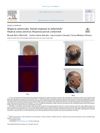 1 citations
,
July 2019 in “Medicina Clínica (English Edition)”
1 citations
,
July 2019 in “Medicina Clínica (English Edition)” Tofacitinib partially improved hair regrowth in a patient with severe hair loss.
 January 2024 in “Archives of dermatological research”
 Both treatments for alopecia areata showed similar modest effectiveness.
 6 citations
,
April 2013 in “Journal of Investigative Dermatology”
6 citations
,
April 2013 in “Journal of Investigative Dermatology” Spironolactone might lower the chance of getting rosacea.
January 1994 in “Toxicological Sciences” Lower dosages of 2-(difluoromethyl)-dl-ornithine might reduce side effects, supporting further research.