Search
for
Sort by
Research
90-120 / 1000+ resultsresearch Denosumab-induced alopecia areata with lichenoid eruption
Denosumab, a bone loss treatment, may cause hair loss and skin reactions due to immune system effects.
research Signal Mining for Non-Bleeding Adverse Event in Novel Oral Anticoagulants: A Pharmacovigilance Study Based on the FAERS Database
Different oral anticoagulants cause various non-bleeding side effects, so careful monitoring is needed.
research Drug safety evaluation of exemestane
Exemestane is effective and safe for treating certain breast cancers, with mild side effects, but needs more research on long-term effects.
research BH08 Unprovoked pulmonary emboli in a patient with alopecia areata treated with ritlecitinib: a case report
Ritlecitinib may cause serious side effects like blood clots in alopecia areata patients.
research Effect of injectable calcium alginate-amelogenin hydrogel on macrophage polarization and promotion of jaw bone osteogenesis
The hydrogel helps bone growth and healing in jaw and facial defects.
research Arsenic Trioxide as Effective Therapy for Relapsed Acute Promyelocytic Leukemia
Arsenic trioxide effectively treats relapsed acute promyelocytic leukemia with manageable side effects.
research Reporting on Adverse Clinical Events
Monitoring for adverse effects in clinical treatments is crucial.
research Long-term Efficacy and Safety of Ritlecitinib in Adults and Adolescents with Alopecia Areata: 3-year Results from the ALLEGRO-LT Phase 3, Open-label Study
Ritlecitinib is effective and safe for long-term treatment of alopecia areata.
research Finasteride/spironolactone
research Safety Assessment of Ritlecitinib Based on the FDA Adverse Event Reporting System (FAERS) Database: A Real‐World Pharmacovigilance Study
Ritlecitinib has common side effects like headache and acne, and unexpected ones like diabetes and thyroid issues.
research Strontium zinc silicate simultaneously alleviates osteoporosis and sarcopenia in tail-suspended rats via Piezo1-mediated Ca2+ signaling
Strontium zinc silicate may help treat osteoporosis and muscle loss.
research 598 Response to ritlecitinib treatment based on salt improvement scores in patients with alopecia areata (AA): Post hoc analysis of the allegro phase 2b/3 study
Ritlecitinib significantly improves scalp hair regrowth in alopecia areata patients over time.
research Comprehensive Safety Exposure‐Response Analysis to Support Ritlecitinib Dose Selection
A 50 mg non-loading dose of ritlecitinib is safe for adults and adolescents.
research Alopecia areata: Ritlecitinib generates substantial re-growth of scalp hair
Ritlecitinib significantly regrows scalp hair in people with alopecia areata.
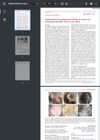
research Upadacitinib for management of alopecia areata and rheumatoid arthritis: Letter to the editor
Upadacitinib significantly improved both rheumatoid arthritis and alopecia areata in a patient.
research Abstract A12: Androgen receptor inhibition is involved in Finasteride-reduced AML cell proliferation
Finasteride reduces AML cell growth by inhibiting androgen receptors.
research The combined use of intravenous and oral calcium for the treatment of vitamin D dependent rickets type II (VDDRII)
Intravenous and oral calcium effectively treated vitamin D dependent rickets type II, improving growth and bone health.
research Adverse events associated with aromatase inhibitors: an analysis of real-world datasets and drug-gene interaction network
Aromatase inhibitors can cause various adverse reactions, so monitoring is crucial.
research SAT-724 Persistently Elevated Alkaline Phosphatase in an Older Woman with a History of Breast Cancer
Stopping Viviscal, a hair loss product, normalized the woman's elevated alkaline phosphatase levels.
research OSTEOPOROSIS
research Long-Term Efficacy and Safety of Ritlecitinib in Adults and Adolescents with Alopecia Areata: 3-Year Results from the ALLEGRO Phase 2b/3 and ALLEGRO-LT Phase 3 Clinical Studies
Ritlecitinib is effective and safe for long-term use in treating severe alopecia areata in people aged 12 and older.
research Long-Term Efficacy of Ritlecitinib up to Month 24 From the ALLEGRO Phase 2b/3 and Long-Term Phase 3 Clinical Studies in Alopecia Areata
Ritlecitinib is effective for long-term treatment of severe alopecia areata.
research Distribution of SALT Scores with Ritlecitinib Treatment up to 24 months from the ALLEGRO Phase 2b/3 and Long-Term Phase 3 Clinical Studies in Alopecia Areata
Ritlecitinib effectively reduces severe hair loss in alopecia areata over 24 months.
research Long-Term Efficacy and Complete Scalp Hair Regrowth in Patients With Alopecia Areata Receiving Ritlecitinib 50 mg QD Up to 3 Years in the ALLEGRO Clinical Trial Program
Ritlecitinib 50 mg effectively promotes and sustains hair regrowth in alopecia areata patients.
research The selective androgen receptor modulator GTx‐024 (enobosarm) improves lean body mass and physical function in healthy elderly men and postmenopausal women: results of a double‐blind, placebo‐controlled phase II trial
Enobosarm significantly increased muscle mass and improved physical function in elderly men and postmenopausal women without serious side effects.
research USE OF RITLECITINIB FOR THE TREATMENT OF ALOPECIA AREATA
Ritlecitinib effectively treats alopecia areata in patients 12 and older with fewer side effects.
research Nurses' Drug Alert
Some drugs can cause serious side effects, like hypoglycemia from mix-ups, skin reactions, or depression, and while penicillamine may help rheumatoid arthritis more than auranofin, it has more severe side effects.
research Bilateral osteonecrosis of the femoral head associated with corticosteroid therapy for alopecia areata: a case report and review of the literature
Corticosteroid therapy for alopecia areata can cause severe hip bone damage.
research Treatment of Del(5q) Myelodysplastic Syndrome with All-Trans-Retinoic Acid and Tocopherol-α.
The treatment was not recommended due to limited effectiveness and significant side effects.