March 2016 in “International Journal of Infectious Diseases” Peginterferon alpha-2a effectively treats acute hepatitis C in hemodialysed patients, despite some side effects.
Tofacitinib and low-dose IL-2 may help maintain hair regrowth in alopecia areata without ongoing treatment.
4 citations
,
May 2023 in “Cells” Baricitinib and its combination with lonafarnib improve fat cell formation in certain genetic disorders.
1 citations
,
November 2023 in “SKIN The Journal of Cutaneous Medicine” January 2024 in “Pharmacoepidemiology” Patients with rheumatoid arthritis using tofacitinib had more serious side effects than those with alopecia areata.
 January 2023 in “Bioorganičeskaâ himiâ”
 The new compound is a promising, less toxic alternative to finasteride for treating prostate issues.
2 citations
,
January 2023 in “Anais Brasileiros de Dermatologia”  4 citations
,
January 2022 in “Dermatologic Therapy”
4 citations
,
January 2022 in “Dermatologic Therapy” Tofacitinib was found to be a safe and effective treatment for hair regrowth in patients with alopecia areata.
November 2025 in “SKIN The Journal of Cutaneous Medicine” Ritlecitinib 50 mg effectively promotes and sustains hair regrowth in alopecia areata patients.
2 citations
,
September 2024 in “Journal of the American Academy of Dermatology” 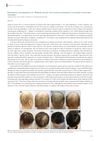 8 citations
,
May 2017 in “Singapore Medical Journal”
8 citations
,
May 2017 in “Singapore Medical Journal” A Korean woman with complete hair loss regrew her hair after taking tofacitinib, with no side effects.
 June 2020 in “Journal of Investigative Dermatology”
 Getting insurance to cover the hair loss treatment tofacitinib is hard because it's not officially approved for that use.
22 citations
,
March 2017 in “Transplant Infectious Disease” Leflunomide successfully treated a rare skin condition in a liver transplant patient.
 3 citations
,
February 2024 in “Journal of the American Academy of Dermatology”
3 citations
,
February 2024 in “Journal of the American Academy of Dermatology” Topical tofacitinib cream may help treat certain hair loss conditions with fewer risks.
July 2019 in “Medical Science and Discovery” Early diagnosis and treatment can prevent or delay frontal fibrosing alopecia progression in postmenopausal women.
3 citations
,
March 2025 in “Journal of Clinical Medicine” Ritlecitinib effectively treats alopecia areata with manageable side effects.
January 2025 in “International Journal of Pharmaceutics” The treatment showed significant hair regrowth in alopecia areata patients without side effects.
November 2024 in “Skin Appendage Disorders” Clinicians should consider individual factors and communicate risks and benefits when prescribing ritlecitinib for adolescent alopecia areata.
 December 2023 in “Journal of Multiple Sclerosis and Neuroimmunology”
 Teriflunomide can cause hair thinning.
March 2025 in “Revista Foco” Early diagnosis of Alopecia Frontal Fibrosante is crucial for effective treatment.
51 citations
,
July 2003 in “Annals of the Rheumatic Diseases” Co-trimoxazole may help treat autoimmune diseases.
 February 2024 in “International Journal of Pharmaceutics”
 A new hair loss treatment combining minoxidil and cedrol improves hair growth and reduces side effects.
 2 citations
,
March 2022 in “Modern Rheumatology Case Reports”
2 citations
,
March 2022 in “Modern Rheumatology Case Reports” A medicine called tofacitinib worked to treat a hair loss condition linked with a muscle and skin disease.
 1 citations
,
January 2023 in “Przegląd Dermatologiczny”
1 citations
,
January 2023 in “Przegląd Dermatologiczny” The Polish Society of Dermatology recommends treatments for alopecia areata that vary by severity, including topical and systemic medications, with long-term maintenance important for management.
February 2025 in “Journal of the European Academy of Dermatology and Venereology” Oral dutasteride is a recommended first treatment for frontal fibrosing alopecia.
 2 citations
,
November 2021 in “ACG Case Reports Journal”
2 citations
,
November 2021 in “ACG Case Reports Journal” Tofacitinib successfully treated hair loss in a Crohn's disease patient who previously used adalimumab.
December 2016 in “Journal of Pakistan Association of Dermatology” Systemic cyproterone acetate and 5% topical minoxidil are effective and safe for treating female pattern hair loss.
 October 2007 in “Inpharma Weekly”
  6 citations
,
July 2026 in “Zenodo (CERN European Organization for Nuclear Research)”
6 citations
,
July 2026 in “Zenodo (CERN European Organization for Nuclear Research)” Finasteride and dutasteride have limited use in feminising therapy and are not recommended for routine use.