Search
for
Sort by
Research
210-240 / 1000+ results
research The Use of Trilostane for the Treatment of Alopecia X in Alaskan Malamutes
Trilostane effectively treated hair loss in Alaskan Malamutes with no adverse effects.
research [Assessment of efficacy of Diane-35 in androgenetic feminine alopecia].
Diane-35 effectively reduces hair loss and thinning in women.
research Inhibition of neurosteroid synthesis increases asphyxia-induced brain injury in the late gestation fetal sheep
Reducing neurosteroid levels worsens brain injury in fetal sheep.
research A New Era of 5α-Reductase Inhibitors for Androgenetic Alopecia
New drug dutasteride effectively treats hair loss, but use cautiously due to potential sexual side effects.
research A Phase 1 Study to Investigate the Effects of Cortexolone 17α‐Propionate, Also Known as Clascoterone, on the QT Interval Using the Meal Effect to Demonstrate ECG Assay Sensitivity
Clascoterone is safe for the heart, even at high doses.
research Inibição seletiva da 5α-redutase e preservação da aromatase no transplante capilar
A balanced approach using dutasteride and Serenoa repens can improve hair transplant success by protecting follicles and minimizing side effects.
research Torilin fromTorilis japonica,as a New Inhibitor of Testosterone 5α-Reductase
Torilin from Torilis japonica can inhibit testosterone 5α-reductase but is less effective than finasteride.
research Efficacy and safety of oral finasteride versus dutasteride in moderate-to-severe androgenetic alopecia in males based on trichoscopic and laboratory findings: a clinical comparison in Iran
Finasteride and dutasteride both improve hair growth effectively, but dutasteride has stronger anti-androgen effects and finasteride may cause more sexual side effects.
research Pengaruh Perbedaan Metode Pembuatan Ekstrak Alergenik Dari Debu Rumah Yang Mengandung Tungau Terhadap Potensinya Yang Dibuat Dengan Metode Diephuis Dan Metode Voorhorst
Further trials are needed to explore the efficacy of triamcinolone acetonide in dermatology.
research IN SILICO STUDY OF 12 PHYTOSTEROL COMPOUNDS IN MORINGA (MORINGA OLEIFERA LAMK.) SEED OIL ON 5Α-REDUCTASE ENZYME INHIBITION ACTIVITY AS ANTI-ALOPECIA
Ergostadienol from Moringa seed oil may help prevent hair loss.
research Female Androgenetic Alopecia Treated by Finasteride: A Case Forward
research Neurosteroid allopregnanolone attenuates development of nicotine withdrawal behavior in mice
Allopregnanolone may help prevent nicotine withdrawal symptoms.
research Gender-Affirming Hormonal Treatment in Transgender People Assigned Female at Birth (AFAB)
research Efficacy and safety of dutasteride in the treatment of alopecia: a comprehensive review
Dutasteride is more effective than finasteride for hair loss but may affect male fertility and should be used cautiously.
research Effect of dutasteride 0.5 mg/d in men with androgenetic alopecia recalcitrant to finasteride
Dutasteride helps hair growth in those unresponsive to finasteride, but may cause more sexual dysfunction.
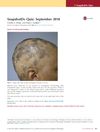
research SnapshotDx Quiz: September 2018
Tofacitinib may help regrow hair in alopecia areata patients.
research Alopecia and drug eruption of the scalp associated with a new beta-blocker, nadolol.
Stopping the beta-blocker nadolol led to quick hair regrowth and improved scalp condition.
research Beyond Boundaries: The Transformative Potential of Spironolactone in Female Pattern Hair Loss
Spironolactone effectively treats female pattern hair loss but requires ongoing use to maintain results.
research Appropriateness of oral drugs for long-term treatment of lower urinary tract symptoms in older persons: results of a systematic literature review and international consensus validation process (LUTS-FORTA 2014)
Dutasteride, fesoterodine, and finasteride are beneficial for older patients, while most other drugs should be used cautiously or avoided.
research Coming full circle (almost): Low dose oral minoxidil for alopecia
Low-dose oral minoxidil is an effective and safe treatment for hair loss.
research Efficacy and safety of a new clobetasol propionate 0.05% foam in alopecia areata: a randomized, double‐blind placebo‐controlled trial
The new clobetasol propionate foam is effective and safe for treating alopecia areata.
research Retrospective Case Study to Understand the Role of Fluoric Acid in Alopecia Areata at Dr. Batra’s Clinics
Fluoric Acid helps regrow hair and reduces relapse in Alopecia Areata.
research A randomized comparative study between intralesional vitamin D3 and intralesional triamcinolone acetonide in the treatment of alopecia areata
Vitamin D3 is a safe and effective alternative to steroids for treating alopecia areata, with fewer side effects.
research Antihormonal properties of some new A-homo-B, 19-dinor steroids of the androstane series
New A-homo-B, 19-dinor steroids showed strong antiandrogenic activity without affecting the enzyme 5α-reductase or androgen receptor binding.
research Combination oral minoxidil and spironolactone for the treatment of androgenetic alopecia in adolescent females / supplemental files
research Drug Information Analysis Service
Cromolyn sodium's effectiveness for treating asthma in children under 2 is unclear, possibly more beneficial for older children, and further research is needed.
research Finasteride in The Treatment of Female Androgenic Alopecia
Finasteride may help postmenopausal women with hair loss but is not effective for all and should be used cautiously in premenopausal women.
research Synergistic treatment of androgenetic alopecia with follicular co-delivery of minoxidil and cedrol in metal-organic frameworks stabilized by covalently cross-linked cyclodextrins
A new hair loss treatment combining minoxidil and cedrol improves hair growth and reduces side effects.
research Uso de la espironolactona en dermatología: acné, hidradenitis supurativa, alopecia femenina e hirsutismo
Spironolactone is effective for acne, hidradenitis suppurativa, female hair loss, and hirsutism but is underused in dermatology.