 August 2025 in “medRxiv (Cold Spring Harbor Laboratory)”
 5-alpha reductase inhibitors may increase depression risk by 31%, but results vary based on comparison groups.
Baricitinib effectively treats alopecia areata, with over half of patients improving after 52 weeks.
 17 citations
,
August 2011 in “Current Medicinal Chemistry”
17 citations
,
August 2011 in “Current Medicinal Chemistry” New treatments for enlarged prostate are being developed, some of which may be more effective than current medications.
 September 2025 in “Journal of the American Academy of Dermatology”
 Using 5α-reductase inhibitors for hair loss in women doesn't increase cancer risk.
June 2011 in “British Journal of Urology” Regulatory challenges make developing combination therapies in urology difficult and costly.
 2 citations
,
October 2021 in “Asian Journal of Andrology”
2 citations
,
October 2021 in “Asian Journal of Andrology” Medications for hair loss and prostate issues can significantly increase the risk of sexual side effects and other negative symptoms.
 2 citations
,
January 2017 in “Annals of Dermatology”
2 citations
,
January 2017 in “Annals of Dermatology” Taking 5-alpha reductase inhibitors does not increase breast cancer risk in men.
 68 citations
,
April 2002 in “Journal of Alternative and Complementary Medicine”
68 citations
,
April 2002 in “Journal of Alternative and Complementary Medicine” Natural 5AR inhibitors effectively improve mild to moderate hair loss in men.
 December 2023 in “Journal of Ayub Medical College Abbottabad”
 Ritlecitinib effectively treats alopecia areata in patients 12 and older with fewer side effects.
 3 citations
,
March 2020 in “The Journal of Urology”
3 citations
,
March 2020 in “The Journal of Urology” Older patients sticking to their prostate medication saw lasting health benefits.
July 2024 in “Journal of Investigative Dermatology” DS-2325a is safe and well-tolerated, supporting further development for Netherton Syndrome treatment.
 June 2024 in “International Journal of Dermatology”
 Upadacitinib may effectively treat resistant lichen planopilaris.
November 2025 in “SKIN The Journal of Cutaneous Medicine” Baricitinib is effective and safe for treating severe alopecia areata for up to 5 years.
 16 citations
,
March 2015 in “Clinical Cancer Research”
16 citations
,
March 2015 in “Clinical Cancer Research” The document concludes that side effects from Smoothened inhibitor drugs for skin cancer are reversible and can be managed with a team approach to maintain quality of life.
 119 citations
,
October 1992 in “Fundamental & Clinical Pharmacology”
119 citations
,
October 1992 in “Fundamental & Clinical Pharmacology” Potassium channel openers could help treat cardiovascular diseases and asthma but require better targeting to specific tissues for effective use.
 19 citations
,
May 2014 in “Molecules”
19 citations
,
May 2014 in “Molecules” Avicequinone C, a compound found in the Avicennia marina plant, can reduce hair loss by inhibiting a hormone linked to androgenic alopecia.
 November 2025 in “Mendeley Data”
 JAK inhibitors can be safely used for alopecia areata in patients with latent hepatitis B or stable tuberculosis with proper monitoring.
 July 2024 in “Age and Ageing”
 Men taking dutasteride may have a higher risk of age-related macular degeneration.
April 2011 in “ChemInform” A new compound may effectively inhibit the enzyme linked to BPH and hair loss.
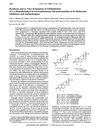 12 citations
,
April 1995 in “Journal of Medicinal Chemistry”
12 citations
,
April 1995 in “Journal of Medicinal Chemistry” The new compounds moderately block a specific enzyme and strongly counteract a male hormone, suggesting potential for treating certain male-related health conditions.
9 citations
,
August 2020 in “International Journal of Molecular Sciences” New compounds may help treat heart disease by activating specific potassium channels.
3 citations
,
March 2012 in “Arab Journal of Urology” Certain drugs can reduce bladder muscle contractions, potentially helping treat bladder diseases.
 February 2024 in “PloS one”
 Tofacitinib and adalimumab are promising treatments for cicatricial alopecia with few side effects.
July 2025 in “Pharmaceutics” Recombinant Human Annexin A5 may help treat localized scleroderma by reducing skin thickening and inflammation.
 3 citations
,
May 2023 in “Clinical drug investigation”
3 citations
,
May 2023 in “Clinical drug investigation” JAK inhibitors for alopecia areata are linked to minor side effects like headache and acne, but not to an increased risk of serious adverse events.
October 2013 in “Urology Times eNews” The FDA approved using Cialis with Proscar for better treatment options.
 29 citations
,
September 2014 in “Current Opinion in Endocrinology, Diabetes and Obesity”
29 citations
,
September 2014 in “Current Opinion in Endocrinology, Diabetes and Obesity” Finasteride and dutasteride effectively treat hair loss in men and women, but may cause side effects like low libido and depression.
 23 citations
,
November 2015 in “Phytotherapy Research”
23 citations
,
November 2015 in “Phytotherapy Research” Certain herbal compounds, especially from bitter melon, can inhibit cancer growth and promote hair growth by blocking PAK1.
 July 2025 in “The Journal of Dermatology”
 Ritlecitinib has common side effects like headache and acne, and unexpected ones like diabetes and thyroid issues.
 December 2025 in “International Journal of Innovative Technologies in Social Science”
 Ritlecitinib is generally safe for long-term use, with mostly mild side effects.