13 citations
,
July 2008 in “Biomedical Chromatography” The methods accurately measured brain androgens, showing most 5α-androstane-3α,17β-diol comes from outside the brain, while androsterone is both transported and made in the brain.
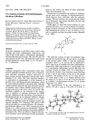 December 1998 in “Acta Crystallographica Section C-crystal Structure Communications”
 A new compound with strong antiandrogenic effects was found, potentially useful for treating conditions like acne and prostate cancer.
 September 2023 in “Biology of reproduction”
 New testosterone analogs show promise for male contraception with better activity and potentially fewer side effects.
 January 2022 in “Current Enzyme Inhibition”
 New nonsteroidal molecules can potentially increase dihydrotestosterone in neurons by blocking certain enzymes, without affecting prostate and seminal vesicle weight.
 January 1983 in “Elsevier eBooks”
 Cyproterone acetate is used to treat conditions like prostate cancer, early puberty, excessive sexual drive, and female androgenization by affecting androgen functions and suppressing certain hormones.
 27 citations
,
January 1984 in “Pharmacology & Therapeutics”
27 citations
,
January 1984 in “Pharmacology & Therapeutics” Antiandrogens have important biological effects, but more research is needed to understand them fully and compare their effectiveness and side effects to other treatments.
 16 citations
,
October 1994 in “The Journal of Steroid Biochemistry and Molecular Biology”
16 citations
,
October 1994 in “The Journal of Steroid Biochemistry and Molecular Biology” Two non-steroidal antiandrogens, RU 58841 and RU 56187, form a common metabolite at different rates, which may influence their effects; RU 56187 could be used for prostate cancer treatment and RU 58841 for acne treatment.
19 citations
,
March 2010 in “Steroids” Certain progesterone derivatives can inhibit enzymes and reduce androgenic activity, potentially affecting prostate growth.
 11 citations
,
February 2016 in “Current Medicinal Chemistry”
11 citations
,
February 2016 in “Current Medicinal Chemistry” New treatments for prostate cancer and BPH show promise, including novel compounds that target hormone synthesis and response.
5 citations
,
November 2015 in “Journal of Enzyme Inhibition and Medicinal Chemistry” Certain derivatives are more effective 5α-reductase type 2 inhibitors than finasteride.
 26 citations
,
October 2011 in “International Journal of Biological Macromolecules”
26 citations
,
October 2011 in “International Journal of Biological Macromolecules” Some newly made compounds are promising for treating enlarged prostate, hair loss, viruses, and prostate cancer, and might be better than current drugs.
164 citations
,
January 2003 in “Drugs”  14 citations
,
February 1994 in “Tetrahedron Letters”
14 citations
,
February 1994 in “Tetrahedron Letters” Adding cerium(III) chloride to Grignard reagents improves the making of compounds that could treat prostate issues and hair loss.
87 citations
,
April 1973 in “Endocrinology” The chemicals 17βC and its methyl ester can block the effects of testosterone on hamster skin but not the effects of DHT.
 54 citations
,
February 1993 in “Endocrine reviews”
54 citations
,
February 1993 in “Endocrine reviews” Androgen conjugates might be better indicators of skin sensitivity to hormones in women with excessive hair growth.
22 citations
,
April 1972 in “Journal of Steroid Biochemistry” Beard hair follicles convert testosterone to 5α-dihydrotestosterone most intensively.
10 citations
,
July 2011 in “Archives of Pharmacal Research”  September 2020 in “Current Enzyme Inhibition”
 Three compounds were found to inhibit a prostate disease-related enzyme and reduce prostate size more effectively than the current treatment, suggesting they could be used for treating benign prostatic hyperplasia.
 13 citations
,
October 2002 in “Journal of Biochemical and Biophysical Methods”
13 citations
,
October 2002 in “Journal of Biochemical and Biophysical Methods” Men with male-pattern baldness have higher levels of certain testosterone metabolites and may have more active androgen metabolism.
 6 citations
,
April 2004 in “Journal of Enzyme Inhibition and Medicinal Chemistry”
6 citations
,
April 2004 in “Journal of Enzyme Inhibition and Medicinal Chemistry” New progesterone-based compounds can block male hormones.
 5 citations
,
January 2005 in “Journal of Enzyme Inhibition and Medicinal Chemistry”
5 citations
,
January 2005 in “Journal of Enzyme Inhibition and Medicinal Chemistry” New steroids were effective in blocking male hormone receptors in hamster prostates.
3 citations
,
June 2018 in “Bioorganic & medicinal chemistry” Compounds 4, 4b, and 4c effectively inhibit an enzyme linked to testosterone conversion without significant toxicity.
 1 citations
,
October 2020 in “Current Drug Discovery Technologies”
1 citations
,
October 2020 in “Current Drug Discovery Technologies” The research found that compound 6, a newly created steroid, is more effective at inhibiting 5α-reductase (an enzyme) than current treatments, suggesting it could be a better option for treating urinary tract symptoms in men.
11 citations
,
June 2016 in “European Journal of Medicinal Chemistry” Compounds 6f and 6g effectively stop prostate cancer cell growth without harming healthy cells.
 57 citations
,
May 1986 in “Clinics in endocrinology and metabolism”
57 citations
,
May 1986 in “Clinics in endocrinology and metabolism” Androstanediol glucuronide is a reliable marker for hirsutism in women.
209 citations
,
March 1998 in “Biochemical and biophysical research communications” Scientists found new nonsteroidal compounds that can act like natural male hormones and might help treat male fertility and hormone issues.
30 citations
,
July 2009 in “Experimental and clinical endocrinology & diabetes” Cyproterone acetate effectively treats sexual disorders by reducing sexual functions and is generally well-tolerated.
December 2025 in “Current Issues in Molecular Biology” New steroid compounds may help with hormonal therapy and have potential benefits for glucose disorders, but more research is needed.
7 citations
,
August 2010 in “Medicinal Chemistry Research” Some synthesized compounds were more effective than Finasteride in reducing prostate cancer cell growth and androgen levels.
 1 citations
,
October 2017 in “Elsevier eBooks”
1 citations
,
October 2017 in “Elsevier eBooks” Antiandrogens can treat female hormonal conditions, but environmental ones may harm reproductive health.